This Week’s Bit of String: A sunset softening
When they were in infant school and then through most of junior school, my little Bear had a rather questionable friend. I’ll call the friend Jack. Jack would steal from Bear, and if bigger bullies came round, Jack would either abandon our Bear, or join in the bullying.
I had been mistrustful of Jack since Bear’s first session before infant school. Jack was a tester. I watched him wriggle to sit next to Bear and start poking them, to see what they’d do about it.
Yet when they became friends, they had fun playing together. Once I walked to the playground with the boys, who must have been around 6 or 7 at the time. It was evening, and tough little “Jack” couldn’t help crying out, “Look at that beautiful sunset!”

So despite the confusing torments to which he sometimes subjected my Bear, I was mindful that Jack had some reverence for beauty within him.
His dad was a veteran and a magistrate, a firm and strict man who appeared uninterested in children. Jack’s older half-brother had behavioural issues so severe, he boarded at a special school. Jack must have suffered from a lack of empathy around him.
Knowing some of a person’s challenging backstory, combined with a glimpse into a softer moment, helps me summon sympathy and patience for them. Semi-consciously, I use this to triangulate characters too: one point flaw, one point misfortune, one point unexpected kindness.
I wonder, though: does this become a bit formulaic, a bit facile? What fully qualifies a character, and indeed a real human being, as well-rounded?
Basic Binaries
It seems the instinct when creating characters is to allow for juxtaposition. If it’s a really nasty character, make sure there’s a streak of goodness. Any nice character needs a flaw. But binary opposites don’t draw a complete circle.
Then there’s the element of surprise. Let’s endow each character with something a little unexpected. Preternaturally mature thoughts from a young character; impressively trendy observations from an elderly one. Again, these examples fall into binaries, which are simply opposite points on a single line.
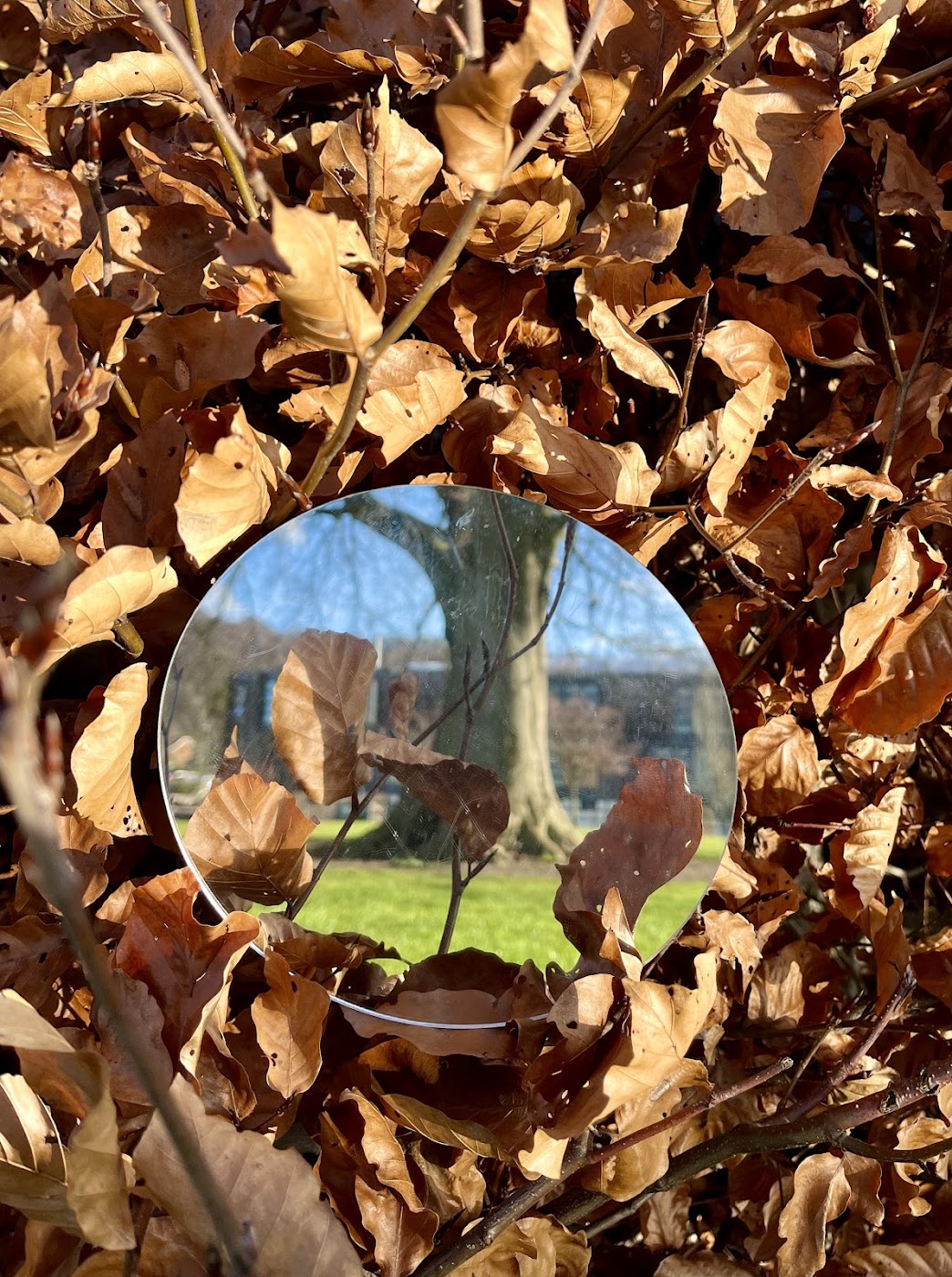
This makes characters entertaining and makes plots interesting. But when I look deeply at it, I’m not sure how enriched these methods are. The main character in Me Before You by JoJo Moyes, for example, is quite charming and we’re rooting for her, but I never felt convinced she was fully rounded. She was given a quirky dress sense and a shockingly sad episode in her background, plus a chatty demeanor. From that assemblage of characteristics, I didn’t feel I understood who she was, if that makes sense.
I come up against this a lot if I think deeply about characters, whether created by successful writers or by myself; whether it’s classic writing from centuries ago, or current. It’s like if you try to remember someone’s face in its entirety, but can only summon eyes and maybe the smile. Or if you look at a word too long and the way the letters fit together ceases to cohere, and you question how they could possibly belong in that absurd order and what business do we have assigning them any meaning in the first place.
I’m not sure we can ever fully round a character, because how can we ever grasp a human being in their fullness, when we are forever developing our understanding of ourselves?
Bursting Bubbles
The best way to fill out our own personalities is to take in diverse perspectives through various forms of media, and then reflect on them. In some ways this is made easy for us because more voices are amplified and represented now. On the other hand, this can feel like an intimidating cacophony, and we retreat into our own corners with people who share our opinions and backgrounds. We risk shallowness.
After a GCSE English lesson this week, my colleague approached me with concerns about a special needs student. ‘It’s…thinking,’ my fellow TA explained. “She avoids any thinking.”
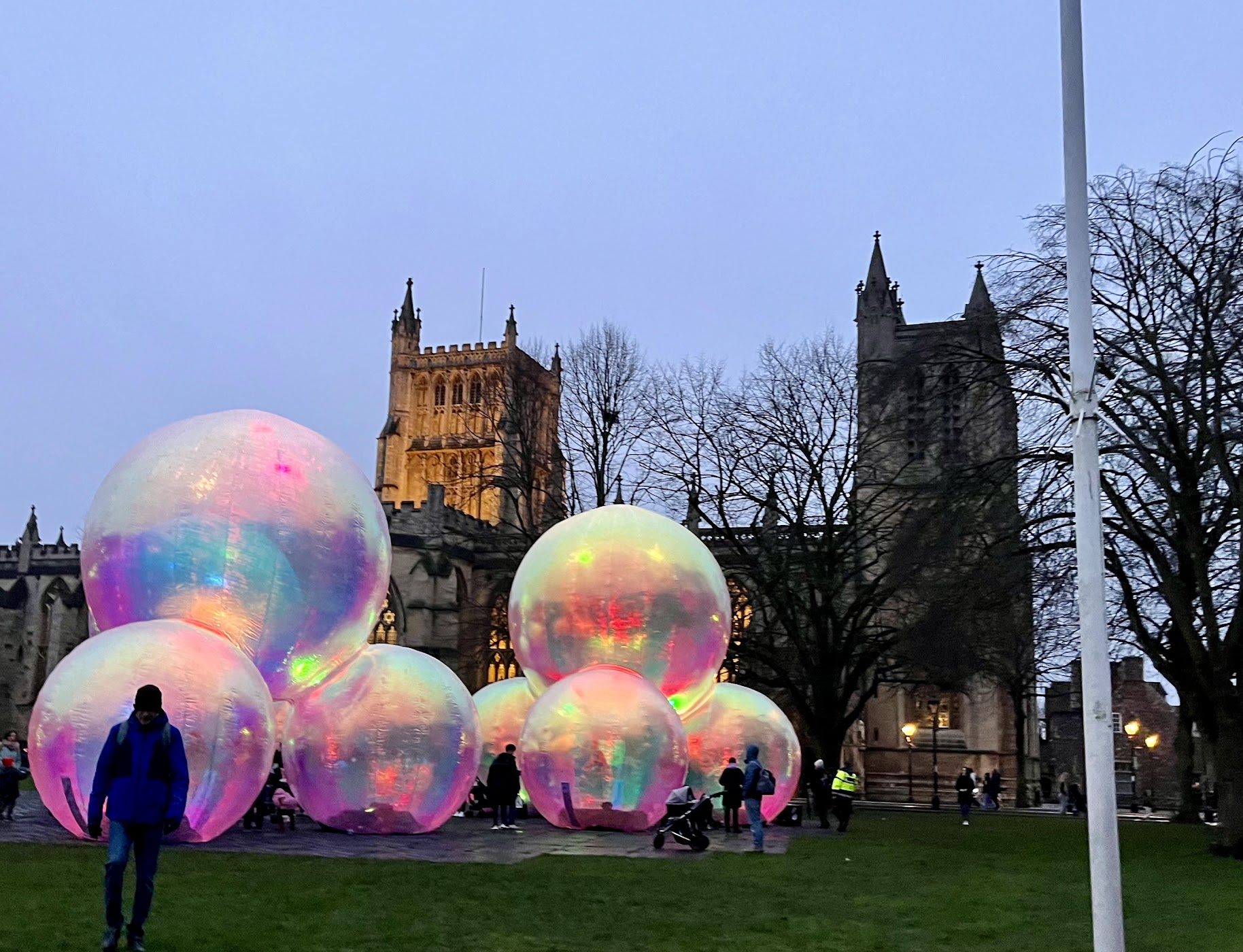
That’s true of a lot of students. True of a lot of people. Watching particularly our year 10 boys, who don’t take anything seriously and won’t accept any responsibility, I suspect they’ve learned this not just online but from their parents.
We hear the phrase “living in a bubble” especially pertaining to social media. However, bubble is an unrealistically soft word for this. Sure, it feels soft and cushioning to us. But we’re actually sharpening our edges when we rub against the same opinions and beliefs again and again. Repeated agreement flattens our character.
One of my projects last month was a short story about Issy, whose teen brother became radicalised online by right-wing misogynists, so she runs away and hides out in the Charles Dickens Museum. She reads his classics and observes tourists and sometimes reflects on how one-dimensional everyone seems “these days.”
While creating Issy’s story, I explored with her the idea of flat versus rounded characters. Throughout human history, most have been forced to focus almost exclusively on survival. Even in the ever-so-civilised British Empire when Dickens wrote, thousands were starving and neglected; disease and dismal sanitation conditions were rampant. How many had the privilege of being well-rounded?
So it’s important we use our relative privilege to expand our horizons, and I guess sometimes that means not judging so harshly when people seem narrow-minded or flat. In fiction, though, I will continue to ponder what really makes a well-rounded character. How would you define it?