Summoning Enthusiasm

This Week’s Bit of String: A snail on the school path

Hurrying to work early on Friday, before the whole student population returned for the first time, I saw a snail on the pavement. It was a not unpleasant, if snotty, shade of green, and working its way across the path.

I veered around it and we both continued at our different paces and directions. I hoped it would make it to the relative safety of the rosy hedge before torrents of young people poured forth.

And I imagined a Sliding Doors moment for a student coming back to school, maybe an adolescent boy on his first day of a new school year. He’s walking with his friends, everyone talking tough. He has a choice: he can hop away from them for a second to avoid crushing the snail, or he can obliterate it beneath his black school shoe, and perhaps boast about his conquest.

Maybe his friends are already playing Grand Theft Auto and other violent games which he isn’t allowed to play or which his family can’t afford. Maybe they all went on adventurous holidays over the summer and he was caring for a sick parent or grandparent. His choice regarding the snail could impact his reputation and his self-image and alter his entire first day, thereby affecting the year ahead.

I’m probably not going to write this story. Two short stories I’m currently working on, nearing submission level, deal with adolescent choices and to an extent, the culture of toxic masculinity, although one of my pieces is mainly about an adult sibling dealing with the fallout. And it’s kind of enough dealing with it at school.

Poor Choices

Besides, projecting this choice onto a character and bringing in a hot topic detracts from my own personal responsibility. Why didn’t I stop for a moment and move the snail to safety?

I was in a rush because I needed to sort some issues for a struggling student. But the flexibility to pause and act on observations regarding others in need, that’s essential too. What does my failure say about me as a teaching assistant? What does it say about my writing, am I making things up to deflect truths or to reveal them?
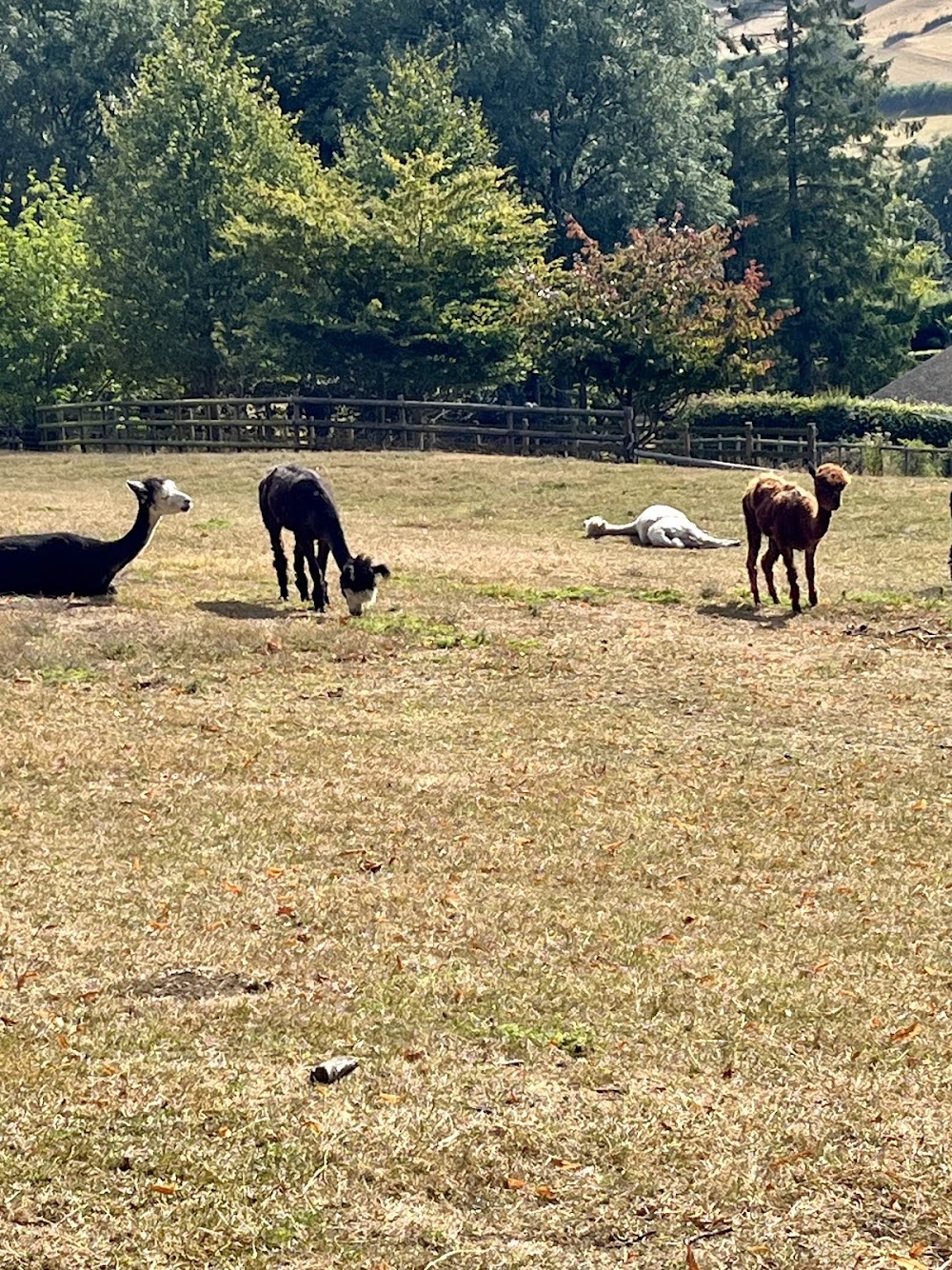
There were a few times this summer when I was about the speed of the white alpaca. Seen on a Cotswolds wander.

Since I’m being candid, I’ve been dissatisfied with a few of my choices lately. I always plan ahead, pace out the writing requirements among everything else. School holidays are meant to be quite writing-focused, although they do generally require a fair bit of housework and gardening. With our kiddo’s wedding and my parents’ move over the summer, I meant to get ahead with my writing goals, and I almost did… but that of course coincided with the hot, tiring end of term.

I found it was nice sometimes to just sit and watch a Pixar film or something. When I came back from the US and had a few days before school started again, I did some editing and the requisite housecleaning and preserving and cooking, but I didn’t write much new. I spent some intensive hours working on a jigsaw instead. And goshdarnit, I enjoyed that.

Hyperdrive to Hyperspace

Again, I was conscious of my shortcomings. Leisure time is downright dangerous. I give myself an inch, I’m at risk of taking a mile. And now school has begun with its rush, and for the first 2 days I didn’t even have time for a treadmill session, let alone working on my novel or a story.

But the panic of time slipping away might just be kicking me into gear. On Saturday I edited another story, did a critique, wrote this blog post half while in the car to have a farmer’s market hike with my husband, and added 500 words to the novel I haven’t worked on since May. It feels good.

Constraints on my schedule can force me to utilise my time better. Additionally, even while it can exhaust me, work does inspire me.
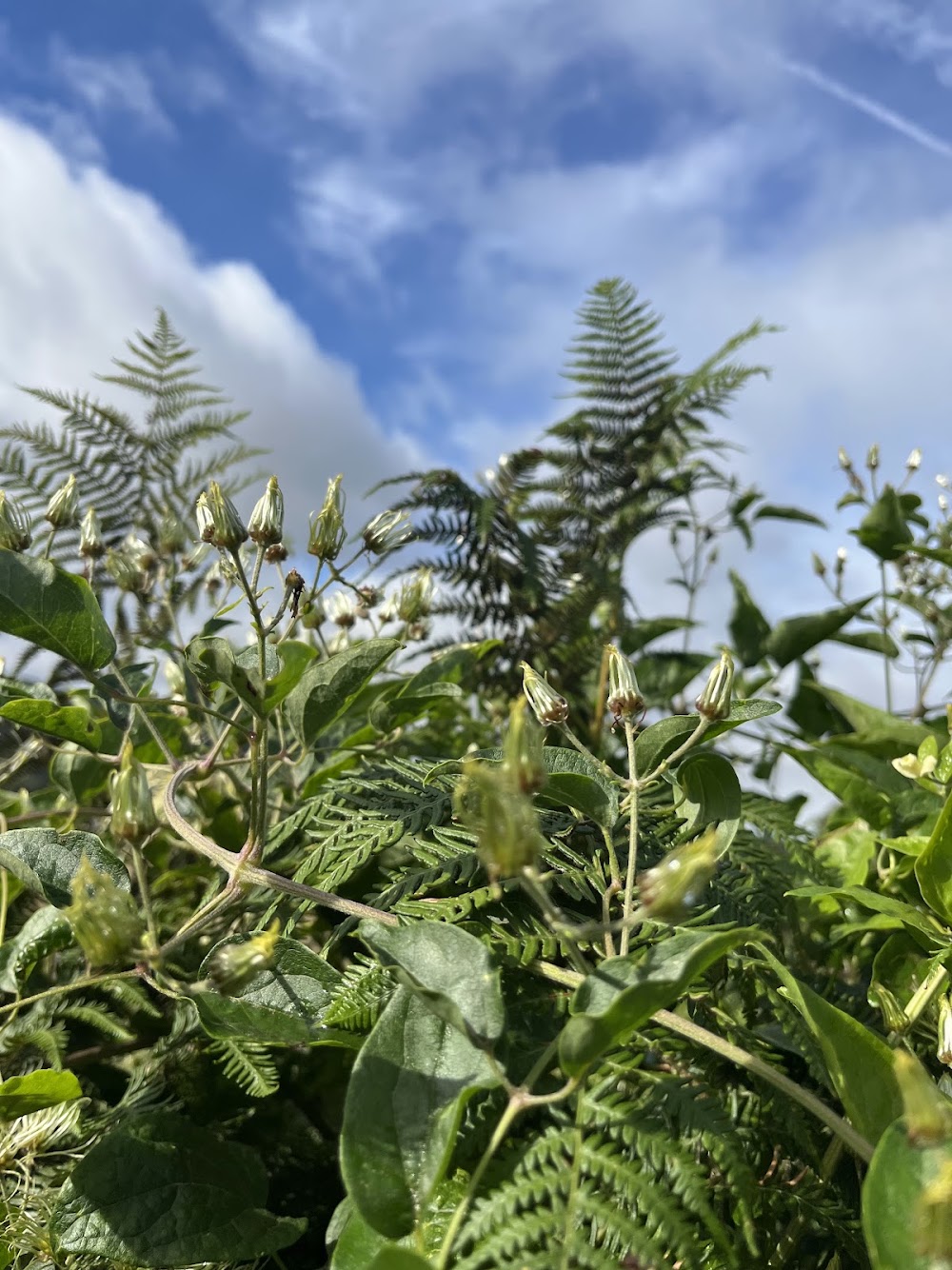
Having time outside helps everything, too.

On Thursday I was on hand for a Year 12 English Literature lesson, and learned that the word enthusiasm comes from the Greek for “being possessed by the gods.” Yes, that’s what I want! As nice as it can feel to spend some time watching movies and doing very little, working with a passion feels amazing.

And I get to see that in my students. In just 2 schooldays I’ve learned so much from a new Year 12 student about Paul Dano films, Riddler incarnations, and applying media theory to a Russian videogame. Meanwhile, a returning Year 10 (now Year 11) boy tried to convince me that vegetables are a government conspiracy.

“Miss,” he chides, with a knowing smirk and twinkling eyes, “you know what the government is like. So if they’re the ones saying vegetables are good for you…”

Back to school can mean long days and stressed nights, but also random rabbit holes and frenzied writing spells. It means constant reminders of other’s humanity, as long as I pause amid the rush and examine what it all means.

What does back to school mean for you? Have you felt “possessed by the gods” about anything lately?
Writers with Day Jobs: Survival Tips

This Week’s Bit of String: Astringent in a contacts case

What’s the craziest thing tiredness made you do? Mine was filling my contact lens case with facial astringent when I worked twelve-hour shifts at a nursing home, and my son was younger. The job I’m starting next week shouldn’t be quite as taxing, but even while employed at the nursing home, I managed to write several stories, including my second Bristol Short Story Prize shortlister.

Last week I wrote about the advantages and disadvantages of writers having day jobs. I alluded to this Huffington Post piece about famous authors and their occupations, noting that these are mostly men.

Steps and stile
Another inspirational photo from the walking commute…

Boldly generalising, I’d say at least in the eras during which these male authors operated, men have been lucky. They would be free as soon as they clocked out of their day jobs for the evening, to shut themselves in their mysteriously cleaned home offices while meals appeared magically before them and their offspring were entertained elsewhere. Not necessarily the case for women.

It’s different in many households now, but in mine I am still principally responsible for housework and offspring management, for a variety of reasons (the time it would take to change that, for example). But this means I’m used to planning far ahead, and juggling various commitments. In a way, women have unique experience at making do.

From across the ocean, my mum worries over the phone as I prepare to reenter full-time work, ‘I’m afraid you won’t have time to write.’

I dismiss her kind concern. ‘No, no, it’s fine. I’ll figure it out.’

But how?

‘Why do you write like you’re running out of time?’

I brought up the subject on Twitter, and my main respondents about writers with day jobs were women. Freya Morris recommends lots of caffeine and offered tough but necessary talk. ‘Friends and family take the hit. But I chose my priorities. Writing first. Mostly.’ She also notes that full-time work makes it difficult to carry out the required ‘immersion’ for bigger projects like novels.

Ríona Judge McCormack just quit her job for a temporary writing break, since she felt split in two by her paid work and her need to create. She details her decision, a rather appealing strategy, on her blog.

It was lovely, too, to hear from Poppy O’Neill, who works part time in a job that is apparently stress-free! Having a flexible schedule and minimal work baggage helps her get writing done, not surprisingly.

Finally, some thoughts from Emily Royal, who also works full-time but utilises ‘snatched, focused writing bursts—’ I love that phrase—and of course, self-discipline.

‘You get nothing if you wait for it, wait for it, wait…’

My tips as I prepare myself for the transition from 20 weekly working hours to 37.5:

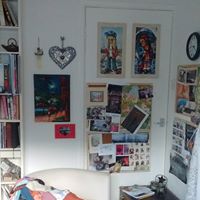
Writing nook
My writing corner, in the laundry room since I’m there so often anyway.

Notebooks: Always keep one handy. I have one on each floor of my house, plus one that travels. My TA planners from when I worked in a secondary school are crisscrossed with scribbled threads. This keeps those interesting observations, those bits of string, from blowing away in a busy whirlwind.

Tiredness: Use it. If I come home from work and my brain feels too fried to write, I do housework instead. It takes a lot less mental energy to clean, cook, and iron, than to create, and this way I’ve got those pesky chores done so I can sit and write early the next morning. If I’m too tired even to clean, I read. That counts as work for writers!

Music and Images: Use visual and musical aides representing your work-in-progress to switch on that elusive immersion. While walking home from work, I listen to songs echoing my characters’ feelings so I can dive into them once I’ve got the chance. I also have a writing corner stocked with images to keep me in the right mindset. Lately, the Hamilton soundtrack keeps me fired up, as evidenced in the sub-headings.

Routine: Obviously. We need to keep good habits. Just as our working hours are fairly inflexible, we need to brutally delineate writing times and stick to them. I’m not saying it’s easy. But often, neither are our jobs and we do them anyway. I’m hoping if I sit down in my self-assigned writing time having perhaps already jotted down thoughts and plans in my notebook while out of the house, completed household tasks the previous night, and maybe got my brain going with some carefully selected songs and pictures, I might be able to keep up.

Next week, I will conclude this series on Working Writers (for now) with a farewell to the post office, featuring various bits of string I’ve gathered there and at previous jobs.