The Whole Story, and Nothing But the Story

This Week’s Bit of String: A swimmer’s happiness

Once I was at the town pool when a group of adults with learning difficulties were brought for a swim. A young man stood in the shallow end, his fingers prancing over the waist-high surface of the water, and declared, ‘I am EXACTLY happy. Right now, I am exactly happy.’
One like graffiti
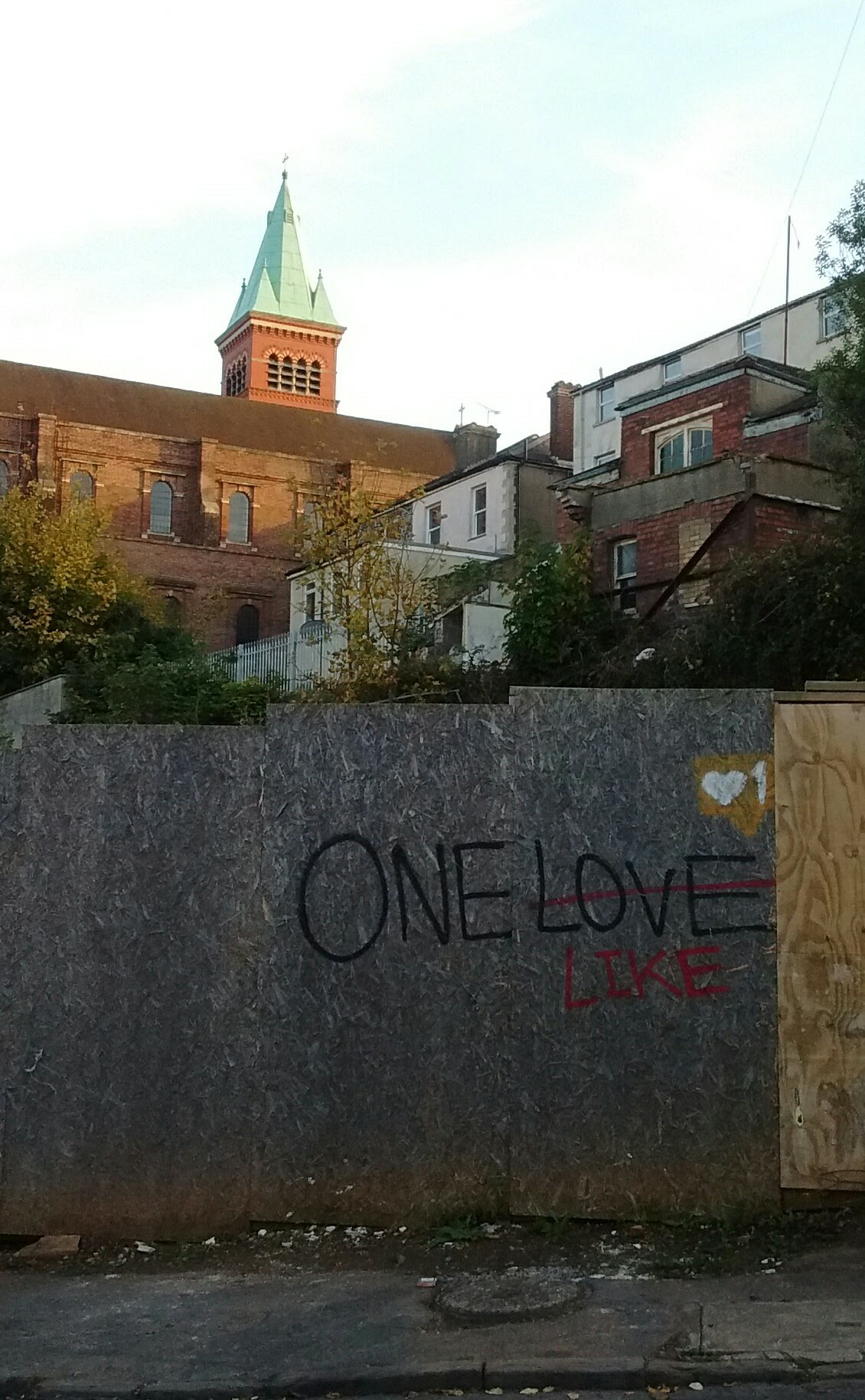
Let’s not overstate things. One like will do. (Graffiti in Bristol)

His words have stayed with me for years. In literature, though, no self-respecting author would allow a character to be so straightforward. We’re supposed to give readers evidence of emotion, not outright testimony. Show, don’t tell. Leave something to the imagination. But how much?

Last week I lamented the heavy-handedness, the lack of nuance, in a couple of pieces deemed ‘Literature’ by the GCSE exam board. As I researched that post, I found articles both advocating and opposing subtlety, which I’ve continued to explore this week.

How hidden should messages and motives be in literature?

In Defence of Subtlety

Iconic writers from the post-modern to contemporary age favour rendering the author invisible in his or her own work. Ernest Hemingway described his Theory of Omission in the 1930s, insisting writers leave out as much of their own experience as possible. John McPhee summed the theory up for the New Yorker: ‘Let the reader have the experience. Leave judgment in the eye of the beholder.’

Why? Joanna Scott, in a comprehensive piece for The Nation last summer, rounded up critics and authors to extol ‘The Virtues of Difficult Fiction.’ I particularly liked her quotes from David Mikics, who’s written a book called Slow Reading in a Hurried Age. He praised the ‘tactile and palpable
sense of a material object being worked on,’ explaining that reading challenging texts not only exercises creativity and patience, but also nurtures a love for the versatility of words and the layering of meaning.
butterfly-window-reflection
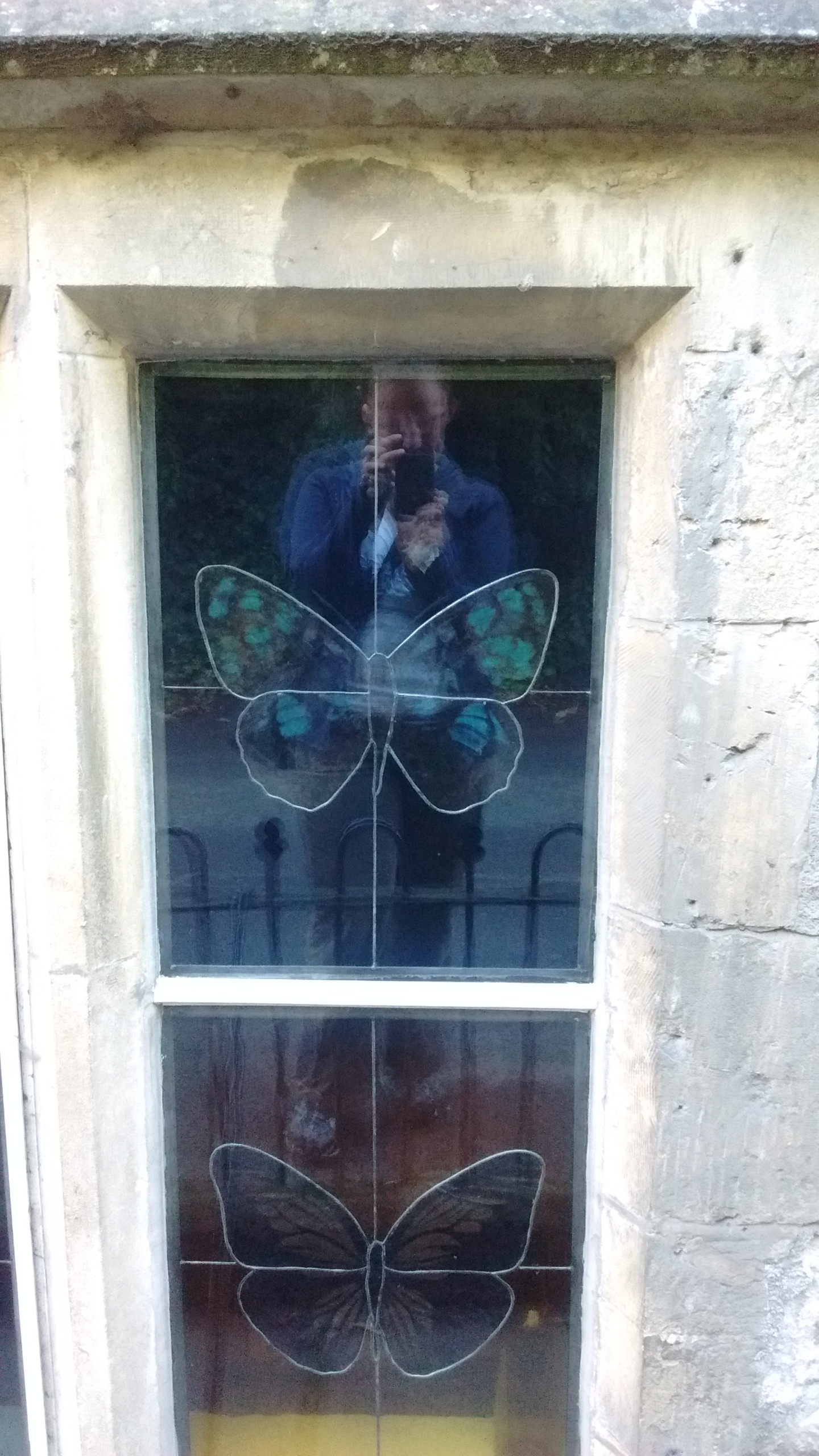
Honestly, who wants to see the photographer’s reflection? Butterfly window in Chalford, Gloucestershire

The word subtle itself, I discovered, is rooted in the Latin term for finely textured, just as the modern word text is derived from the Latin term texere; to weave. A text is meant, then, to have various components intermingling. It’s meant to be a challenge to take apart.

My characters often don’t say precisely what they feel, because how often do we in real life? I use dialogue, and try to minimise internal commentary, so readers can inhabit the action, watching it unfold. Here’s a scene from Artefacts, between a married couple on what becomes a climactic morning:

‘Where’s the peanut butter?’

‘In the top left cupboard.’

Mike opened a door. ‘It’s just dishes in here.’

She cleared her throat. ‘That’s the, um, right one.’

‘No,’ he snapped. ‘It’s my right, but it’s the cupboards’ left.’

‘Yes…the peanut butter is in the cupboard on your left.’

So it was. Mike set it on the counter with a bang. ‘That’s the opposite of what you said a minute ago. It’s like the difference between saying “Stage left” and “to the left of the audience.” You should know that.’ He spread peanut butter onto his toast with such vigour the surface cracked.

She handed him his trousers without looking at him. ‘Hasn’t anyone ever told you to look in a left or right anything before, or has your entire life been on a stage?’

Against Subtlety

There are other things to learn from reading, however, apart from interpretive skills and quiet resilience. I wrote a couple weeks ago about books that have changed my thinking, and those haven’t always been subtle (although certainly well-written and multi-layered).

Slate editor Forrest Wickman wrote a thorough piece Against Subtlety: The Case for Heavy-Handedness in Art, pointing out that our obsession with ‘highbrow,’ subtle literature stems from elitist ideas at the start of the twentieth century. He cited DH Lawrence writing: ‘There should be again a body of esoteric doctrine, defended from the herd. The herd will destroy everything.’ Much of art that has affected change, Wickman argued, is not coy or cryptic. It’s communicating a clear message: Something has to give!
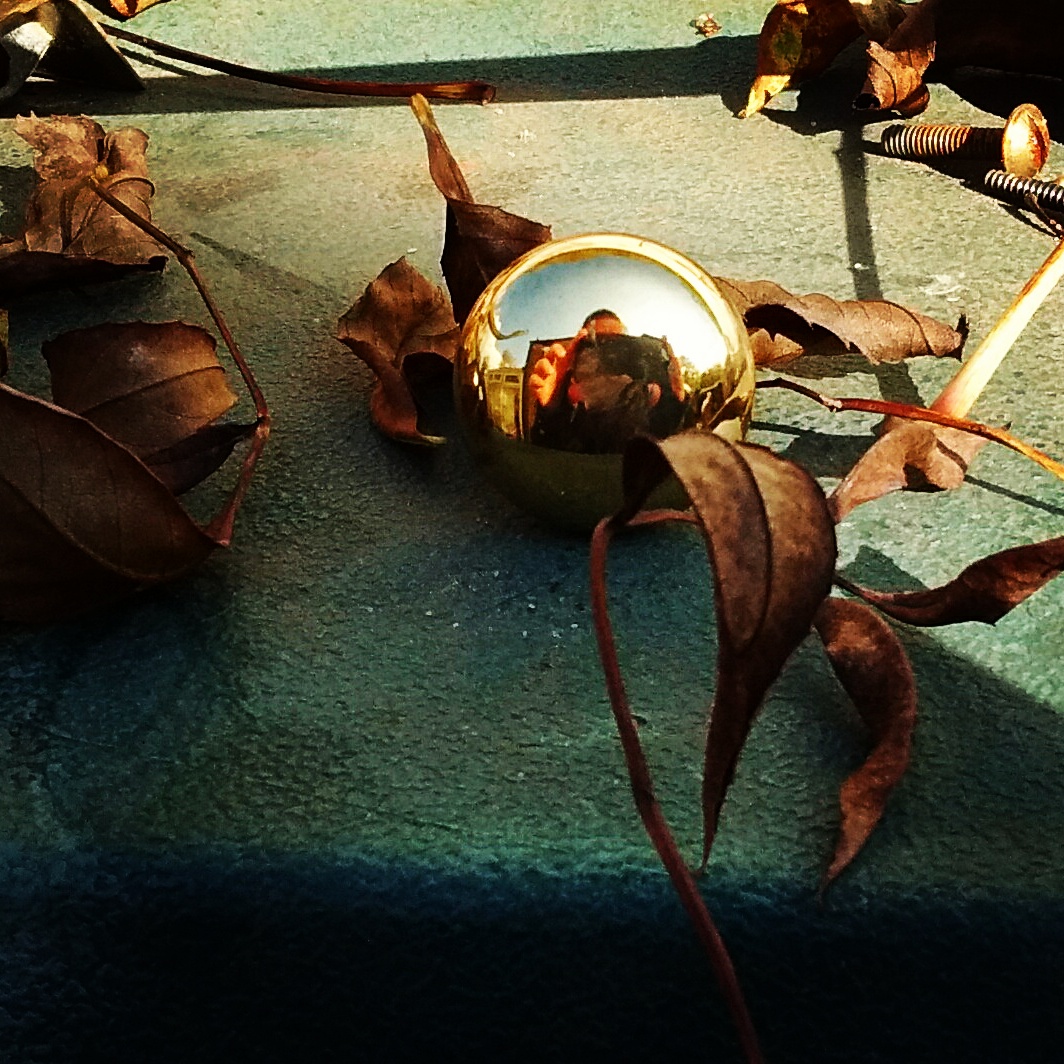
brass-handle-reflection
There’s always some reflection…

He has a point. Why let a character speak up if you don’t let them say what they think really happened?

Last week, Helen Marten won the Turner Prize for her art, ‘labyrinthine works’ which critics have compared favourably to puzzles, while also praising ‘the emotionally provocative nature’ of her pieces. Earlier this year, Bob Dylan won the Nobel Peace Prize for Literature. His lyrics are sometimes obscure, but his perhaps most memorable song, Blowing in the Wind, poses very blunt, if beautifully phrased, questions about what the hell human beings allow to happen to each other. So balance and juxtaposition are allowed, and perhaps should be encouraged.

I like giving my brain a workout on big, tricky books. Characters don’t have to be sympathetic to intrigue me. But I expect to understand them better as the story unfolds. Any story is a character’s journey from one state of mind to another, and I want to accompany them, if not in their pocket, then at least in a neighbouring vehicle or a surveillance helicopter. And often, as we travel through a story, what starts as subtle and composed may begin to fray as the stakes get higher, and emotions may bleed through more strongly. Those shouldn’t repel us; they should draw us in even more.

After all, just because that one man in the swimming pool stated his feelings clearly, I never lost interest. I still wonder about him. Did he measure all his feelings in precise percentages? Was it a coping mechanism, or part of his genetic makeup? Were there things that made him exactly angry, or exactly sad?

There are always more layers. Always more questions.

GCSE Curriculum: Is It Literature?

This Week’s Bit of String: A Student’s Holiday Mix-Up

‘Miss, aren’t you excited about Christmas? Remember, Jesus died then!’

It was one of those teaching moments when you need Rewind and Slow Down buttons. ‘You mean He died just before Easter,’ I said.

‘No, He was born at Easter; that’s why there’s eggs everywhere, and baby animals. We celebrate Him getting killed at Christmas, by hanging stuff on trees.’

My student, in his first GCSE year at the time, had misinterpreted these symbols and traditions. But he legitimised it with evidence.

The real reason dinosaurs went extinct...
There’s a sign like this in our school library.

These days we hear of fake news, false equivalency, and other such ‘post-truth’ terms. Dangerous as those are in the political realm, the literary world has operated on a somewhat post-truth basis for some time—with the essential caveat that you cite passages to support your claims.

Evidence-gathering and interpretation are essential skills we get from studying literature. Interpreting characters’ motives, which builds empathy and social skills; plus interpreting the culture and time period the author belongs to.

In the UK, Year 10 and 11 students (aged 14-16) must earn a General Certificate of Secondary Education in Literature. The national exam board offers a limited range of literary works for students to be tested on: one of six selected Shakespeare plays, one of seven nineteenth century novels, one of twelve dramas or novels written since 1914 (by British authors only), and one themed ‘cluster’ of fifteen poems. Adolescents spend two years studying these four works, and then take the exam.

The list of literature options changed controversially two years ago, dropping American classics such as Of Mice and Men, and To Kill a Mockingbird. After the fuss kicked up over the changes, do the remaining options qualify as literature?

Interpreting Characters
school-bathroom-graffiti-spoilers
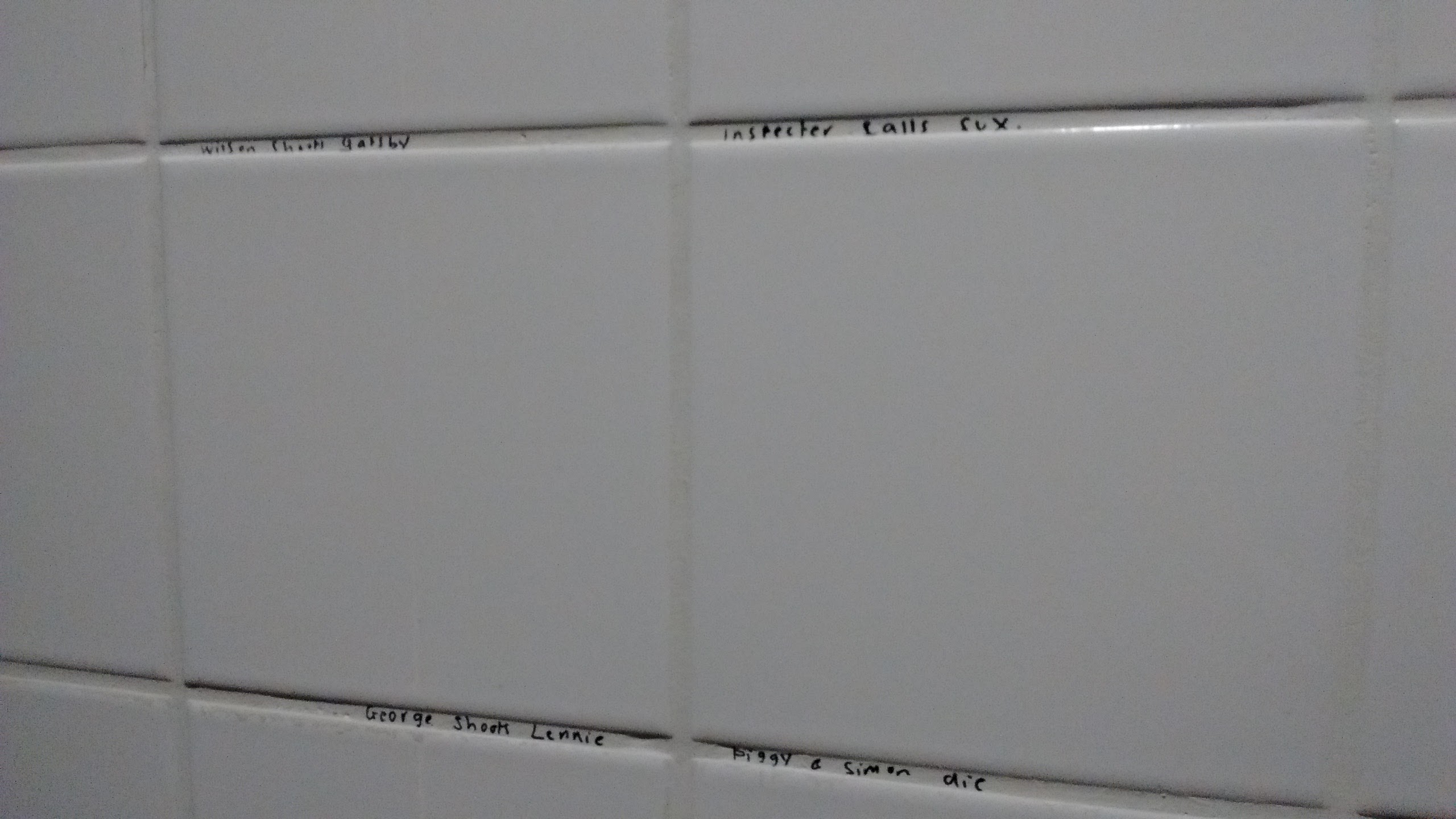
Found in the girls’ toilet in the Art/English corridor. ‘George shoots Lennie.’ ‘Piggy and Simon die…’

To me, several of the GCSE offerings lack character depth. I haven’t read all of them, and I don’t dislike any of them. I’m just not sure they’re literature. An Inspector Calls and Blood Brothers share upper class villains, while several other books such as Animal Farm, Lord of the Flies, and Dr. Jekyll and Mr. Hyde have quite clear-cut ones as well. Scrooge and Mr. Darcy undergo transformations, but their paths are quite obvious. There’s not a lot of mystery on why they change; students need do no serious detective work to examine it.

The most interesting characters are probably the plethora of bystanders and enablers in these tales: Mr. Bennett neither humouring nor challenging his wife’s ridiculous behaviour and Mrs. Lintott apparently looking the other way regarding her beloved co-worker’s paedophilic tendencies; the animal subjects of Animal Farm and the other boys on the Lord of the Flies Island.

Probing the motives of those who get caught in the action and end up almost unwittingly serving as catalysts is particularly relevant today, as far-right factions take hold in more governments. What drives a Macbeth and a Dr. Frankenstein? Let’s hope the exam board will encourage that sort of discussion.

Interpreting Culture and History

I don’t think Americans are going to suffer for no longer being represented in the GCSE curriculum; we’re not exactly a silent, repressed minority. The requirements for modern literature include stories by second-generation immigrants, and some about immigrants, too, plus Curious Incident, about a boy on the autism spectrum. And there are plenty of plots that highlight (sometimes glaringly, as in the aforementioned Inspector Calls and Blood Brothers) issues surrounding class and socioeconomic status.

It’s a decent start. Each one has its own argument to pick with the world, as I previously noted Salmon Rushdie said books must do. Each one attempts to harrow us a little bit, with various degrees of effectiveness.

books-fight
Spotted in an alley in Lewes. That’s right: books fight.

Teacher Tom Payne, writing in The Telegraph (which also, being The Telegraph, gave Conservative then-Minister of Education an opportunity to defend the changes in literature choices), raised this concern: ‘does this [rule that post-1914 literature studied must originate from the British Isles] mean that the question of Britain and its former empire has to be examined from the perspective of these islands? After all, much of the best literature on the subject comes from the lands Britain colonised: the Empire writes back.’
This is a good point. The removal of OMAM and TKAM disappointed me because I’d seen white students infatuated with the ‘n-word.’ Often, their perspectives matured after reading Of Mice and Men, as they realised the actual conditions from which the word derived its power; the threat and malice behind it. It’s important to keep those issues present in the literature we teach adolescents, because recognising others’ suffering, often at the hands of our own governments and even at benefit to ourselves, is an essential argument to keep putting before the world. And as fake news proliferates, the classics set a standard for us that’s not easily misinterpreted.