This Week’s Bit of String: A heart-wrenching question
In a back corner of the school library, I’ve begun daily reading sessions with one of our Year 10 SEN boys. There are multiple clues in the book he’s reading that the narrator has autism. I asked him what he noticed about that, and he responded by asking what autism means.
Then he asked, “Does that disability help them get good grades?”
He is very concerned with criteria of success. He considers career paths based on how much money they might provide. And he assesses circumstances by how they might affect one’s grades and prospects.
He worried, “Do I have a disability? Or am I just stupid?”
It’s heartbreaking to see students who, despite various strengths, feel so defined by their struggles that they long for the justification a diagnosis provides.
Judging a Book by Its Genre
Labels are useful because they give our brains an easy path to follow. We think, “Ah, something is this, therefore I know what to do with it.”
If a student has learning difficulties, we might provide literacy and numeracy support. If someone is neurodivergent, we’ll ensure they have spaces available to re-regulate when routine is disrupted.
Book publishers and, one assumes, readers alike appreciate genre labels because they give us an inkling what to expect. Is the read going to be gritty or cosy? Genres can help with that.
Labels can be limiting too, though. That happens for students with disabilities and in a more minor way, can happen with books. We tell ourselves we’d never dream of reading something from that genre.
Since I’m in a couple of critique groups, I send work to different writers every month or two. I read all sorts of pieces that come to me, and I comb through each with a view toward maximising potential, and provide detailed feedback. But every now and then, I receive a comment on my work saying, “I don’t usually read this genre, so I can’t comment.”
This happens to the opening of my novel retelling the Creation myth from Eve’s point of view. I think of it as Commercial Fiction, a sort of catch-all. Madeline Miller’s Circe was a massive hit after all, Disney has been re-filming the Percy Jackson series, Margaret Atwood and AS Byatt and Stephen Fry have all retold myths with great success.
But maybe some people dismiss it immediately as fantasy, or women’s fiction. I should work up my courage and ask the next person, “What genre do you think it is, exactly?”
“What Do I Have?”
Somewhat like my student anxiously asking, “What do I have?” while I showed him his EHCP to explain that he’s not, in fact, stupid, I do rather wish someone could just tell me what genre my book is instead of me trying to work it out. When querying agents, there’s no room for a mistake; they won’t give you a second chance.
But it is a bit rubbish, the genre system. Lots of books combine elements. Last week, I participated in the Women Writers Network discussion on women writers who blend genres, while this week, I’ve interviewed Lindz McLeod. She’s an incredibly hard-working writer covering speculative fiction, short stories tinged with horror, and also dabbling in retelling versions of Jane Austen. Truly, her imagination seems limitless and her appeal should be, too.
Stephen King has said that every book is a mystery. I agree with that. And even books without romance have relationships.
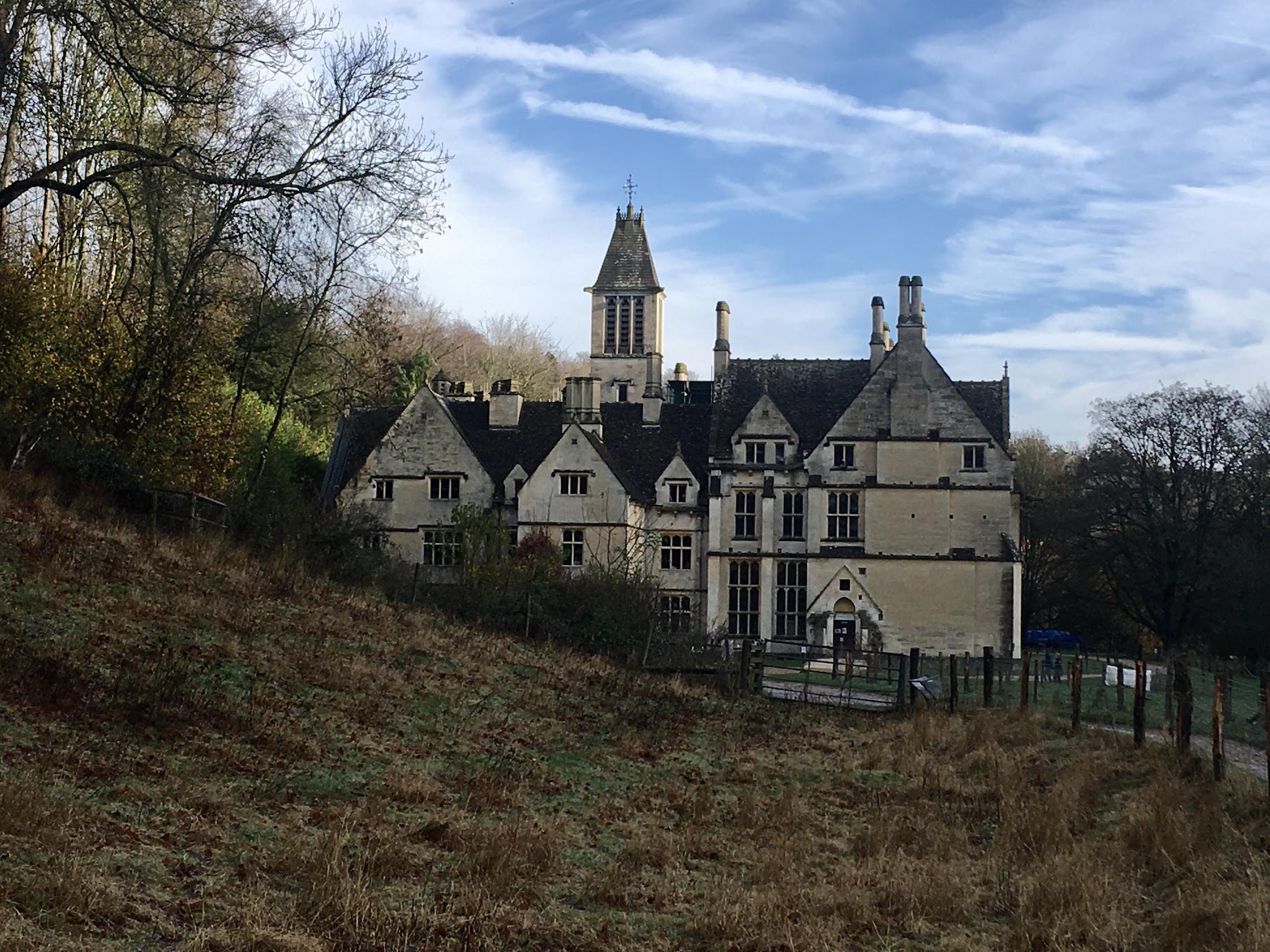
After my busy Easter break with the emotional roller coaster of traveling to the US and back, I returned to work. During the first couple weeks, I had a few writing commitments including the interview, while at my day job we gear up toward GCSE exams. I needed a fun and “easy” read so I picked a Milly Johnson book out of my TBR shelf. Her books are classed as Romantic Fiction so I hadn’t gone out of my way to read one before.
The Perfectly Imperfect Woman was the perfect read for me that week. A rollicking pace; clever, piquant descriptions; a well-rounded, super-relatable protagonist more on a journey to come to terms with a torturous past than to find romance. Oh, and there was cheesecake, and great big mysterious manor houses. There were multitudes contained within the genre label.
The idea of being “perfectly imperfect” is resonant to many of us, I suspect, and it’s the kind of attitude I want to foster in students. While understanding there will always be struggles, to work out the purposes worth struggling for, and the right support.
Do you have any theories or assumptions about genre fiction? What’s a book that impressed you from a genre you don’t usually read?