The Deal-Breaker

This Week’s Bit of String: An empowering walk to work

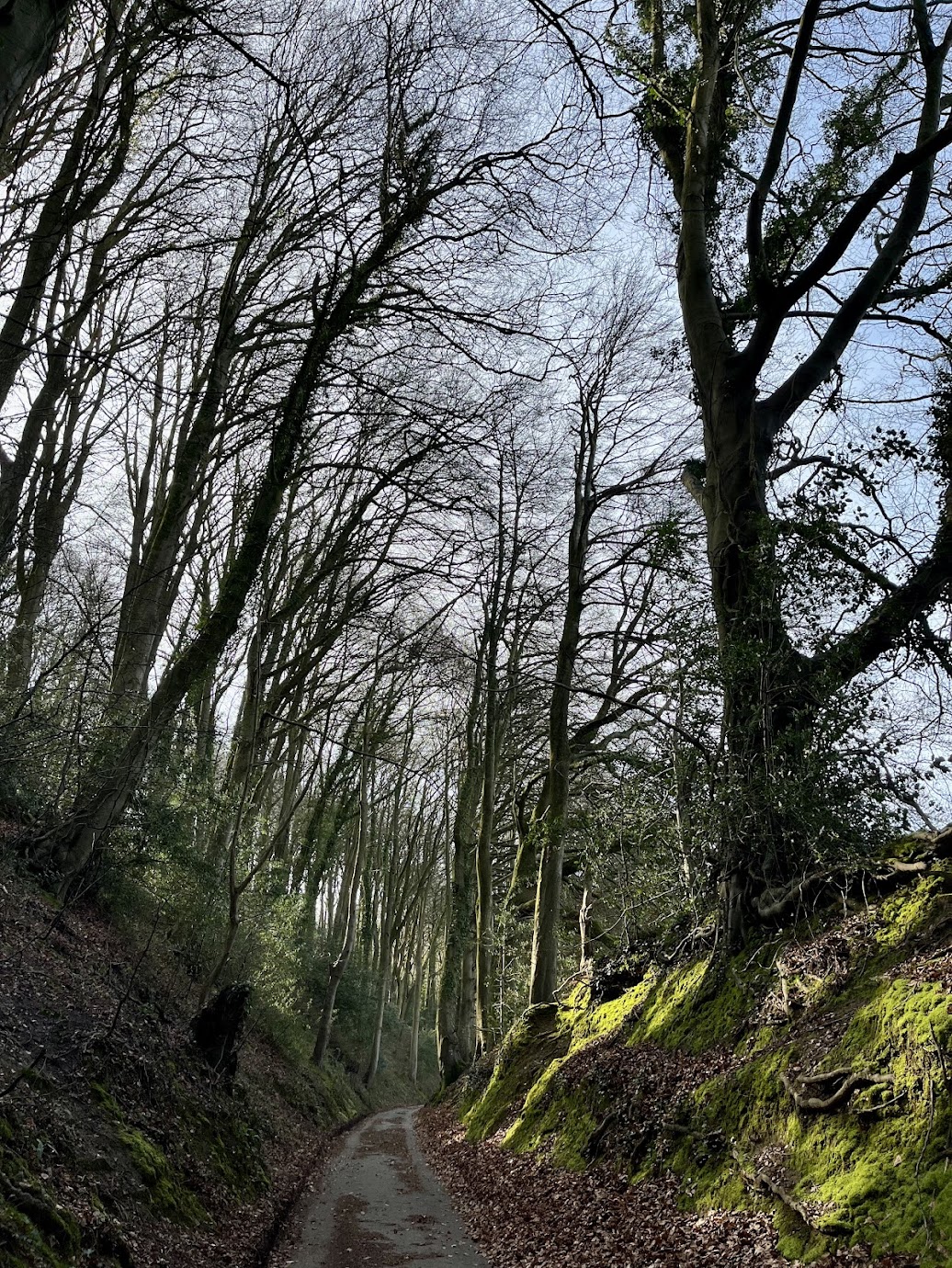
After a not-entirely-fun Bank Holiday weekend, I set off to work Tuesday morning with a mix of Mika, sea shanties, and Noah Kahan playing on my earbuds.

Exams start in less than a week, equating to hours of sitting next to my SEN student while she attempts to answer papers designed for only half the population to pass. In a month, my parents will move out of their home after 37 years, a huge task which I can’t help with from overseas, but in my house I’m clearing out my son’s things and some of my own. During the long weekend, I spent hours going through school notebooks, birthday cards, crafts, story drafts, sheet music, and a few tiny little outfits and stuffed toys. I feel wrung-out.
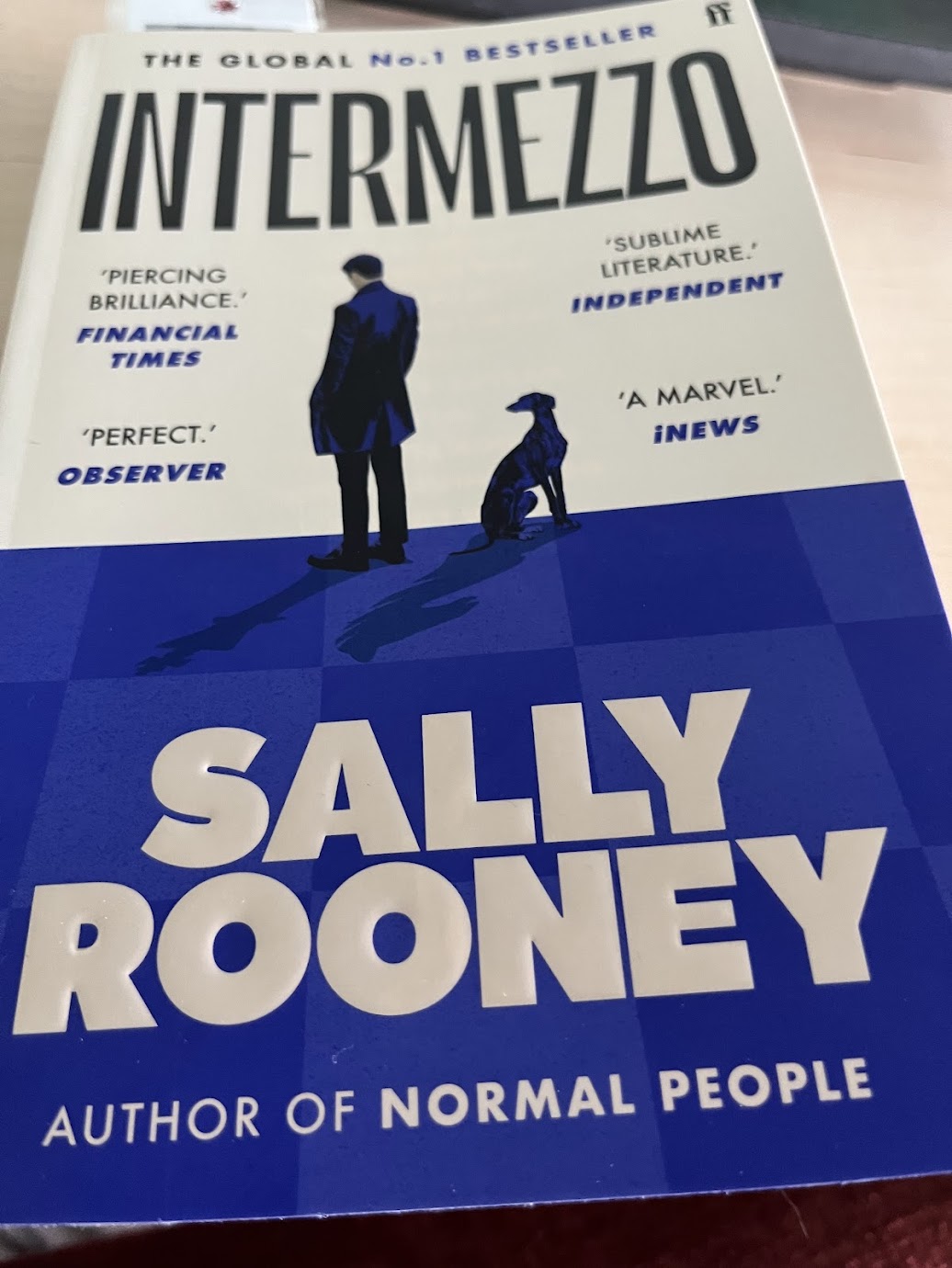
The offending novel

I’m also doing lots of agent research, and the book I started over the weekend, Sally Rooney’s Intermezzo, was not proving enjoyable. I’ve heard her name a lot, and literary agents mention her. 

But this book is full of dense, page-long paragraphs cataloging every thought the characters have, and the minute actions of their daily routines. Also the characters are of the relatively privileged, but miserable ilk. 

While I walked to work that morning, I thought: What if I just didn’t read the remaining 300 pages of Intermezzo?

And I knew it was the right choice because beyond relief, I felt liberated (which is hopefully how I will also feel, instead of mournful, when boxes of Bear’s old things go to the charity shops). I felt MIGHTY.

There’s a lot I can’t control. But I AM a loving mother who’s just recycled half her precious child’s finger paintings and 95% of their schoolwork. I frequently scythe through passages of my short stories and chapters of novels to make them more readable. I am capable of ruthlessness and this was an opportune, low-risk situation in which to wield it.

A Rare Relinquishment

I’ve only left one unfinished book in recent years, and that was Murikami’s The Wind-Up Bird Chronicles. It had one of those male narrators who thinks everything is about sex and all girls want to sleep with him. Not a lot seemed to be happening, and I decided to use my time better. 
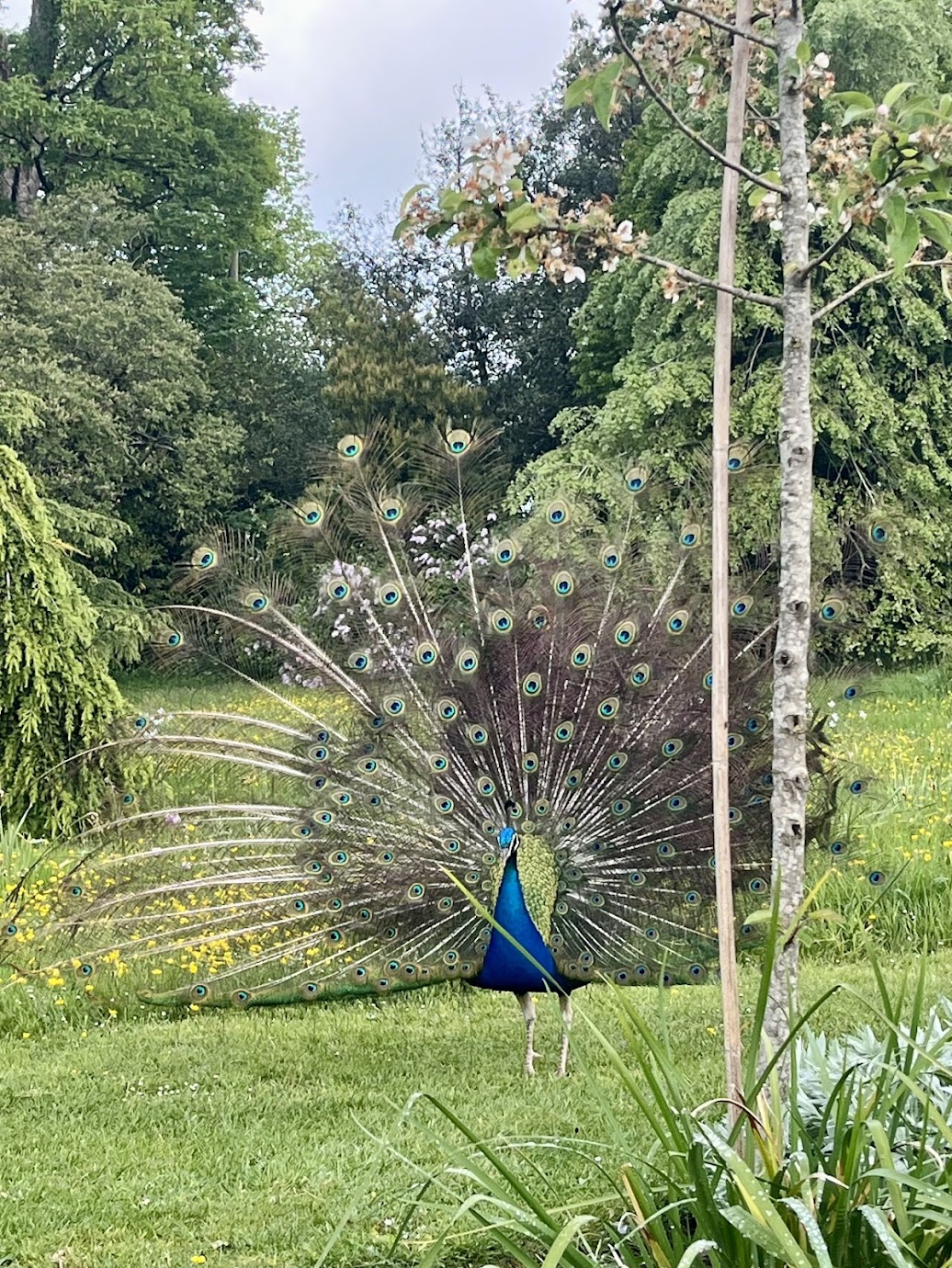
Is this the sort of display that will impress an agent?

During my education, I read plenty of classics and plenty of books about unfortunate souls. From Hawthorne’s the Scarlet Letter and Bronte’s Jane Eyre, to James Joyce’s Dubliners and Kafka’s entire oeuvre, I put in the time and have relished the majority of those works. 

But here I am, looking through agents’ requirements and all the preachy advice. At every step, writers are told to “Show, don’t tell” and to cut everything not indispensable to the plot. Where then does Ms. Rooney come off narrating (through her prematurely midlife-crisisy characters) every single thought in these interminable paragraphs with no differentiation for dialogue?

Nope, I was done. A couple weeks ago, I read a fun “romantic” genre novel to enjoy myself, and there are plenty of literary books I can enjoy too. If they, you know, have a plot heading somewhere at a decent pace

Part of the Job

My target is to read 3 books this month, and I still can fit them in. After my fateful decision on my walk to work, and then the manic workday, I visited the town library and checked out an Anne Tyler novel. I’ve loved what I read of her before. She’s brilliant at “showing.” She’ll describe a character’s physical appearance in a pithy way that reveals their life philosophy as well. Yes, sometimes in her books she’ll walk you through each step of a protagonist’s actions as they execute a task, but she’ll do it in a revealing way. There’s a Raymond Carver-esque quality to it. 

It’s also useful for me to read another Anne Tyler novel because I have been citing her family sagas as a comparison title to The Gospel of Eve. So, it’s research as well. 
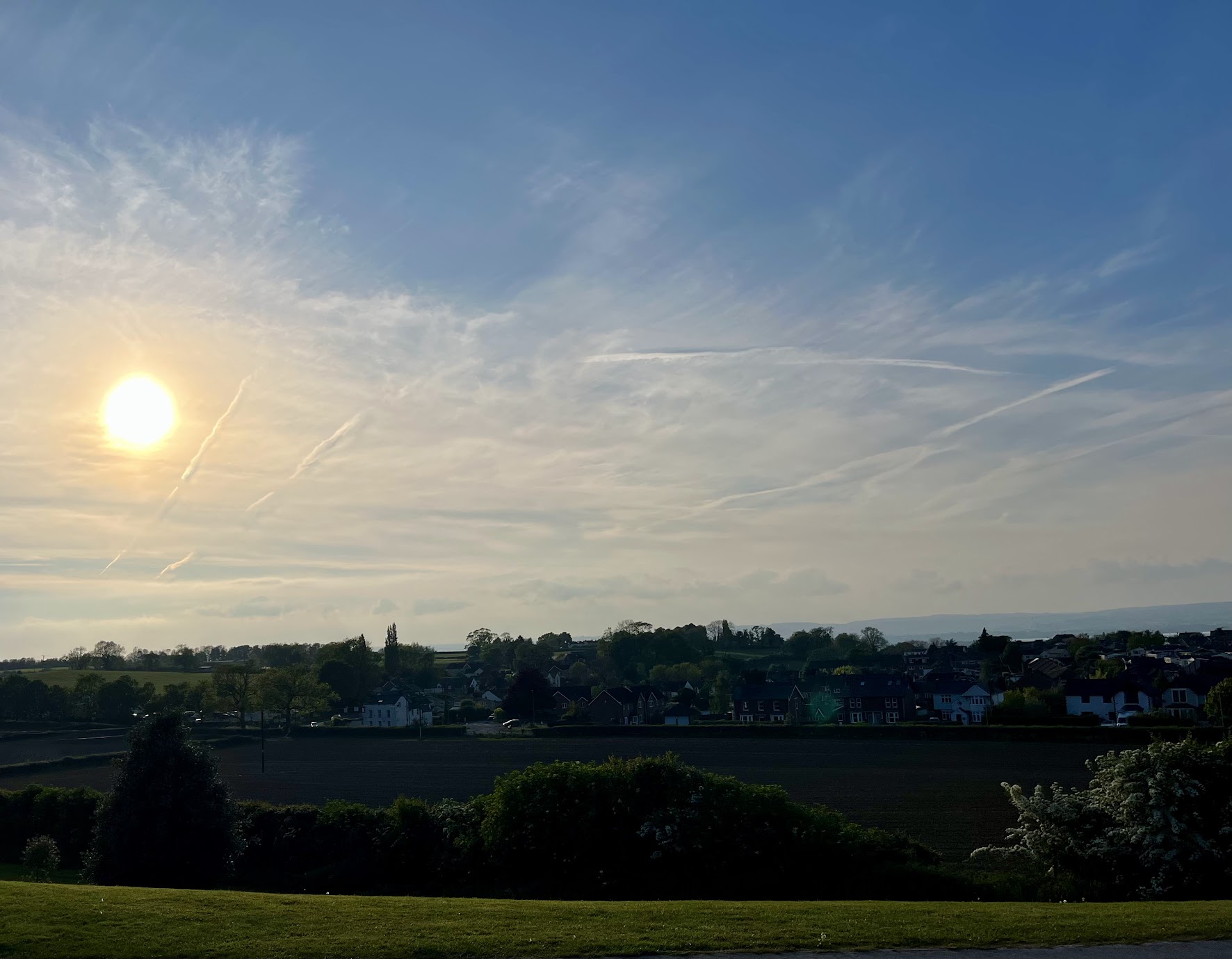
The great bit of the long weekend: we celebrated our 22nd anniversary with an evening walk to a local garden centre to eat pasties, drink ciders, and listen to live music.

There’s no doubt that reading is an important part of a writer’s work. It’s good for everyone to read a range of stories, but at more taxing stages in our lives/ creative endeavours, it’s best perhaps if reading doesn’t feel like a chore. 

As fatigue accumulates and I feel often on the verge of tears, I’m working on fewer writing projects at a time to focus on querying, and I’m prioritising exercise and fresh air. I will take a week off from the clearing-out project too because there’s only so much ruthlessness I can stand. 

Maybe if I’d picked up Rooney’s book at another time–perhaps when my child was still right here, running around me and telling me stuff–then I wouldn’t have minded it so much, and would have persevered. For now, Intermezzo has joined the ranks of the many books I’ll be donating to the charity shops.

What are your deal-breakers with a book? How far do you think we should push ourselves in our reading?
Labels: Friend or Foe?

This Week’s Bit of String: A heart-wrenching question

In a back corner of the school library, I’ve begun daily reading sessions with one of our Year 10 SEN boys. There are multiple clues in the book he’s reading that the narrator has autism. I asked him what he noticed about that, and he responded by asking what autism means.

Paths are important, but sometimes it’s nice to stray from them…

Then he asked, “Does that disability help them get good grades?”

He is very concerned with criteria of success. He considers career paths based on how much money they might provide. And he assesses circumstances by how they might affect one’s grades and prospects.

He worried, “Do I have a disability? Or am I just stupid?”

It’s heartbreaking to see students who, despite various strengths, feel so defined by their struggles that they long for the justification a diagnosis provides.

Judging a Book by Its Genre

Labels are useful because they give our brains an easy path to follow. We think, “Ah, something is this, therefore I know what to do with it.”

If a student has learning difficulties, we might provide literacy and numeracy support. If someone is neurodivergent, we’ll ensure they have spaces available to re-regulate when routine is disrupted.

Book publishers and, one assumes, readers alike appreciate genre labels because they give us an inkling what to expect. Is the read going to be gritty or cosy? Genres can help with that. 

Labels can be limiting too, though. That happens for students with disabilities and in a more minor way, can happen with books. We tell ourselves we’d never dream of reading something from that genre.

I loved this book. Don’t knock it unless you’ve tried it.

Since I’m in a couple of critique groups, I send work to different writers every month or two. I read all sorts of pieces that come to me, and I comb through each with a view toward maximising potential, and provide detailed feedback. But every now and then, I receive a comment on my work saying, “I don’t usually read this genre, so I can’t comment.”

This happens to the opening of my novel retelling the Creation myth from Eve’s point of view. I think of it as Commercial Fiction, a sort of catch-all. Madeline Miller’s Circe was a massive hit after all, Disney has been re-filming the Percy Jackson series, Margaret Atwood and AS Byatt and Stephen Fry have all retold myths with great success.

But maybe some people dismiss it immediately as fantasy, or women’s fiction. I should work up my courage and ask the next person, “What genre do you think it is, exactly?”

“What Do I Have?”

Somewhat like my student anxiously asking, “What do I have?” while I showed him his EHCP to explain that he’s not, in fact, stupid, I do rather wish someone could just tell me what genre my book is instead of me trying to work it out. When querying agents, there’s no room for a mistake; they won’t give you a second chance. 

But it is a bit rubbish, the genre system. Lots of books combine elements. Last week, I participated in the Women Writers Network discussion on women writers who blend genres, while this week, I’ve interviewed Lindz McLeod. She’s an incredibly hard-working writer covering speculative fiction, short stories tinged with horror, and also dabbling in retelling versions of Jane Austen. Truly, her imagination seems limitless and her appeal should be, too.

Stephen King has said that every book is a mystery. I agree with that. And even books without romance have relationships. 

Now I want to visit all the crumbling stately homes and eat all the cheesecakes.

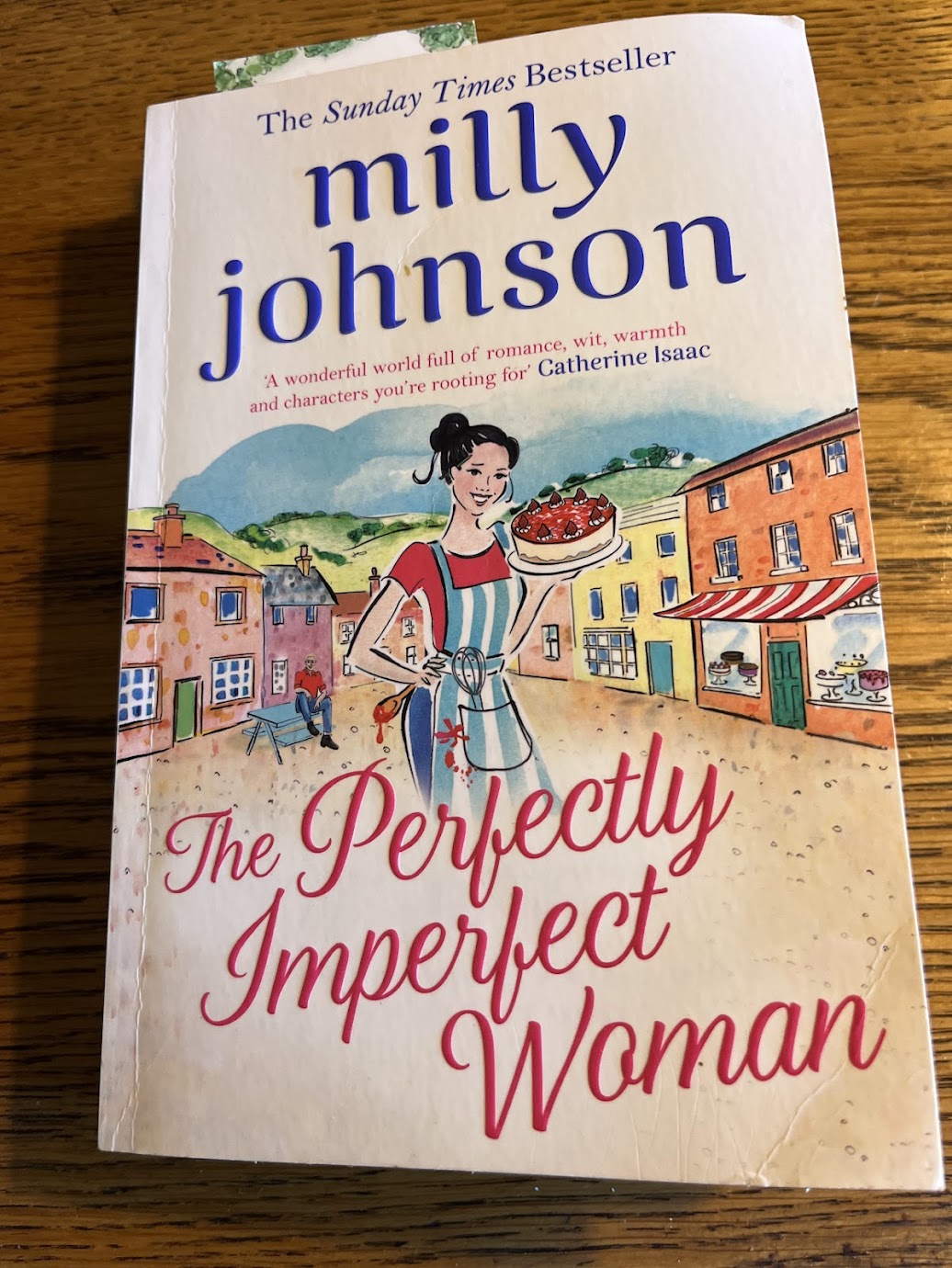
After my busy Easter break with the emotional roller coaster of traveling to the US and back, I returned to work. During the first couple weeks, I had a few writing commitments including the interview, while at my day job we gear up toward GCSE exams. I needed a fun and “easy” read so I picked a Milly Johnson book out of my TBR shelf. Her books are classed as Romantic Fiction so I hadn’t gone out of my way to read one before.

The Perfectly Imperfect Woman was the perfect read for me that week. A rollicking pace; clever, piquant descriptions; a well-rounded, super-relatable protagonist more on a journey to come to terms with a torturous past than to find romance. Oh, and there was cheesecake, and great big mysterious manor houses. There were multitudes contained within the genre label.

The idea of being “perfectly imperfect” is resonant to many of us, I suspect, and it’s the kind of attitude I want to foster in students. While understanding there will always be struggles, to work out the purposes worth struggling for, and the right support.

Do you have any theories or assumptions about genre fiction? What’s a book that impressed you from a genre you don’t usually read?

My Writingversary

This Week’s Bit of String: Pencils, coughs, and cake

Thirty-three years ago Wednesday, I started properly writing my first book. I was eleven years old, in seventh grade. I hid behind my hair and refused to wear my ugly glasses. When I was forced to speak in front of the class, a classmate hooted, “Turn up your hearing aids, everybody.”

I may not have had much to say, but I had a story to write. I’d planned it for months; drawing up maps and a census, tracing pictures I thought resembled my characters, recording a soundtrack mixtape. I blocked out scenes with my little pencil-people that lived in cardboard tenement blocks, or in drawer compartments above my jeans and sweaters.

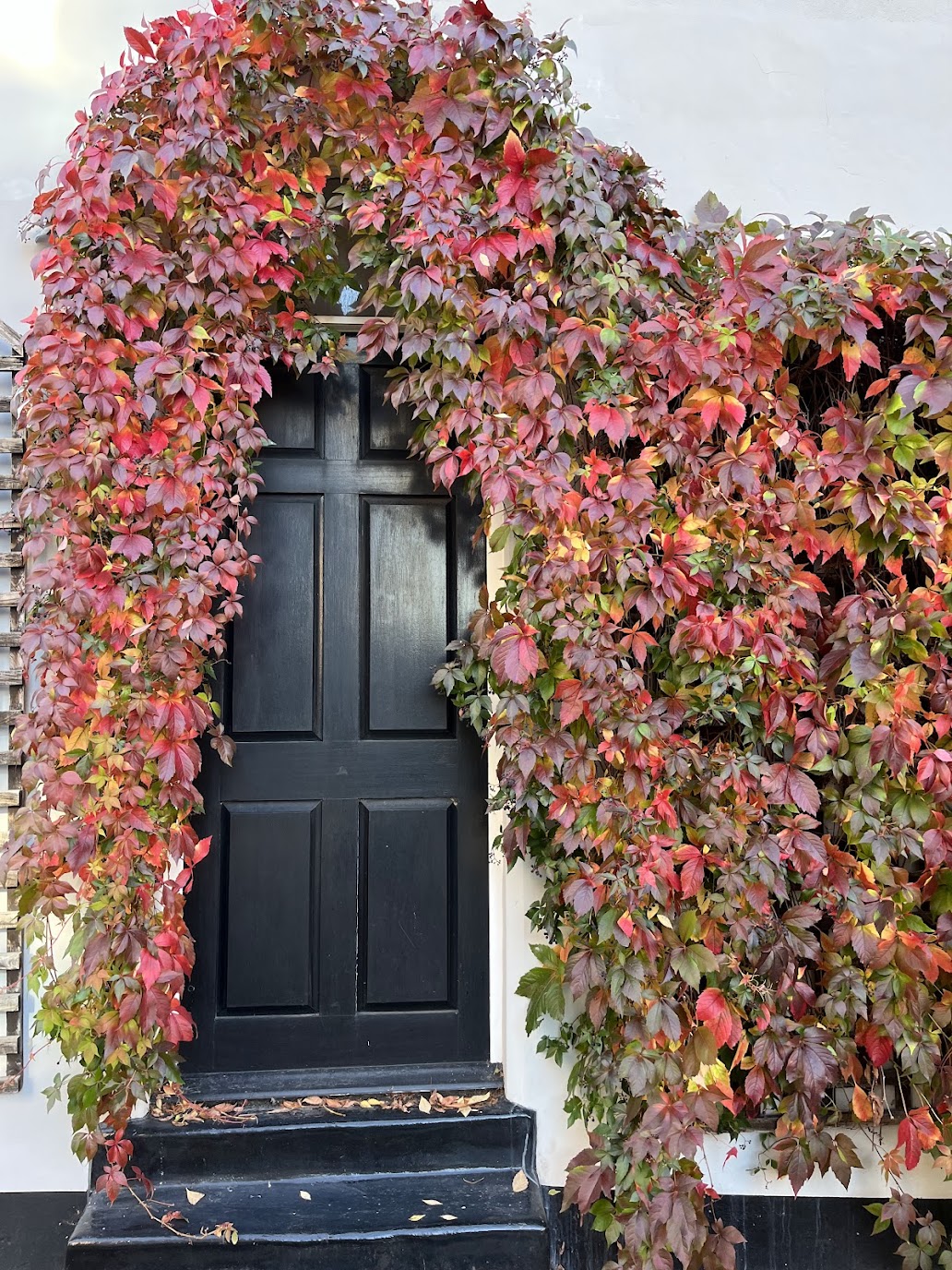
Happy autumn, everyone!

And then I finally started writing it. It had taken time to realise I could do more than play-act it in  miniature, I could write it. Preserve it. Do the grown-up thing. 

On the very evening after I’d begun my writing, I received encouragement at the junior high school’s annual Open Evening. My new English teacher praised my classwork extensively to my parents. She was the first to focus on my writing. It felt like an endorsement on behalf of the universe, the timing of her conviction that I could go far. I remember being giddily pleased, while of course trying not to show it.

In the next two months, with pencils, stacks of double-sided lined paper, and my tiny printing (I’ve no idea why they say that’s a symptom of a control freak), I wrote 386 pages. Whilst maintaining my good grades, too. I have never been able to replicate that accomplishment in terms of volume produced. 

Reaching Limits

That draft should have been more than 386 pages. I hadn’t reached the end, even though I knew exactly what should come next. I had thought about it, played reels of it in my mind often enough. I contracted bronchitis and was sick for 3 weeks, then got it again the following month and was sick for longer. 

Not only had I entered my Author Era, I was pioneering what would become my Victorian street urchin-inspired cough. To this day, I’m susceptible to it, and it serves as a homing signal for my family to find me.

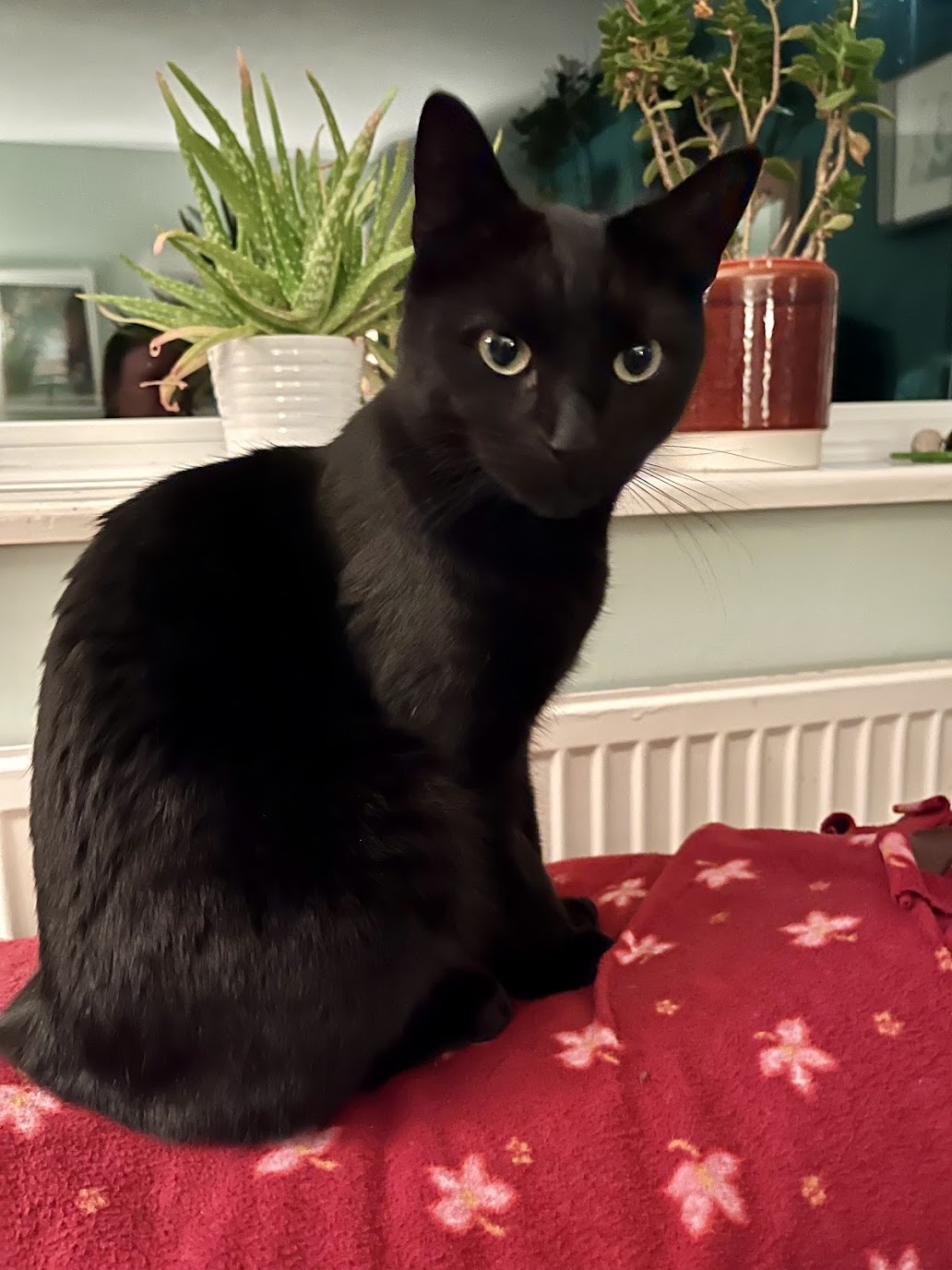
Obie, my writing accomplice

I was barely able to do schoolwork, and I stopped writing my story. Throughout the following decade, I simply restarted the same story, standing in new sidekicks as I met new friends, and I never got past 100 pages. The first novel I would ever complete, Artefacts, was a very different story although it had a similar protagonist modeled somewhat inadvertently on myself. But my self-perception had evolved over the years requiring a different plot, because my dream ending shifted from being rescued to self-acceptance.

I finished my first novel in 2015, almost 23 years after my original Writingversary. My first published story, in The Bristol Prize Anthology 2010, came 17.5 years after the Writingversary. 10.5 years after my Writingversary, I completed a degree in Writing and Literature while a single mother working full-time. I’ve had quite a few short stories published now. Not so with my novels yet, but I wonder if my 7th grade teacher, and the many supportive teachers and college instructors that followed, might still be impressed.

Marking Success

It’s a bit staggering to consider that I’ve been putting pencil to paper to write planned projects for more than three decades. Naturally, I wish I had more to show for it. Winning the 2017 Gloucestershire Prose Prize and reading at Cheltenham Literature Festival was a highlight, and my story “Pie a la Mode” won £250 in Amazon vouchers from the Funny Pearls humour website. Enough to fund equipment for a pet cat, and even a new hoover to clean up after our dark feline prince Oberon.

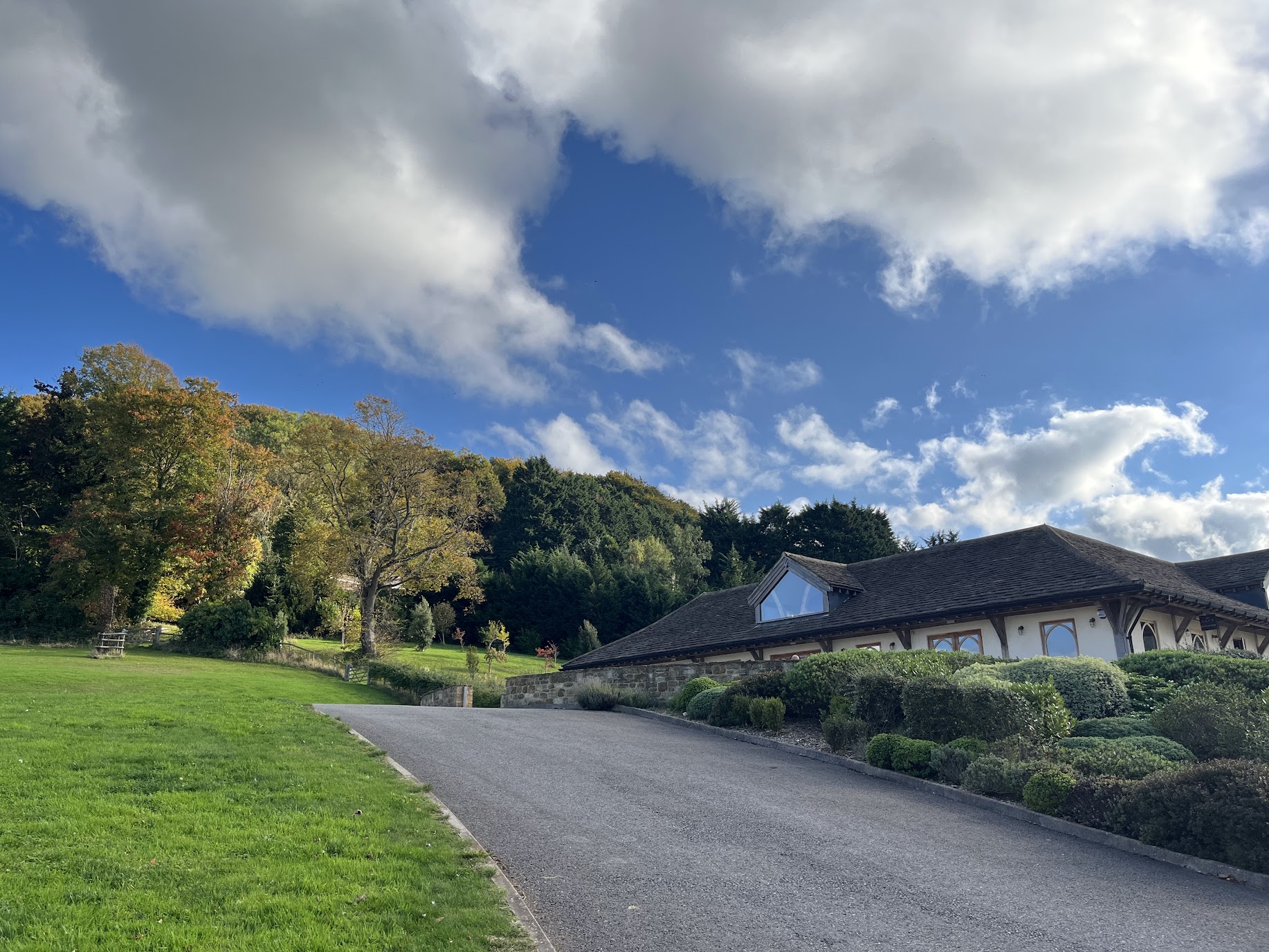
This year’s Writingversary destination

Writing has opened up social opportunities as I’ve made wonderful friends through writing groups, and it’s an integral part of my mental well-being. I don’t feel right if I don’t do it. By building my writing habit over the years, I’ve built resilience as well. I may not have a lucrative career, but I am constantly creating or fine-tuning pieces.

I still sometimes wonder if my bouts of poorliness tend to follow a particularly busy writing stretch. But now, because writing is part of my daily life, I tend to keep working on projects even when a cough strikes, or even flu.

Maybe that’s my best success. Thirty-three years provide many chances to give up, and I didn’t. For this year’s Writingversary, I walked up to the local Garden Centre after work and had a drink in the cafe and a slice of pumpkin cake with maple chai frosting. I scribbled in the golden autumn light. The timing of my Writingversary draws me to this season, and I’m so glad I found a bit of time to celebrate.

Do you remember when you first started writing? How do you celebrate this milestone?

All in Your Head

This Week’s Bit of String: A 160-year-old murder

Once on a Girl Scout visit to the local Shaker Museum, we learned about a murder which hastened the decline of this hard-working populace. The story stayed with me for decades, and only recently on a visit home did I confirm it.

Shakers, officially the United Society of Believers in Christ’s Second Coming, fused work and worship to delight in tasks rather than view them as punishments. This resulted in some excellent craftsmanship for which they’re known. They’re also distinct for practising celibacy. Their numbers relied on recruits.

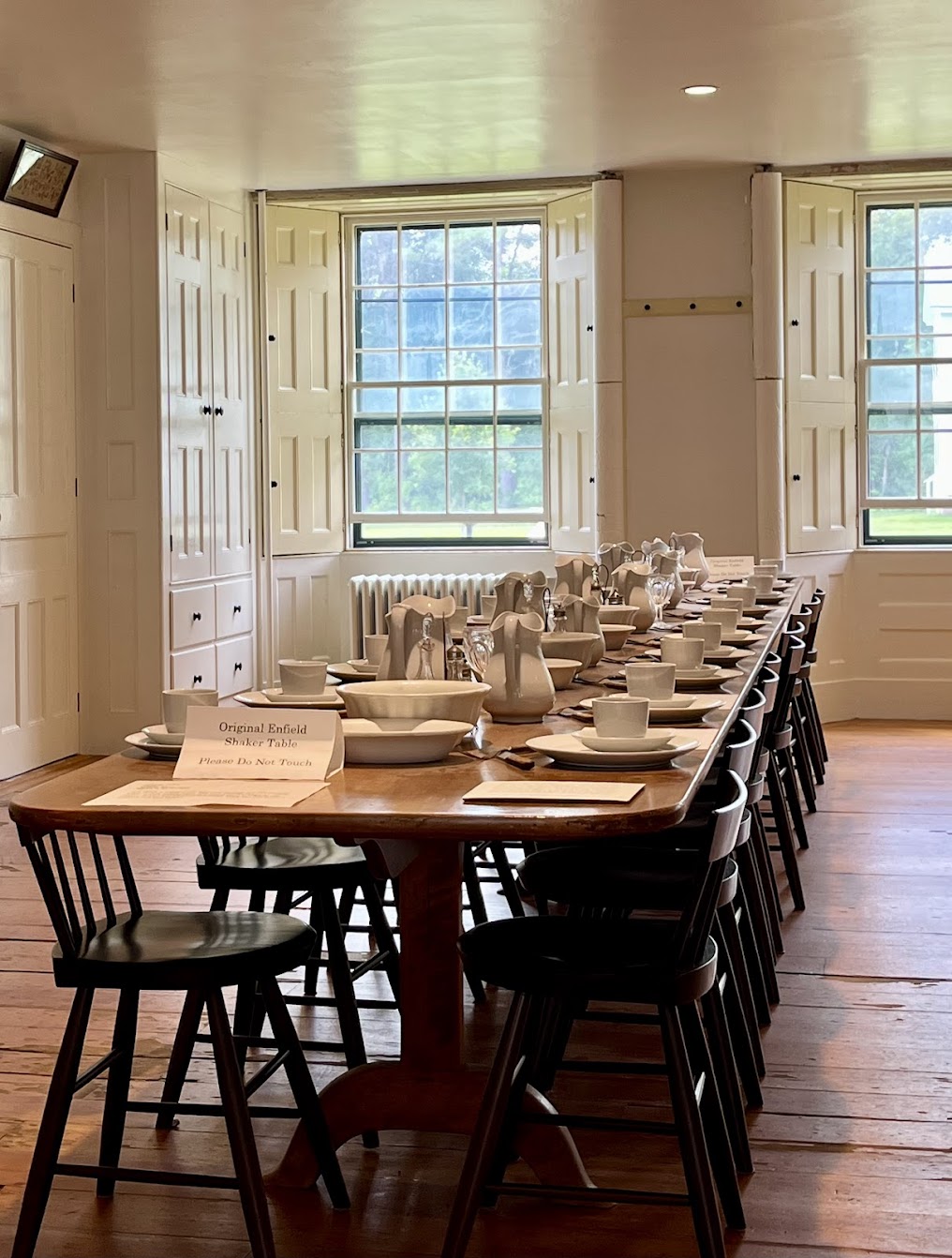
One of the original Shaker tables, where the Wier girls may have eaten their meals

Families struggling to provide for their children might sign a couple over to the Shakers, agreeing not to interfere with Shaker education. When the American Civil War started, a man named Thomas Wier entered two daughters into such an agreement. He was enlisting, and his wife was ill. It seemed the best way to look after them.

In 1863, Wier returned. He made various attempts to take his daughters back, valuing unification above the contract. His wife and older daughter tried to snatch them away during a visit, but the girls fought them. On another evening, Wier tried to visit them but the community trustee, Caleb Dyer, refused because it was so late in the day. Wier shot him.

Caleb Dyer died from his wounds three days later. As trustee, he’d been in charge of the finances pooled by the fellowship. They had invested in mills, bridges, and railways around town. However, his records of these transactions had mainly been mental and unwritten. Without him, creditors swarmed and a local mill even, apparently, fabricated debts and demanded them of the Shakers. The community lost a lot of money.

Hearing that story the first time, it fascinated me that a whole group’s fate hinged on a desperate man’s impulsive act against a seemingly, perhaps excessively, introspective one. I always wondered what happened to the children Wier was pursuing. Did they feel responsible? Where did they truly feel at home?

My recent visit did not illuminate anything on that front, so I’m still imagining the possibilities.

Life of the Mind

The tale had populated my mind for so long anyhow. In my last post, I considered how random objects can lodge in our memories, and this is even more true of stories. Their crest and ebb etch channels into our minds. For us creative types, it’s as if we’re standing on the shore wondering how to harness these tides.

How far will our creations make it?

Once we’ve diverted our gathered stories into new forms, an even bigger question is: What’s good enough to share? Which are better off eddying in our minds and which can we release?

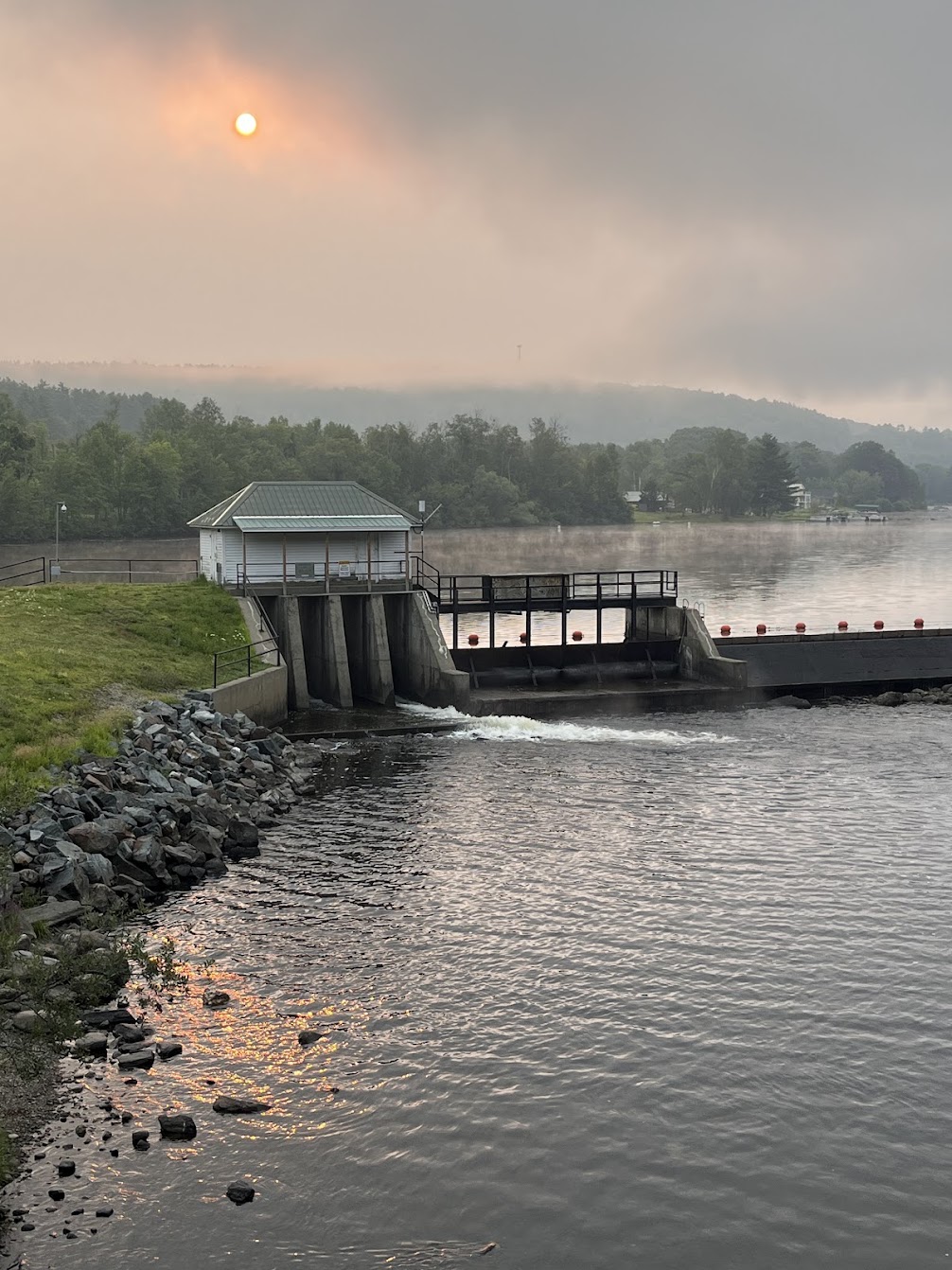
Last week, one of my stories dried up in the wild, you might say. It was my third story to flow all the way to a major competition’s longlist, but not make it past the dam. Longlisting is good for sure, but I want better for my stories. Now I have to work out how to give it an extra shove, when I thought it was great already.

It’s panic-inducing, the realisation that most of our work will advance no further than the borders of our minds. Our desires to reap tangible benefits from all our efforts, to gain recognition and to be remembered for it after we’re gone, are all real and human. If my novels and more of my stories never get published, will all my time be wasted?

Shifting Currents

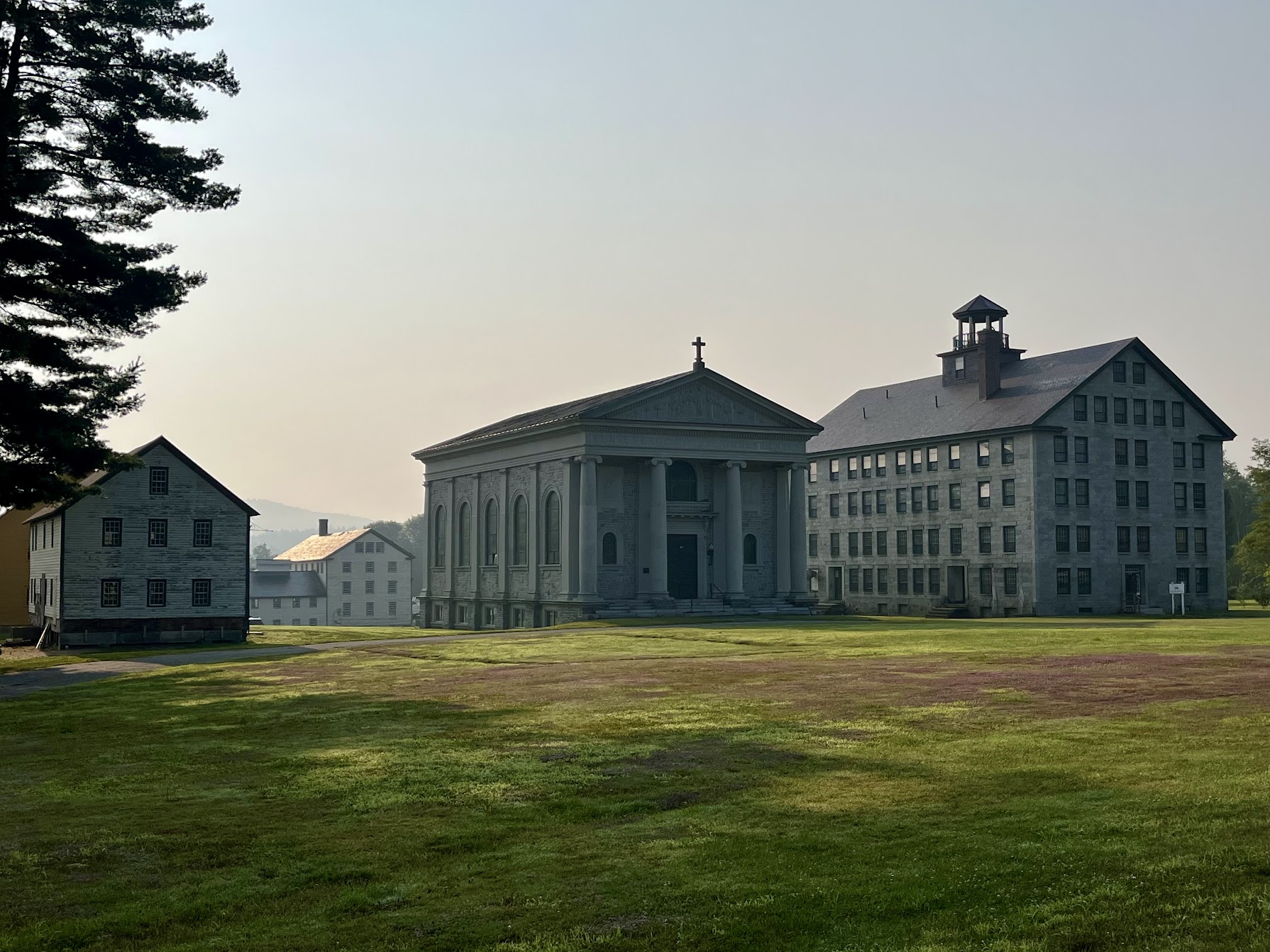
When the Shaker community started to die down and sell off their buildings, a Catholic community bought up much of the premises. They built their own shrine and chapel, and fixed up the Shaker buildings with a view to running a boys’ school.

From left: Shaker broom shop, Catholic chapel, Shaker Great Stone Dwelling

For decades the shrine kept going partly by putting up a dazzling display of Christmas lights in the snow, and receiving donations. But the funds seem to have dried up, and as of a few years ago, they couldn’t maintain the site. By this time, the Shaker Museum was established enough to buy the site back.

So, anything can happen. A draft of a story in my head could evolve into something else entirely, or get swallowed into another project. Maybe that will have more of a chance outside my imagination’s borders. Who knows.

Like the Shakers, we can’t view our work as a punishment, or even exclusively as a means to an end. Engaging with creative pursuits is challenging, but it helps us make sense of and appreciate our surroundings and the people therein. It gives us an outlet in stressful times, whether someone else ever sees it or not.

Even if our creations don’t make it far out of our heads, is that really such a bad place to be?