This Week’s Bit of String: On the bad list
Year 10s strike again, keeping us extra busy now exams are finally done and the Year 11s have mostly left. There are the usual tousles: squirting water bottles at each other or nicking a pair of scissors and cutting each other’s hair during lesson.
Worse, some of the boys who actually behave all right in class have caused a stir amongst their peers by teasing or revealing lists of People They Hate.
A Year 10 girl I work with is worried. She feels angsty about the added drama. And though she doesn’t say it, no one wants to learn they’re on such a list. We can tell ourselves we don’t deserve it, but if we learn someone dislikes us, it shakes us to the core.
When I was a freshman in high school, I referred to hating someone and the senior I adored with all my heart informed me, “Hate is a very unattractive quality.”
Talk about being shaken to the core. I shied away from the word and indeed the feeling pretty much ever since. I’d been talking about a man at our church who had been so unstable toward his daughter, a friend of mine, that she had to go into foster care. But still. I’d let it slide in order to not be considered unattractive.
My student is older than I was then. She carries grudges with the expertise of a heavyweight lifter, but I’ve never heard her use the word hate about a person, much less a literature character. Yesterday in English class, we discussed our semi-grudging admiration for Lady Macbeth.
As a sophomore in high school, I wrote an essay comparing Lady M to Scarlett O’Hara from Gone with the Wind. You had to credit their grit and determination, but you wouldn’t necessarily enjoy knowing them in real life.
Maybe, I mused, that’s another gift books bestow on us: the chance to admire someone we’d have to dislike outside the page.
Empathy Versus Rage
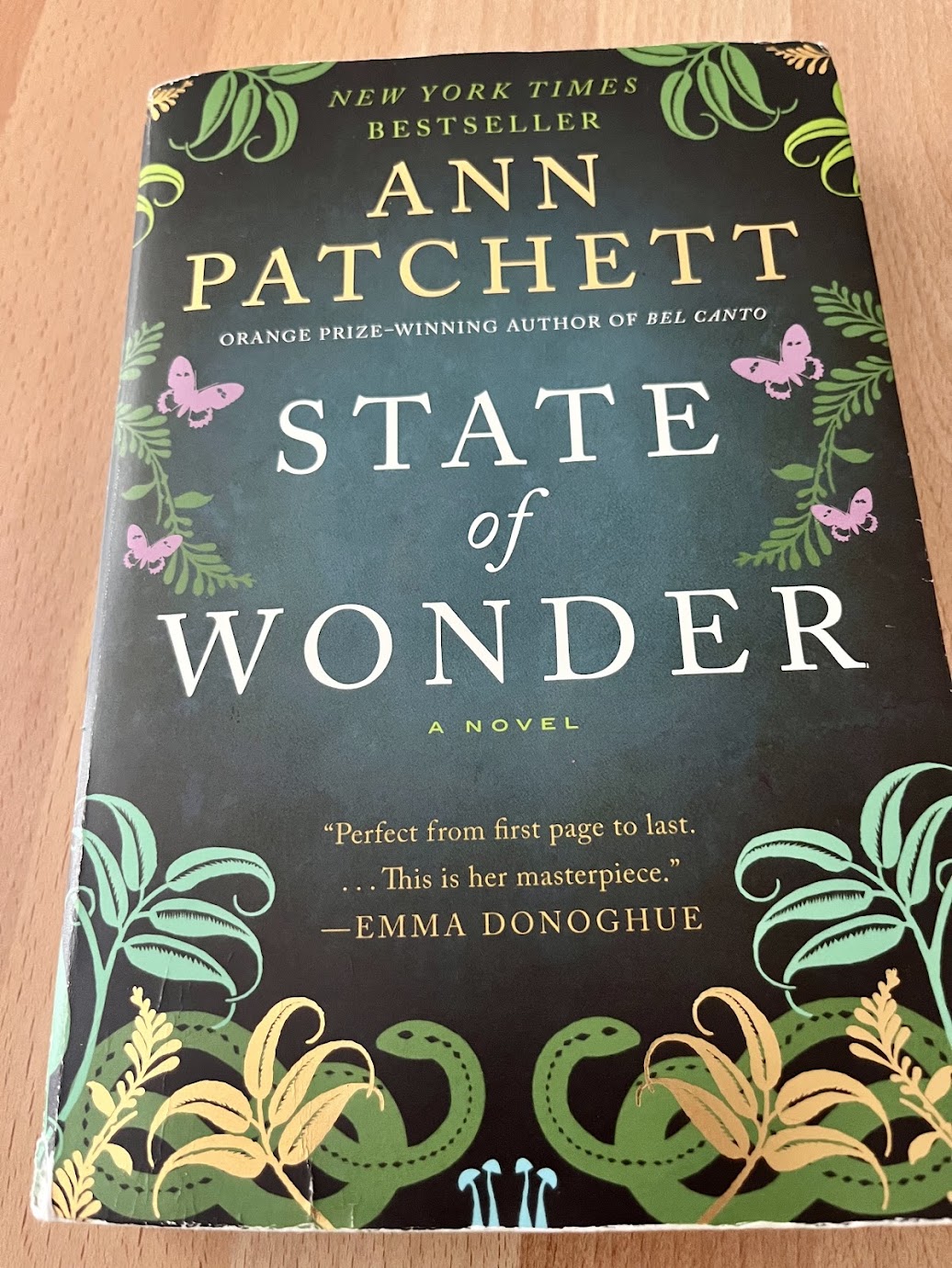
Likewise, in books we can dislike a character without feeling morally compromised. I recently read Ann Patchett’s State of Wonder, and a character in there annoyed me quite a lot initially.
Dr. Swenson is formidably hard-working and intelligent, but she seems convinced she’s superior to everyone because of it. I really wanted someone to stand up to her, or prove her wrong with quiet composure. Briefly, I even rooted for her to be killed off.
In real life, there are plenty of unpleasant people in my work, but I always seek reasons to extend, at the very least, sympathy to a student who’s a bully. There’s a boy in Year 10 who shouts, “Do you have to be so violent?” when I tell him to stop talking while the teacher’s talking. Or I’ll go to start him on his English class assignment, and he’ll smirk and ask me, “Do you even gym, bro?”
Not that clever, this performance for his mates. But I’m not sure this boy can read very well at all, so he probably feels insecure and embarrassed about that. The odds are stacked against him and therefore, he deserves my care and not my anger.
It makes a nice change to let myself get mad at someone, safely within a book’s pages.
Gender Gap
I wonder if gender plays a role in our feelings for book characters. Lady Macbeth has been stigmatised for centuries, but as a result I think a lot of women feel an affinity for her.
Since I study Macbeth with new classes every year, I see a lot of Lady M but she grows more inscrutable to me, in a way. Why does she so quickly become obsessed with Macbeth becoming king? (Uh, spoiler alert, by the way.) Was her lot so terrible, and how did she believe it would improve? Shakespeare doesn’t really give us enough of a “Before” picture to understand her motivations.
And if Dr. Swenson in Ann Patchett’s novel was a man, she’d be as insufferable as tech bros with their idiotic God complexes.
But she is a woman instead, and so while her arrogance offended me, I also trusted that this more modern writer would execute enough twists and possibly allude to enough backstory to make me care about Dr. Swenson and give her credit by the end. Until then, I enjoyed the ride, relishing the opportunity to detest someone with zero consequences.
Who are the literary characters you love to hate?