Filling Spaces

This Week’s Bit of String: Dragons and evacuees and musicals, oh my…

Confession the First: In second grade I had to write a complete story for school, and I sort of stole it from a computer game. I didn’t know how to invent whole new ideas, and my family had been working through Sierra Entertainment’s King’s Quest games 1 and 2. They were monochromatic with blippy music, but loads of fun. I couldn’t get them out of my mind.

In turn, the games themselves borrowed fairy tale elements, so while I felt as if I should have come up with something original, I also figured borrowing stuff was allowed.
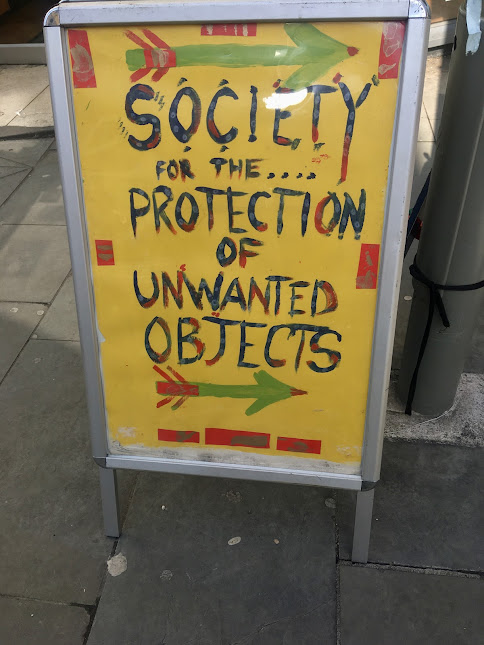
A story starts out as a bunch of objects. Why not begin with whatever ones we want?

I was already skilled at pastiche. Before even starting school, I’d assign my stuffed animals roles based on Narnia characters or von Trapp children from Sound of Music, to enact and sometimes remix my favourite tales. Less than a decade later, I devised a series of novels set during the holocaust. I had a plot but didn’t know enough people to inform strong characterisations (particularly of the male variety; middle school does not offer a rich seam of girl-boy friendships).

So, once again, I borrowed. I had characters based on Uncle Tom’s Cabin, Anne McCaffrey’s Dragonriders of Pern, and other books I liked. I’ve mentioned this before. They weren’t pristine or even recognisable copies, since I was putting them in different circumstances with different companions. But it helped me to carry on creating when I had a picture in my mind.

Just for the Moment…

In the first King’s Quest game, released in 1980, if you tried to turn your character a certain way in certain frames, or if you generally attempted something not in the programming, a message would pop up on the screen: “You can’t do that—at least not now!”

Sometimes, writing is like that. We have some of the ingredients for a full story, but are missing others. And you have to just put something in as a stopgap, in order to keep going.

At work I’m helping students prepare for exams. Every Year 11 in the country has to take the same subject exams, regardless of special needs or life circumstances. If they don’t pass at age 16 they must keep taking them each year. (I could pour my hatred of this system into several blog posts, ranging in temperature from grouchy to scathing, but I won’t trouble you with it now.) Most of my students have processing issues and biological literacy challenges that impair their ability to even understand the questions, which are set to trip students up anyway.

Still, we tell them to try. If it’s a Maths paper, put down whatever calculations you do and write something for the answer, even if it’s a guess. For the English papers, write as much as you can think of. Just put something down in those blank pages, to increase your chances of a pass.

In standard writing practice, we do something similar. A common exercise to get thoughts and words flowing is to free write for 5-15 minutes. You must keep writing the whole time, and you’re instructed, if you can’t think of something to write, to keep your pencil moving anyway. You can write “I don’t know, I don’t know, I don’t know,” or “blah blah blah,” but keep writing. Fill in the blanks.

Purloined Persons

Confession the Second: I haven’t written new fiction in almost a year. I have written hundreds of pages, scribbling about my daily life and the odd fleeting idea. I’ve done blog posts. But I haven’t created, I haven’t added building blocks to a story. Lack of time, headspace, energy, you know how it is.
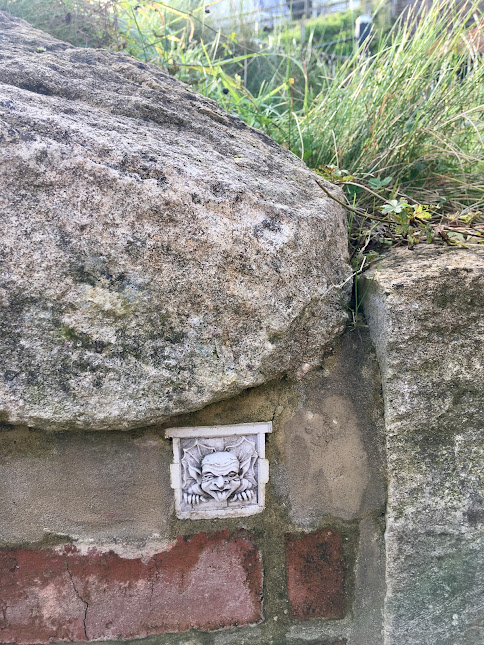
All kinds of building blocks to make this wall.

With the Easter holidays beginning, I decided to give it a go. After all, the longer you wait to do something, the more you believe you’re doomed to fail. Have you found that?

I unearthed a pretty decent story opening. I don’t entirely know what’s meant to happen in it. I’ve not been able to pull advances out of thin air. Why not borrow something, then? What if I take someone I know a little bit about, unpick the thread of a distinguishing characteristic or background detail, and then weave those into some gaps in my story?

It sounds kind of ruthless. Callous, perhaps, to borrow a person’s attributes. I don’t usually consciously do this. But sometimes you just have to fill in the blanks, and once you add to the ingredients you’ve already got, it’s all going to change anyway.

Sometimes a song or a picture will unlock a key element we need for our work. Other times we need a stronger nudge. Having come up with this plan, I managed to write 700 new words in just an hour and a half, even while frequently running off to check on dinner cooking. It’s still my own story, I just needed a bridge from reality into my long-unaccessed imagination. Already, now she’s got some words behind her, the character is finding her voice to tell me all sorts of things distinguishing her from her inspiration. And a story gets reworked so many times, characters evolve drastically.

What tricks do you have for filling gaps? Have there been things you loved so much, they may have shown up in your work, one way or another?
The Right Mix

This Week’s Bit of String: A seating plan reshuffle

You know it’s time to amend the classroom seating plan when sitting through an English exam practice question results in two students pelting empty drinks bottles at each other, clipping a staff member’s ear, and unabashedly informing the teacher they’ll f each other up as soon as the bell sounds.

In this case, the teacher begrudgingly typed up an incident report but tried to make me write the new seating chart in my unpaid after-school time.

“Make sure students a, b, c, d, e, f, g, h, and i are nowhere near the windows,” she ordered. There are 3 window seats. There are 15 kids in the class.

She wanted at least 6 of them right in the front, but no one next to each other. Consign to some unreachable corner the special needs ones I’m there to support. “It’s a shame,” she said. “Most of them have been working well enough, but we’ll have to move everyone around in order to be fair.”

Rewriting a short story the following weekend felt like staring at the paper on which I was meant to draw up a new seating plan. Where to even start? So much I like, must I really chop and change the whole thing?

Outnumbered

For years since I first worked in the local secondary school, whenever I have to do something hard I have a recurring image in my mind. A dark-eyed little Year 8 slumped over basic arithmetic problems, throwing his head back and groaning, “This is so looooong!”

Long is a big insult from a student. Long is NEVER permissible to them.

Rewriting can feel long. Long and not particularly well-illuminated.

So it is with rewriting, in more ways than one. It takes a really long time, and I’d forgotten that because it’s been several months since I was free to sit down and fully overhaul a project. You think creating, yanking plot and character and language out of thin air, is the hardest bit. It should be quicker tidying things up, but it’s not.

It took hours of painstaking line-by-line work to shrink the word count by 40%, and that’s only the first go. Just as we make our Year 11s do more than one practice paper before exams, it’s going to take multiple versions before I get this story right.

The piece I’m working on is told by a mother of young kids. She has a terrible back injury and her husband’s disappeared. It’s funner than it sounds, because the kids are cute and the woman has a wry sense of humour. However, as with many tales, I have to balance out pain and hope, despair and wit.

Seating Plans Versus Story Drafts

There are a few similarities between helping run a classroom and pulling together a narrative.

No aimless gazing out the window: We want focus in the classroom (easier said than done) and definitely in a story. Every word and exchange should be trained toward the story’s purpose. No diddly passive verbs or excess prepositional phrases, no meandering side glances or navel-gazing either.

Long = Bad: This isn’t always true of course, but we don’t want anyone to feel something’s a slog. We give students various quick tasks to build different skills, and likewise with a story we can vary the tempo. Once I’ve made a major round of cuts, I look at the shape of the paragraphs on the page—are there too many rapid-fire dialogue lines, or excessively dense thickets of description? Where possible, I distribute these and alternate them.

Don’t forget the back row: The first page is like the classroom front row: curated with special care to set the tone. Because so much expectation rests on those initial words, I go over the beginning loads of times. But I also work backwards at some point, line-editing in reverse so my scalpel is sharp at the end for this round of cuts, rather than always sharpest at the beginning.

A little cold round the edges can bring the general shape into sharper relief

Maintaining balance: Move over Hamlet, the REAL question in life is do we lump the bad together so we get bigger swathes of good, or try to pace it out? In schools we often inflict a beastly child upon a lovely one in a seating plan. Otherwise the “bad” kids sit next to each other and form a whole beastly herd in Row 3. As a writer, I don’t want to present readers with unrelenting woe (I mean I’m not Thomas Hardy), so I emphasise warm relationships where possible and sprinkle humour throughout.

Make space for addition: When deep-diving into a rewrite, the immersion lasts beyond the hours of Post-It rearranging, pen slashing, and sitting at my laptop. I’ve reentered the world of my story and it takes a while to find the exit. In my dreams, on my walks, while I’m cooking dinner, I think of things I want to add. Parallels to be drawn more clearly perhaps, quick descriptors to enhance the mood.

Not ideal when trying to reduce word count to meet a competition’s maximum requirements. It’s like unleashing a kid fresh from the Internal Exclusion Room into a previously settled classroom. Will this knock everything off balance? But newcomers, whether people or words, deserve a chance.

Above all, when I’m editing I just wish someone could give me the answers. Does this go here? Am I allowed to keep this? Is something more needed there? I lucked out with the seating plan at school, because the other teaching assistant and I convinced the teacher it wasn’t our job to do it, and that little was required anyway. “You can keep most of the students where they are. It’s not as if it’s a secret why we have to move two or three of them.”

What are your tips for rewriting? Do you enjoy the process or do you find it… long?

The Value of Women’s Time

This Week’s Bit of String: The dregs of a ketchup bottle

Sometimes I think about the consistency of time, as if it were a physical thing. With my last job, doing billing and customer management, time was like bottled ketchup. The tasks could be so tedious that time just sputtered and dripped languidly, then a deadline approached and time spurted past leaving a mess.

Now I’m back working in secondary school classrooms, time is more like sand in an hourglass with a particularly generous funnel. Each moment is a grain tumbling through, some with more jagged edges than others, but mostly very fast and after just a couple of hours you get a quick tea break but you’re sifting through the grains to ensure you didn’t miss something really important. A student in crisis, a quiet success, a useful tip for helping someone learn.

Imagine how it would change the flow of a year if Christmas was in January. Would it all be an uphill slog from there? Instead it comes at the end of the year, like a stone in a river, and makes time accelerate and leap around it.

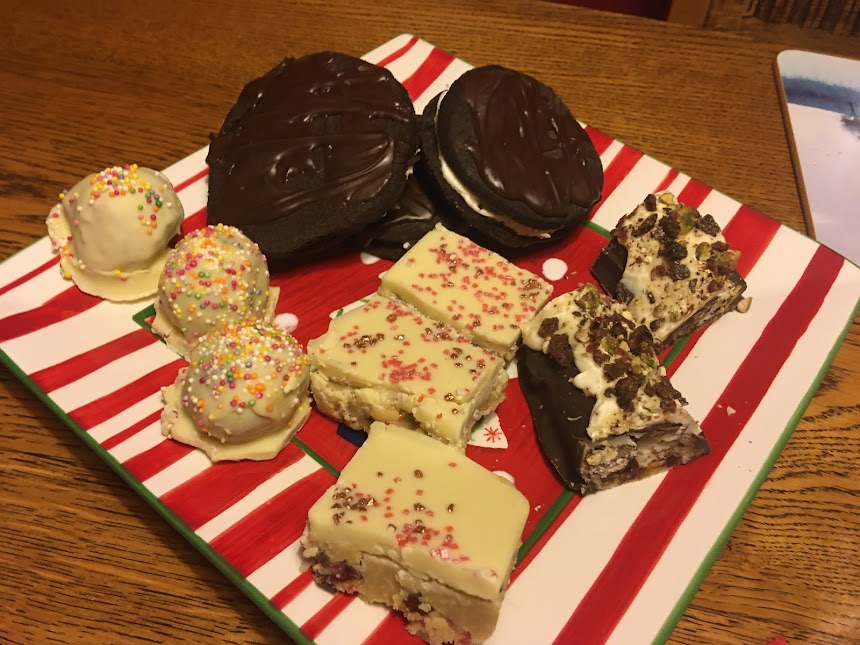
O come let us eat cookies. Baking is a big project for me each year but I love it, as a sort of meditation, a chance to practice other skills with delicious results.

Suddenly it feels as if we’re racing to year’s end, and we have to hold so much aloft as we plunge. We should make the house nice and bake fancy things and organise travel plans, deal with the crescendo at work (supporting students through mock exams, for example), put in cheery appearances at dinners and parties and concerts, secure Christmas gifts for all our family, and the family we grew up with, keeping it as environmentally friendly as possible, and I suspect as a wife I’m not alone in having to sort all the presents for my in-laws as well, plus being the contact person everyone comes to asking, “What does so-and-so want?” And down the cascade we go, still cheering because at least in my case, I quite like Christmas despite the madness.

Supply and Demand

I am lucky to have so many reasons to be busy, to have people I care about enough to work hard and make Christmas special. Some things even work out a little bit like I might have hoped. But I do sense that women generally adapt a wider range of duties year-round than many men do by default, simply by our awareness that they exist.

There are exceptions and even for our men who get a little more free time than we do—we know you have your own challenges, and we’re happy to help. But for many women (including people identifying as female, including those who don’t have children or partners), we have extra people relying on us in weightier ways than men do, and we are stretched in more directions.

As long as this guy gets some carrot, maybe a sprout or two, we’ll be ok.

This year we’re hearing about supply chain problems around the world. Covid slowed manufacturing down, various factors slow down transport, so there may be fewer goods available and the prices will be higher corresponding to reflect the lack of availability. Anything in high demand that therefore suffers scarcity gets priced at a premium. Since women have so many demands on our time—doesn’t that mean it has a higher value?

Our pay doesn’t usually reflect this. Because of family obligations, we often have to take part-time work, low-paying jobs, and/ or jobs without very good benefits. I like that in the UK you can actually look up pay gap statistics for companies employing over 250 people. There’s even advice for companies on how to address the problem.

Overtaking

With frequently undervalued jobs and with off-duty roles which men might not even imagine exist, we have to learn to value ourselves. We facilitate everything from hot meals to regular dental check-ups to artistic endeavours to excited Christmas mornings. Where would this world be without us?

Any spare time we have is a rare commodity and you’re allowed to treat it as such. Guard it by saying no to a last-minute obligation. Insist on its high price. I’m paying a little extra to have groceries delivered this week, because it frees me up to join my Writers Group Christmas gathering, in person for the first time in two years. Or, getting a few minutes to read by candlelight could be worth the price of making someone else wash the dishes for once.

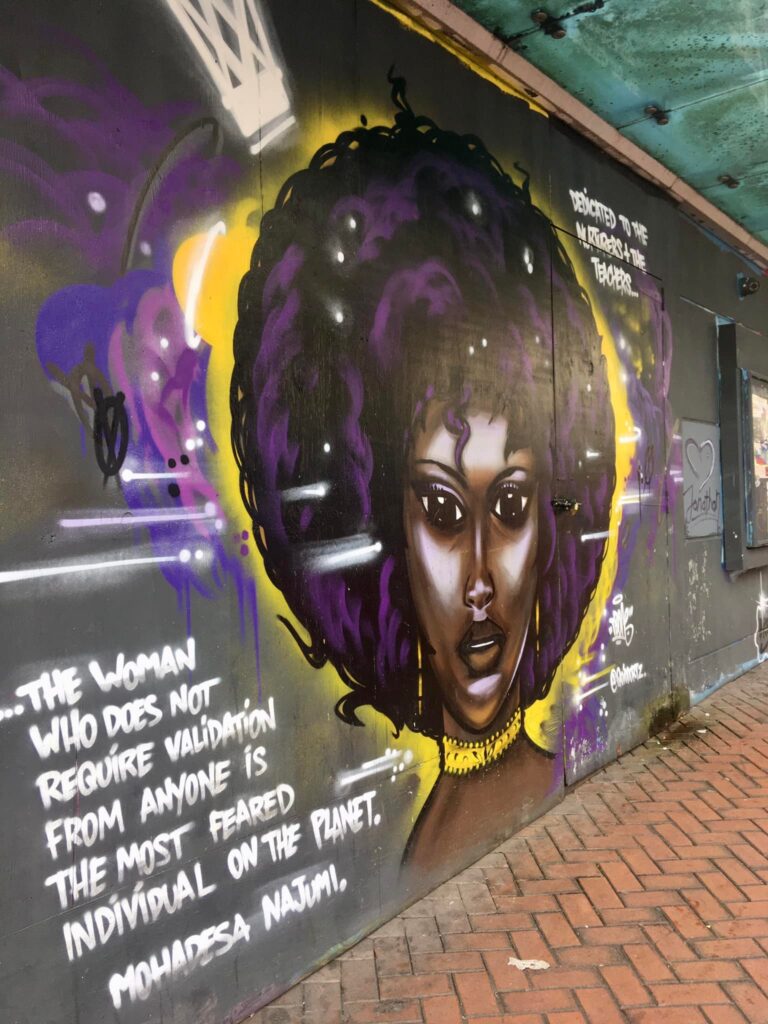
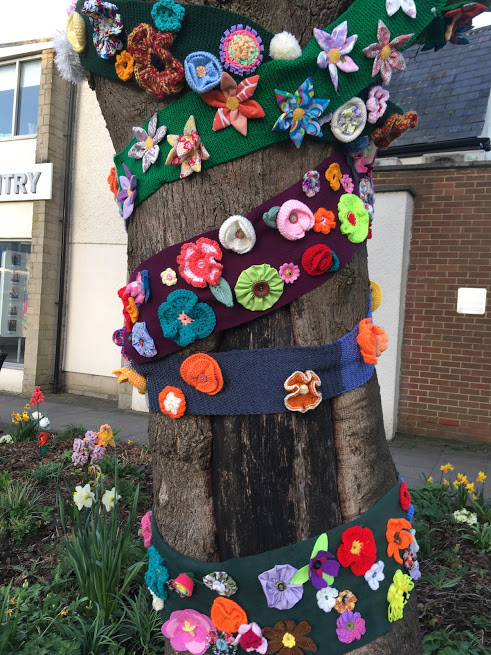
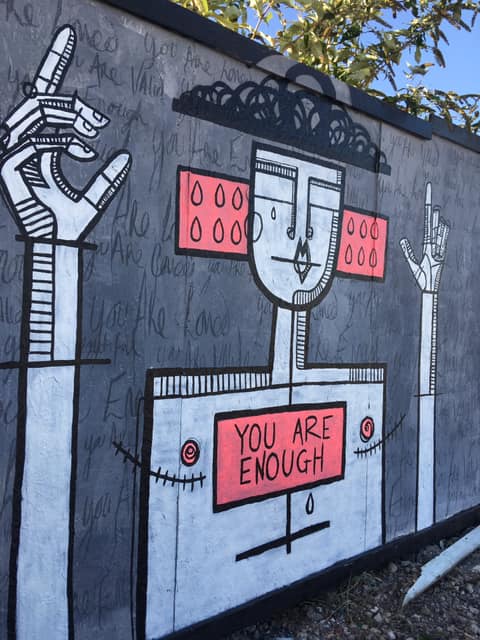
Street art, Birmingham

We can also claim our time by allowing ourselves to go faster. Recently I was pounding along on an early morning hike when I encountered the nightmare scenario of Polite People Everywhere: a man walking very slightly slower than I was.

I thought I’d better slow down to avoid the awkwardness of passing. Men can get defensive if overtaken by a woman. But slackening my pace even a little risked throwing my whole schedule off. I might have to wait longer to get into the family bathroom for a shower; I might encounter more traffic when trying to cross the street on my walk to work. On the other hand, if I sped up, I could begin one of the many jobs on my list for the day.

Reader, I overtook him. We should dare to overtake sometimes, since we have a lot on our plates. Maybe you don’t have a day job at the moment, maybe you don’t have kids or a partner—whatever the situation, if you identify as female there may well be extra emotional duties you’ve taken on simply because society expects it, and you’ll be feeling the burden this time of year. It’s worth acknowledging, and giving yourself credit for that.

And let’s please remember, even as we’re each super busy and missing family we’re cruelly separated from and anxious that our efforts will not be successful… let’s remember that everyone’s got something painfully pulling their heartstrings in some way. Everyone is tired and a bit sad. Check in. Express appreciation. I know, that takes up a little of our overstretched time, but it is one of the most precious uses for it.

I hope you’re enjoying the season and finding many kindnesses, however small.

Resolving

This Week’s Bit of String: View to a sundown

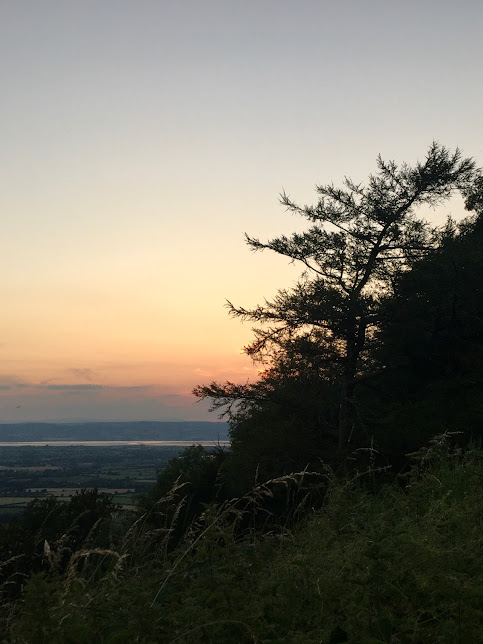
During the recent heatwave, we went out for a late evening drive, finding ourselves at a viewpoint on a local peak. The large car park was almost full. Students in pairs or trios enjoyed the views, family groups packed up disposable barbecues, friends took stock of the situation while balancing MacDonald’s cups on their car roofs.

We wandered to take in the sunset, while dragonflies patrolled the scabia and thistles, and kids laughed and the tractor haying in the pasture below turned on its lights. It was the eve before all restrictions would be eased (despite covid cases rocketing to the same levels as January) and, whether intentionally or not, people were keeping their distances.

We came here in the beginning: March 15, 2020. My husband and I went to a local film festival to see the silent movie Beggars of Life accompanied by a live bluegrass band. There were quite a few empty chairs in the theatre, as people started withdrawing from events, but we thought we’d go, try something a little different, fully knowing it might be our last night out in a long time.

After the movie, we stopped at the same viewpoint and looked at the stars filling in the gap between peak and ground. It felt precipitous.

Unfinished Business

Most people I know are worried about the timing of lockdown’s end. The delta variant of covid seems so contagious; every day we hear of more people having to isolate. The sun has not set on this pandemic.

Even if cases were way down, I think I’d still feel… anticlimactic, perhaps, about lockdown ending. Some people sorted their lives out during that time, it seems. I fear mine is in more disarray than when we started, and I can’t be the only one.

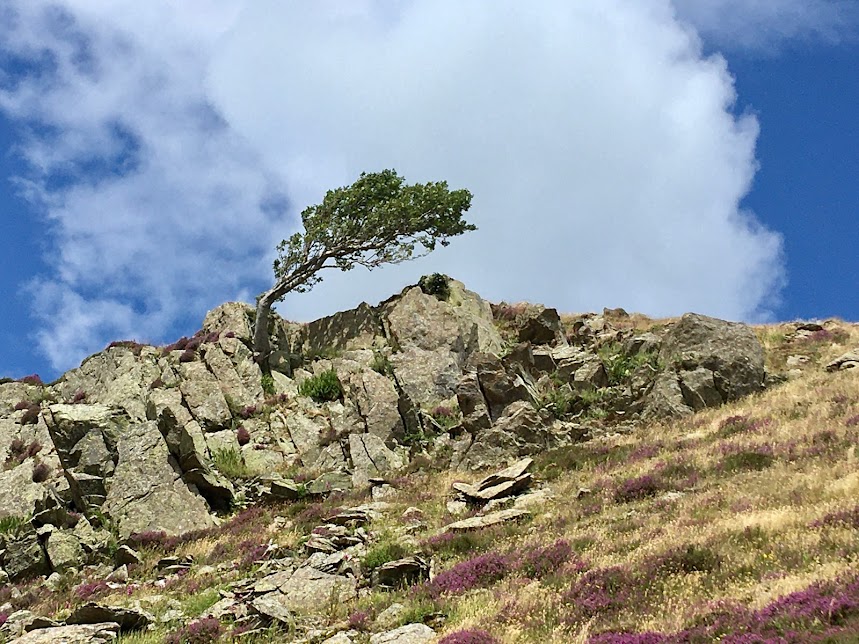
We are all this wind-shoved tree. Still standing…

My son’s first year at uni was a bit rubbish with all the restrictions; now he doesn’t know what he wants to do. Still working full-time, my husband and I didn’t accomplish any stunning DIY feats. We didn’t even have a clear-out since the charity shops and tip were closed. When the toilet and shower leaked under the floor, we peeled the laminate away revealing splintery, water-stained boards, but we couldn’t figure out what to do beyond that. Any further solutions would involve turning the house water off for a while, and we had no other place to go.

I took a lot of good walks—and also got plantar fasciitis and tennis elbow which made many of those hikes quite painful. I finished a handful of stories, and even found publications or events for a couple of them. But I haven’t had the energy or support or just the time to myself to properly tackle rewriting my novel. The loneliness of being an immigrant was more acute than ever. Maybe survival is the one thing I have achieved through lockdown.

Survival Mode

Let’s not underestimate the importance of surviving these times. And let’s not discount the monumental effort of it. When we’re spinning in a frenzy, we’re not going to make an accomplished journey. One about-face and then another don’t really equate to coming full circle.

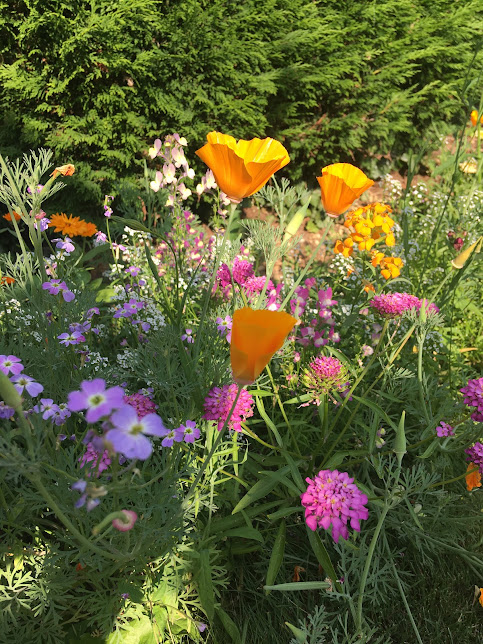
A strip of wildflower seeds in our garden has brought us as much joy as our carefully planted roses and veggies. Chaos can be ok.

Most stories are written to show character development parallel to event progression. I’m not sure real life is like that. We are constantly challenged, and sometimes it’s not until the next really big test that we might notice what we learned from the last. Getting time to process something is a myth, at least in my existence.

So we emerge, reminded that time and family are incredibly precious. I don’t really care how little I’ve written for publication in the last 16 months, I have notebooks full of daily scribbles on how my husband and son were doing and what small things we did for each other. The clutter in my house hasn’t stopped me working lots of overtime right next to it, from a corner in my dining room; the injuries I had didn’t stop me going out for my alotted local exercise.

We’ve all learned what we can push on through, despite being cut off from others. Very likely, we’ll be doing that some more in the near future. This chapter is ongoing, even if the format’s changed. There’s no resolution yet, but we have resolve to keep working toward one! How are you getting through it all?

What to Notice

This Week’s Bit of String: That ship has sailed

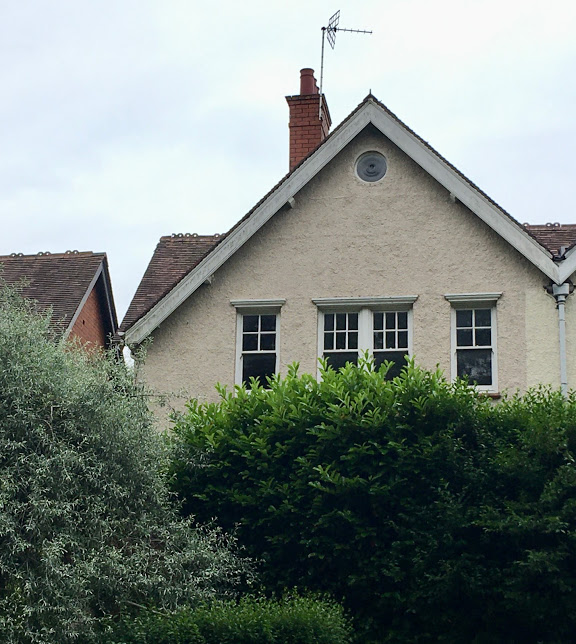
There’s a house I walk past on my early morning hike each day, with a round window like a porthole under the steep roof’s apex. The pane covering it boasted a stained glass sailing ship.

Only it’s not there anymore. I noticed recently, the porthole now has normal glass. Nice glass, with a whorly navel in its centre, but it’s not an adventuring ship. I did not approve this change.

During lockdown one gets attached to certain things. While unable to leave town for months on end, the sights on my limited range of local hikes became my safety network.

Wouldn’t a ship look nice in that window?

Blossoms and blackbirds, shop displays and creeping cats, the church rubbish bin with a fish symbol painted on it just in case the name and location aren’t identity enough. Footbridges and milk deliveries. The man with two huskies who wears a neon vest asking for space, and always smiles Good Morning when I give it to him. The young guy who strides down to the construction depot at the new housing estate and takes position outside the gates to aim a thermometer at the foreheads of entering labourers. The patched and re-patched bit of pavement which my son always said looks like a guitar, insisting we make suitable sound effects every time we walked over it.

So it shook me to realise a little mainstay of mine, something my gaze sought out while I hustled uphill from town, had disappeared. When did I see it last? What if the window was changed a while ago and I didn’t notice?

Missed Signals

I’m not sure if monotony is better or worse for noticing things. We might notice the slightest change, or we might have started tuning out. Even now that lockdown’s over, I use the same 3.8 mile route most mornings because I don’t have to expend energy on decisions.

Baby Georgie.

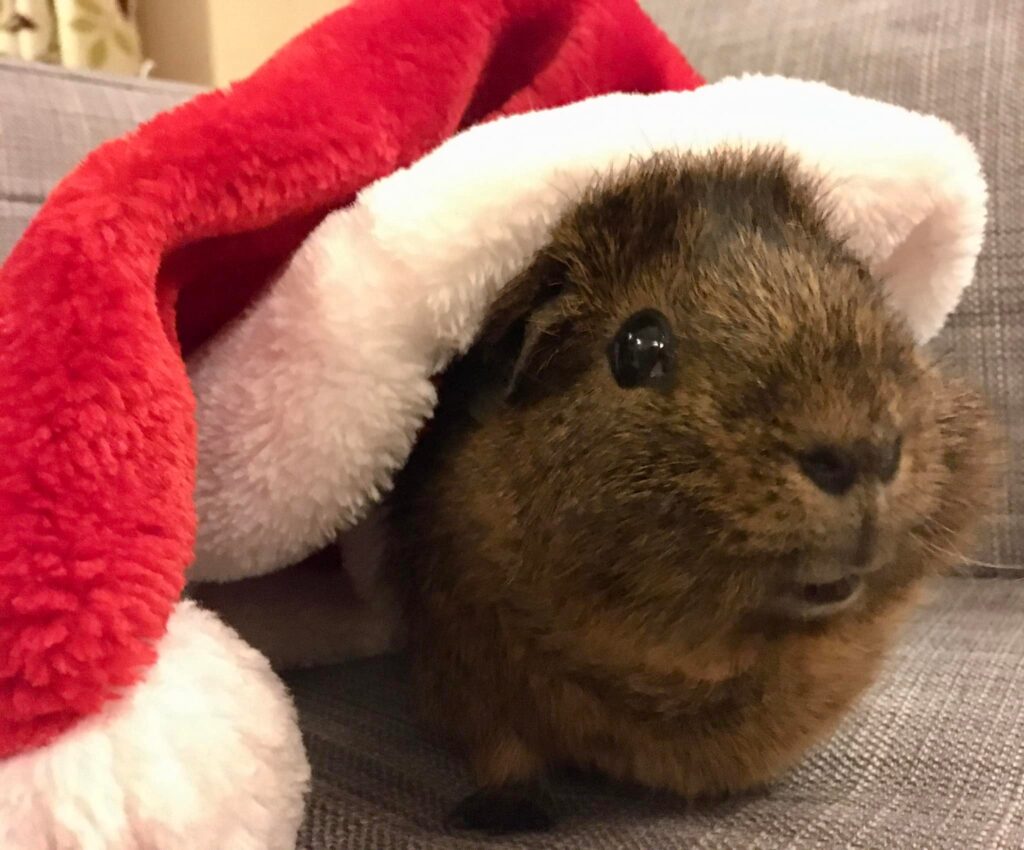
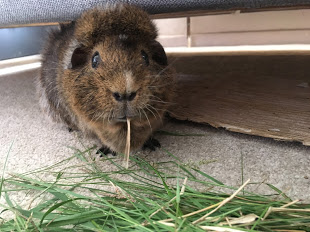
We need choices sometimes, though; to confront us into consciousness. A couple of weeks ago, one of our guinea pigs got sick, after 4.5 years with us. After multiple attempts to dropper water into him, we took him to the vet, and sadly George died there in the night. Had I noticed his discomfort too late? Should I have put him through the trauma of a vet visit earlier? You can bet we’ve been watching his brother extra carefully. I’m not sure Fred is pleased with the spotlight; he prefers food to affection.

I assume other people struggle as I do to be more present, less dulled by the daily grind. As parents we’ll always be trying to catch up with what we miss, and as writers it can be even harder to notice things, even while we’re the ones who should be super observant.

Taking Roll Call

The thing is, writers have an observing, idea-gathering mode, but also a developing mode. When we notice something that snags our interest, our body moves on but our mind is snared in what ifs, and character-building. While it’s nice to be consumed, to have that momentum, we don’t want to miss too much.

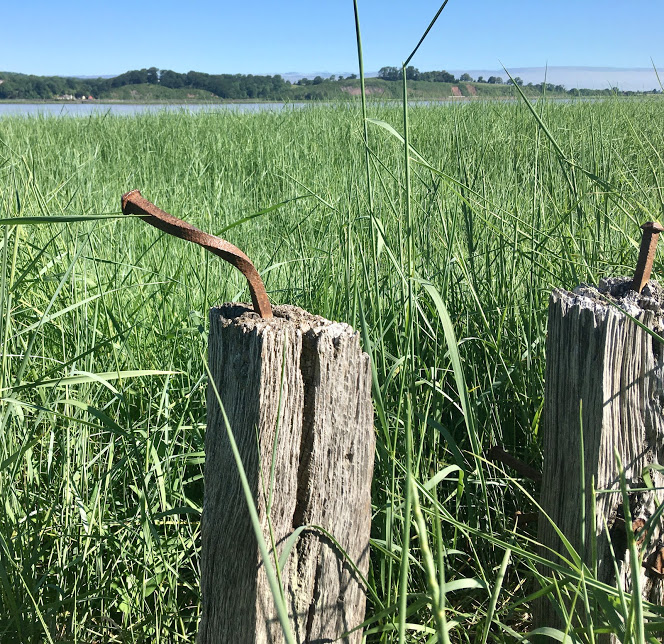
Infinite story possibilities in a rusty ship’s nail

Here’s what I’ve been reminding myself to stop and look out for, even while in the midst of plot problem-solving:

  • Multi-sensory check. Every now and then pause and concoct a quick description for each smell, sound, sight, taste and texture around you.
  • Revel in the wrong. I recently saw a typo in a Missing Person notice, describing a “balding man with a bear and glasses.” This transformed a sober paragraph about a man with facial hair to an imagined adventure with an ursine companion, and my imagination hadn’t had such fun in a long while.
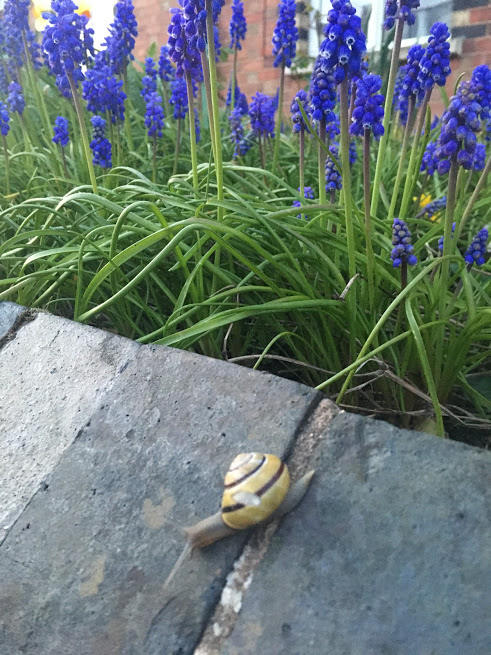
  • All creatures great and small. A ladybird straying across the work desk, snails curled around lavender stalks, their shells listing blissfully sideways, judgmental rooks and feline drama queens. It’s fun to make inferences about all their behaviours.
  • Sift through the remains. Any found object in your travels could tell a story, from a dropped shoe or stuffed animal to a grocery list. A badly repaired square of pavement, allegedly guitar-shaped, brings me happy memories of walks with my son, so truly inspiration can be anywhere.
  • Shameless use of prompts. Every day I try to come up with, for example, a sky description. Or a description of something in relation to the sky. This derives from when I used to use a sentence starter, “The sky today…” and it became habit to look out for the sky and how to portray it.
  • Keep an eye on your people. I have kept up with daily journal scribbles, primarily to leave myself reminders of thoughts and experiences shared with my family. For years I didn’t want to keep a journal, reserving any precious writing time for “real work,” pieces that might be published. Now, I’m so glad I recorded some interactions. These are the last things I’d want to miss.

What have you been noticing lately? Do you have any suggestions on how to keep observational skills sharp and make the most of the moment?

Restarting

This Week’s Bit of String: How to begin a writing day
Battle-scarred fellow traveler

Let your brain drag you out of bed.
It will have jolted you awake several times already, nervous, excited, random, clamouring to achieve release.
It’s been asking, Is this really allowed, is your partner genuinely ok with you spending a whole weekend day on writing work, will you be able to keep up with everything else, is your kid all right too (always is your kid going to be all right), am I smart enough, do I have the stamina, the wit, the imagination to get anything done?
And you’ve been telling your brain, you’ll have none of those things if it keeps waking you.
But this time you must get up, get outside, have some fresh air while there aren’t too many people for you to slalom around.
You have to feel as if you’re ready. You exercise your body to get permission to exercise your mind.
You don’t need the hoodie. No one cares if your frame is visible, if it’s gotten bulkier.
You have been working hard. You have the right to slice through space as bluntly or as sharply as you like.
The same goes for the page. You have the right to be heavy-handed in your first draft. Anything you say can only be used against you when you are ready to reveal it.
Swerve around the mud-spattered fallen geranium and poppy petals.
Nod a greeting to the other early morning travelers: determined snails and industrious blackbirds.
Indulge in the futile summoning of every cat you see, haughty after its night out.
Your legs are stretched. Your brain has been pounded into a rhythm. It has been lulled into focus.
You are prepared with snacks. Fruit and nuts, a politically incorrect tuna sandwich and some chocolate-coated pretzels.
You are an ambitious squirrel, you are a reckless, rule-flouting heathen.
You are a person of great imagination and careful planning, who has reserved fuchsia socks with penguins on them for this occasion.
The blinking cursor awaiting words on your document isn’t taunting you, it’s jumping up and down with excitement for what you’ll come out with. It adores you.
Give the page what it wants, open the cage door and pour your mind into its arms.

Back to the Projects

It’s been a while. The lockdown of 2021 was a tough one, and I haven’t had time to write for submission. After a long lapse, after constant flirtation with exhaustion, I wondered if I had the concentration for it anyway. I booked myself a writing day, using Writers HQ’s online retreat (which are wonderful and free, by the way, try them out here).

Bit rough, but the way through is visible.

There are ideas to work on. There are even plots. My goal was to finish one story, rewrite another, and edit a final one. Submissions will happen once again! It’s hard to contemplate the emotional roller coaster of submitting work when isolation has knocked you down. That was part of my issue, not to mention a dearth of submittable work, and I’m sure I wasn’t the only one. So I am building up my arsenal of stories, as well as my perseverance to once again plough through the inevitable rejections en route to some kind of success. It takes a lot of rearranging around the weekend chores and the weekday job, but I’m excited.

Daily Words

Despite my inability to write for possible publication, I have been writing every day, in my journal. Each notebook lasts 2 or 3 months, filling up with observations from my walks, reflections on current events, and details from family life. In each notebook cover I write something I want to remember for the period.

The inner jacket of the notebook I started just after Christmas says: “Small steps, long pauses, unlimited restarts are allowed.” And there did come a pause. I’m glad I told myself it was allowed. There was enough stress without beating myself up for not publishing anything.

Now I’m ready to fit in a bit of creating again. If you’re not, I hope you enjoy your break.

There’s a lot in life we can’t do over. But with writing, we can! We can stop and come back to it as many times as we like. Readjusting our balance doesn’t mean we’re not writers, any more than reworking a piece makes it less of a story. If you have to focus elsewhere for a while—let yourself. We know you’re a writer. Your work knows you’re a writer. You will meet again, in better times.

I started my latest journal a couple of weeks ago, and this time the cover has a line from an Avalanches song, “Frankie Sinatra.” It’s highly inappropriate, but I am a sucker for a catchy tune. The lyric goes, “Like Frank Sinatra bitch I do this shit my way.”

Folks, it begins.

Counting Mental Calories

This Week’s Bit of String: Full bellies, empty legs

The first time I remember eating way too much was the summer when I was 9, at a barbecue with rarely-seen, well-off relatives in Long Island. So much food we wouldn’t normally have at home, and on such a scale. My sister and I were about to start puberty, approaching the “empty leg stage” as one family friend described the ever-hungry growth spurt. But our appetites were no match for what we consumed at that barbecue. We were so full, we swore we would never eat again.

Reader, we did eat again. And speaking for myself, I have overeaten again. Sometimes, the only way to stave off despair seems to be Bournville chocolate, even though I know my heart will race and my brain will fog up.

A lot of things we think of as treats aren’t really what we need. That’s one reason I dislike the term self-care; some people apply it however and whenever they like. It’s such a vague principle. If we have an opportunity to treat ourselves, does this mean catching up with a friend or curling up for a nap? Does it mean a pint of Ben & Jerry’s or some lentil soup?

Varying Metabolism

“Self-care” wasn’t invented when I became a parent. Or maybe it was; certainly the remedies associated with it existed, but none of them were available to low-income single mothers just out of their teens. Even having self-care in our vocabulary is a privilege. Strategies ranging from socialising to yoga to massages to a decent night’s sleep are completely inaccessible for many people.

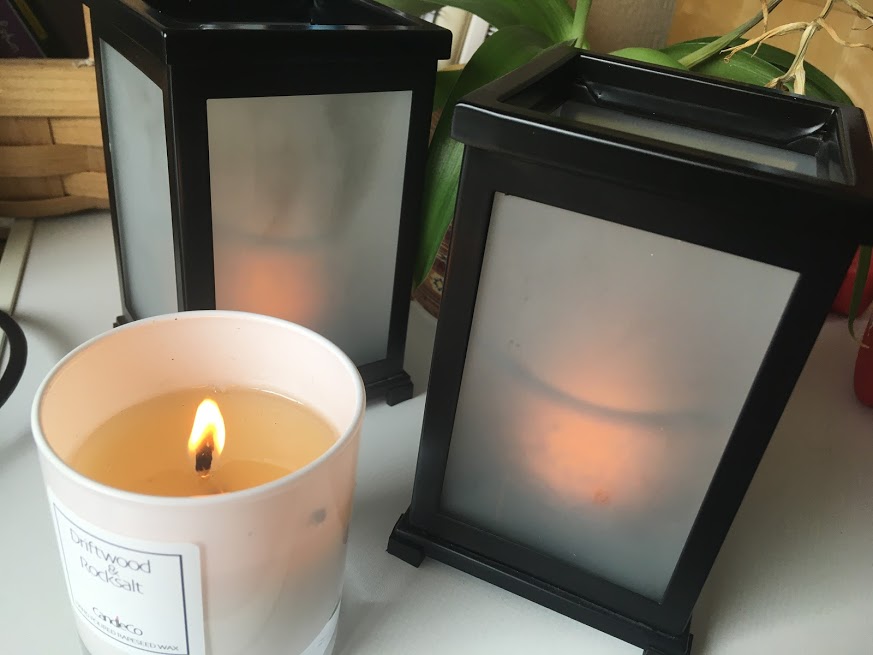
Nice smells and warm glows working from home. Gotta love multitaskable luxuries…

I often wonder how people keep going who can’t afford or schedule the things I now think of as treats. For example, what about mums from disadvantaged communities who look after kids poisoned by their drinking water while constantly campaigning to fix the problem? Aren’t they proof that I should be doing even more, not less?

I know, comparing ourselves with other people isn’t seen as healthy. It’s important to note all perspectives, though, and be aware of our privilege.

A Balanced Mental Diet

I’ve started thinking about self-care as more mental than physical, considering the mind in similar terms to the body. Perhaps mental calories are a thing. We must feed our brains in order to get motivation and inspiration. We need thoughts and stimuli from diverse sources, or we’ll suffer a deficiency. But we also need to burn off some of what we take in. If our minds get overcrowded, we struggle to function.

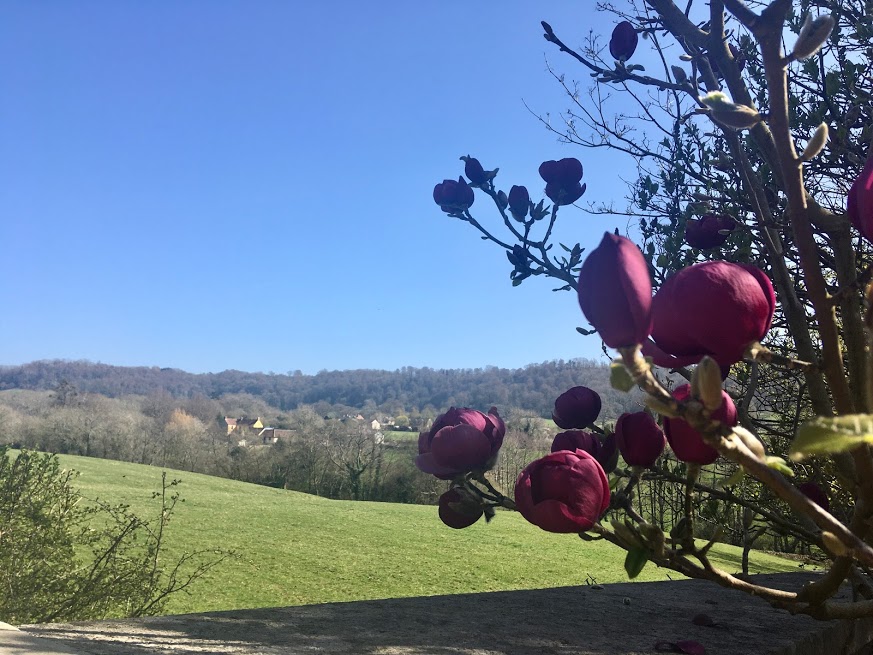
Views that nourish the mind

Different people will have different mental metabolisms. Some might shake things off easier than others. And at times we ourselves will need a higher mental intake or a more thorough clear-out than we’ve needed previously.

If we had mental nutritional pyramids, like the physical ones that used to appear on American cereal boxes, what would yours look like? Mine has rows for keeping up with my job and housework, family time and exercise (though physical it’s absolutely essential to my mental health). Some people are fine doing less each day. When I skip one thing, even if it’s to do something other people find necessary (like meet up with friends or stay in bed past 7), I will be too stressed, struggling to catch up on subsequent days.

Appreciating others’ artwork helps suspend the mental burden of trying to create my own.

And because there’s so much to manage on a daily basis, I have to burn off some of these brain calories, too. Daily scribbles, fresh air, reflecting on art or music or literature, make me feel mentally fitter, a bit more agile and able to cope. Life has been tough lately, so I need to experiment with what else might help.

By considering whether I need more or fewer mental calories, maybe I can tell what sort of “treatment” I need and when it’s genuinely required. It’s tricky though, isn’t it? The lack of real, in-person stimulation during the very long lockdown has skewed my mental metabolism. Tedious things like work and worry make my mind feel full, but not sated. I suspect a cognitive vitamin deficiency of some sort.

What do you think of self-care, and the idea of mental calories? Any suggestions for balancing it all out?

Just Keep Writing

This Week’s Bit of String: Storytelling bribery

It was the last class of the day. My 13-year-old student was still wound up from lunchtime; someone had incurred his wrath and plotting vengeance was more interesting than a Science lesson.

He squirmed in his seat and flicked bits of paper at his classmates. ‘Miss,’ he said, ‘have you ever punched anyone?’

‘Yes I have, and if you sit quietly and do your work, I’ll tell you about it at the end of class.’

The school had tried to encourage him to settle. Special daily reports signed by each teacher at the end of lessons, plenty of threats and consequences… But I’d finally hit on something (no pun intended). He kept himself cool for the rest of the session, and then I told him and his pals about how I got offended at a birthday party when I was seven years old and punched a boy I’d been friends with for years in the stomach.

Old school.

As writers, we know about target audiences. Any other anecdote would not have pressured my student into compliance. We’re always checking and re-assessing which tale is best to submit to which publication; this takes up a great deal of our precious writing time.

We also need to consider a key demographic: ourselves. Which project will hold our own focus at this time so we can develop it? When so much is out of our control, and so little available to brighten our days or broaden our horizons, not every idea will work for us right now. More than ever, we’ve got to write what we like.

Revisiting

In Britain, since October we’ve had just 3 weeks that weren’t on lockdown and there’s still at least six weeks until we can venture outside the same routes we’ve been walking for ages now. It may not be coincidence, then, that I’ve only this week written my first complete story since last fall.

I’ve had perfectly decent ideas in my daily notebook scribbling, for bizarre, dark humorous stories and feminist stories and tragedies-in-flash. But I couldn’t stick with them—not yet. If I had a few minutes of quiet to work on, you know, non-office work, I’d find myself staring at the computer until I found an excuse to Google something before shuffling off to spoon peanut butter into my mouth. (It’s not just me, right?)

Our writing can welcome us home.

The ones I manage to finish have pieces of home in them. They have youthful confidence and lakes and mountains and music like Salt-n-Pepa or Alanis Morissette played on old, fourth-hand car stereos with the windows down while driving several exits up Interstate 89 to get a root beer float.

These are the things I want, and probably need, to write about right now. There’s heartache and conflict but humour and resilience too—warmth. I’m not strong enough to dissect British daily life or examine the class structure or plunge deep into grief. It’s important that we do those things when we can, but if, like me, you’re just not up for creating such pieces right now, you can help amplify those who are: this upcoming volume of stories from the Lesbian Immigrant Support Group, for example, or Nikesh Shukla’s latest book Brown Baby.

The Places You’ll Go

There’s lots we can still do in our pages. If you’re struggling to get some work done, see if you can write something that feels less like work. Here are some suggestions:

Recreate a favourite setting: Since I can’t get back to New England, that’s become my favourite place to write about. I’m enjoying reading and daydreaming about other destinations (currently one of Peter Carey’s novels about Australia in the early 1900s), but for my writing to flow easily, I need deep familiarity, as with the place where I grew up.

Time travel: Every era has its challenges, but in recent decades at least, they weren’t the ones we have now. Set your characters at a stage in life when they might enjoy things more freely. I’ve been writing about teens who are alienated yet spunky, or about parents with mischievous kids to enliven the pages.

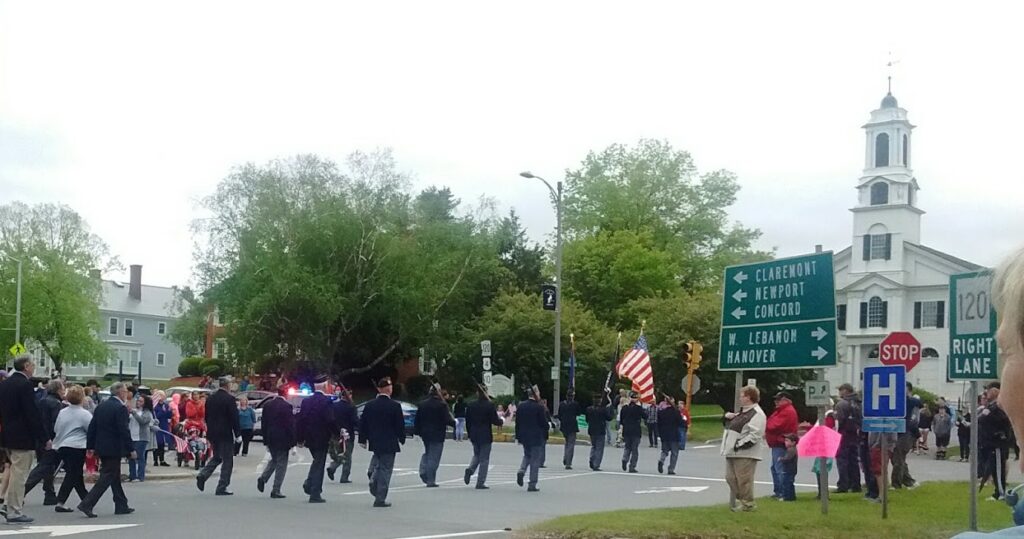
Or a drizzly New Hampshire Memorial Day parade.

Mingle with crowds: Let your characters do things we can’t. School dances, bowling alleys, mountain hikes. I find I’m not just counteracting my own losses and separations in my pages, I’m also imagining the things my son has missed out on, in his final year of school and first year of uni.

Do a remix: If you can’t summon your own ideas, twist a well-known story. You can go speculative on a historical event, or subvert a fairy tale. One of the stories I got published last year was this reversal of Kafka’s “Metamorphosis.” Following a pre-existing plot line from another angle helped me get the work done.

Use a natural progression: Seasons, holidays, milestones—these can help move your piece along. I started one story about growing up in the 80’s/ 90’s and wasn’t sure what would happen, until I used the terrorist attacks on the World Trade Center as the turning point.

Give hugs: Create on the page the relationships we’re missing out on. This year I’ll have a story published in Retreat West’s anthology that I absolutely love. I wrote it last year, about two sisters. I haven’t seen my actual siblings in over 18 months.

Life’s not easy right now. We still want our writing to be great, and to get it out there, so we’ll make ourselves think of something original or follow a trend or submission theme. But you are allowed to write what you want. Write anything that keeps you wanting to write.

Sufficing

This Week’s Bit of String: A sleepy question

Going to bed the other night, my husband asked, “If something will suffice, is it ever actually sufficient?” An interesting comment on the terms’ connotations, since saying something will suffice implies it is merely tolerable, while pronouncing it sufficient elevates it to the region of satisfactory.

He posed the question at the end of another evening when I retreated to my office corner to work overtime as soon as I finished washing the dinner dishes, so I sensed a sharper meaning. I was getting through the basics and little else.

In times like these, sufficing is lucky. I have a job to do overtime in, and can do so from the safety of my home. We have food so I can take a break from my desk to cook, and clean up after. Watching the pandemic claim lives and livelihoods while political unrest threatens my native country and nibbles the edges of this one, it’s easy to settle for what simply suffices.

These days are all about going a little easy on ourselves, being grateful for the tiniest stabilities. I think I’ve reached the point where I should strive for more, though. Anyone else?

Building on the Foundations

Unsurprisingly, both suffice and sufficient share the same root, even if in modern conversation they’re interpreted slightly differently. The Latin sufficere means not only to supply a substitute, to be adequate, but also to put under, to lay a foundation for, which implies it’s not meant to be the ultimate goal.

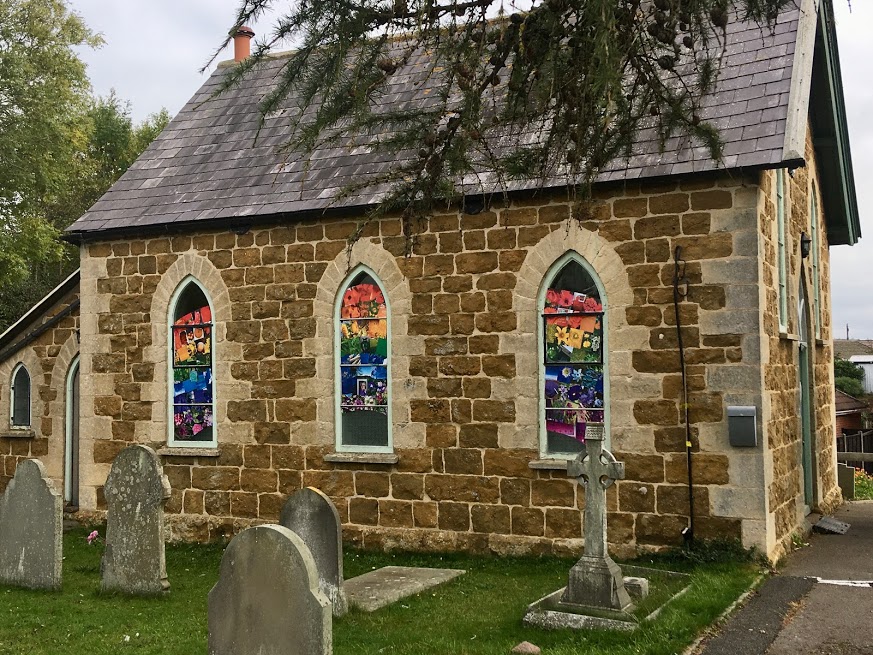
Thankfully, local artists are still bringing it: Rainbows up all over town made from photos sent in by the community

Since we had COVID in March, I get really winded climbing hills. I wonder, am I actually physically weaker, or did I feel weak a few months ago and now I expect to struggle and the dread takes my breath away? But I hike anyway, every day, and I just need to apply that to other areas of my life. To claw back time so I can go further without necessarily going faster.

I’ve written before about using art to push back against daily tedium. Why do we relapse and find ourselves not doing something so good for us? Without time to read, to explore, to learn, I feel as if I’m not even human.

This year, as things get hectic, I have managed to keep scribbling a few daily observations and ideas, so I’ve not completely silenced my writer-self. Despite getting a couple of stories published just a few weeks ago, though, I’m scared of trying to build a coherent story again, or even editing an old one. What if the latest bout of stress and the weird displacement, sometimes frantic, sometimes numb, of having my son away at university have finally snapped my brain? What if, given a bit of time, I just get lazy and choose to waste it?

I’m probably not the only one facing these doubts, so we might as well help push each other through.

Asking the Questions

Sometimes to do more, we have to ask for more. Yesterday I took a proper long hike after work, while my husband finished the hoovering for me. It felt weird because usually his day ends after the office and I do all the chores, plus working extra hours. I even shed a couple of guilty tears as I tromped along.

A Lake District climb I managed (just a bit more slowly) during a break a little while ago.

When I left him he was happy helping out. But sometimes we cling to a delusion of being The Only One to get certain things done, in our families and in our work. Telling ourselves how needed we are becomes simpler than asking what we really need—or don’t—in our lives. Feeling the late afternoon sun and smelling the autumn leaves, I wondered why I didn’t put Get Some Fresh Air During Daylight on my to-do list for the day. It was terribly important.

One area I’ve probably been insufficient in is my social life. As an immigrant, who became a parent at age 20 and has almost always had to work full-time while also attempting to forge a writing career, you’ve got to cut me some slack. Still, in over 7 months I’ve spent time with people outside my household only 7 times. That includes co-workers, and it includes family members apart from the 2 (now just 1) I live with. Bit shoddy, I admit.

I tell myself I have to devote free time to supporting my family and trying to write. Maybe I’ve reduced my life to a series of mercenary calculations on what will benefit me. My figures might be incorrect.

And this is where we do need to be flexible with ourselves. With life in chaos, we must allow adjustments. There’s no point wondering why the structures we once set up aren’t working; we have to re-balance. Ask ourselves honestly what needs to go so the true essentials can take precedence, because if we want to do better at one thing, we might need to let another lag. We deserve a chance to try, but thankfully we’re probably not so important that the world will end if we reprioritise. By letting someone help us out now and then, we might be helping them feel more sufficient, too.

Friendly Reminder.

Wait for It

This Week’s Bit of String: Heartbeats down the hall

“Just wait here while I check something.” It’s not what we like to hear at a doctor’s appointment, but I had bigger worries. Twenty years old, 7.5 months pregnant and still chronically nauseous, single and forced to drop out of college, desperately missing my ex-boyfriend and working 45-50 hours per week on my feet in 80-90 degree heat, I now had a fever and was just tired.

The doctor disappeared from the little exam room into the indecipherable warren of the obstetrics unit. If I refused to wait, I’d never find my way out, but at least it was air conditioned. I rested my elbow on a table of magazines and closed my eyes while my son did chinups on my ribs.

Somewhere in the labyrinth another expectant mum listened to her baby’s heartbeat. I could hear the Doppler machine through the walls, a steady rhythm behind my exhaustion.

Worth the wait, then the unending watch

And a woman’s voice, maybe the mother, maybe a companion, maybe a hallucination. Her chatter flowed high and melodious. She broke off to laugh, and in other moments broke into song: “On My Own” from Les Miserables. A languid, lonely line or two then more cheery talk, while the baby’s heart sounded.

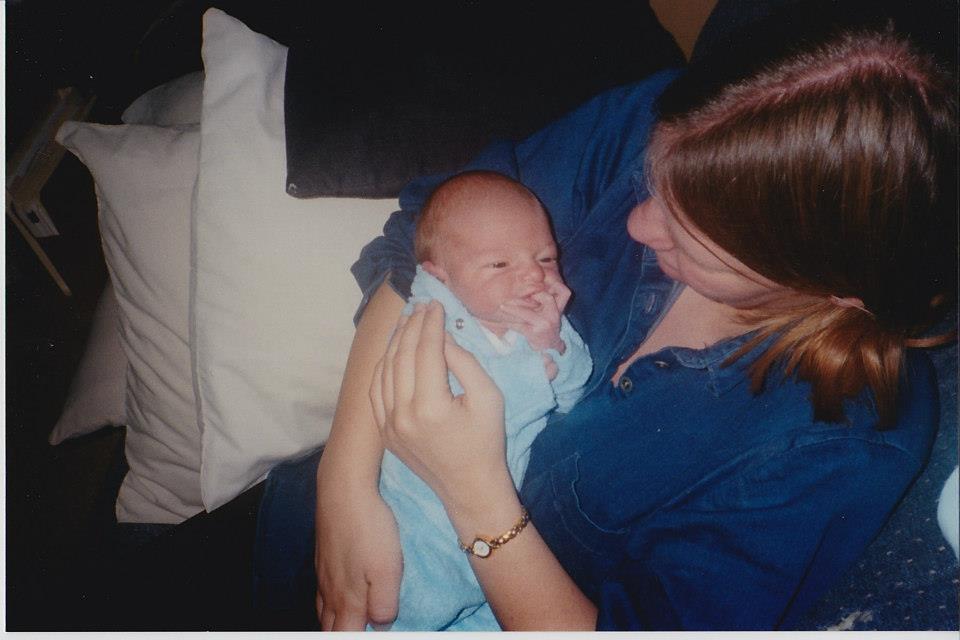
When I first found out I was pregnant and got dumped (we married way later though, so don’t worry) I often wondered how I’d make it through months of this uncertainty before holding my baby. Waiting is hard, especially when everything else is a mess. The waiting and the uncertainty are huge emotional drains during the pandemic, don’t you think? We don’t know when we’ll be reunited with distant loved ones, we don’t know whether the economy will sustain itself, or indeed whether pasta will be available at the next grocery trip.

In this environment, we wait for my son’s A-Level grades. Until next Thursday, we won’t know what university he can go to, or where he’ll live, or how long he’ll need to stay there. It feels like a high stakes waiting game but I’ve gotten better at this.

Practice Makes Perfect

Writers do a lot of waiting. We wait for feedback from beta readers, for competition results, acceptance from agents, publishers, literary magazines, we wait for reviews and we wait for regard. The competitions we enter in May may not give us results till October.

The other thing we wait for is availability. Time spent on the day job or on housework or even socially can feel like waiting, biding our time till we can be alone with our ideas and mould them into art. Certain distractions can be helpful, and at other times they make us resentful. I’m worst at this kind of waiting, the when-will-it-be-five-o’clock-so-I-can-finally-write-down-the-flash-piece-I-invented-during-my-lunch-hour-hike kind. Is producing thousands of pounds worth of energy bills really more important that delving into the imagined world of Jemima Deadly, Chef to the Celebrities, and her Biscuits of Doom? (One of my current short stories in progress.)

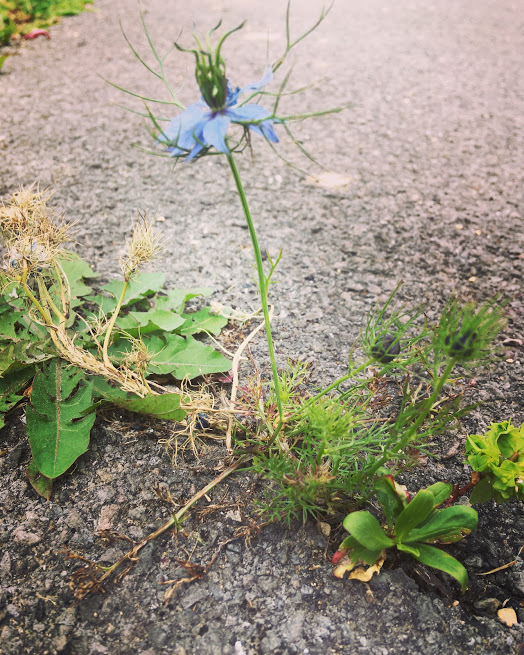
Blooming through the cracks

Leading this double life helps us cope with waiting, though. By learning to pause the flow of words so we can crunch numbers or strike up dinner conversation, we know how to compartmentalise. We send a story off somewhere, padlock the mental exam room where we birthed it, and wander through the warren in our brain to a different one.

From a chamber deep in our minds is a steady pulse: Must write. Must be heard. And with it surreal strands of song and laughter like a siren’s call. While we wait, we work on new projects. As the longlist and shortlist announcements approach, we enter that original cubicle and rifle through it: what will we change if it’s rejected? Where will we submit next? How will we promote it if it’s actually successful? I ration myself a few minutes of daydreams per day, then dash away from them on a torrent of Plan Bs, Cs, and Ds.

Passing the Time

Waiting is not a passive act. It’s a discipline. The origins of the word come from the terms for being awake, for keeping watch, and even earlier than that, from pre-English for “to be strong, lively.” In addition to stocking up on alternative submission possibilities and indulging in the occasional success fantasy, how do we maintain our strength during the rigorous wait?

Release your inner magpie: Go out and gather string, writers. Chase shiny things. Diversions are better than anxiety. Your story’s out of your hands for the moment, so relish the opportunity to invent a new one.

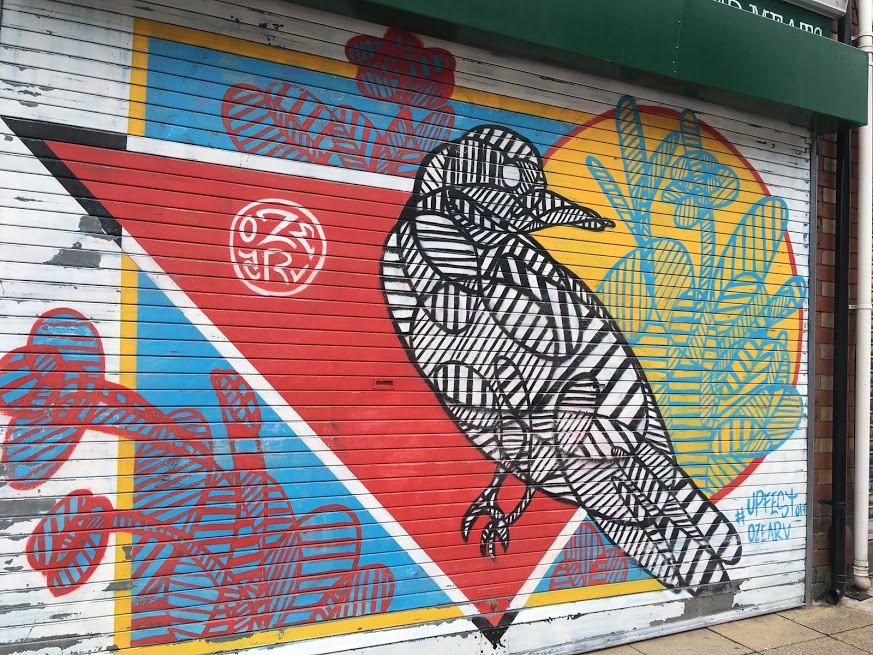
Street art, Southville, Bristol

Be practical: Plan where to submit next. I don’t like this part of being a writer, because seeking opportunities robs from the limited time I have for creating. It feels like that bad kind of waiting. But it is important, and when it’s done there’s the hope of new chances.

Stock up on positives: When you have doubts, send your work to friends, read it at a writers group, share a line in one of Twitter’s writing hashtags. It’s not the same as getting a contract or a prize, but encouragement always helps.

Remember others are waiting too: Everyone’s got something they’re keeping watch for. Support other writers and creatives so the wait doesn’t feel so long for them.

Poke your head up: Use the time to catch up on other aspects of life. We don’t want to find we were waiting for the wrong thing. I remember so little about when my son was a baby, I was so lost longing for his father.

I’m glad my son has had to practice waiting. Most 18-year-olds don’t go half a year without structure and yet manage to remain pleasantly functioning. He’s made new music, learned Italian, baked bread, set a record for speed running Lego Star Wars on ds, been an all-around best bud while I’m working from home. Whatever university he gets into, he’s ready to throw himself into it, with the knowledge that if there aren’t immediate results he can persevere.

It will be worth it. He was. And just as I survived that little fever and the long wait for his birth, and the wait to be a family, and the very busy wait to see what he’d be like as he grew, I guess I can survive the wait to see him at the end of his university term. With parenting, as with writing, when one wait ends another begins. But I think, after all we’ve been through, that one of the lyrics I overheard in the obstetrics waiting room is true: “Without me, his world will go on turning,” and this time that’s a good thing.