The Wow Factor

This Week’s Bit of String: First fireworks

When my little Bear was 2.5 years old, my best friend and I took them to the 4th of July fireworks in the biggest local town. The Outing Club rocketed the fireworks from their ski slope over the surrounding valley, and we were running late as ever so were just trotting down the opposite hill when they started.

The colourful explosions put a skip into Bear’s step. They cried, “Wow! Oh, wow!”

I don’t think I’d ever heard them say that before. Such excitement is to be cherished and never forgotten, and fully warrants the nearly-taboo exclamation points.

Like the time after school once, a few years later when we were settled in the UK. Bear and I were walking back from town, they were maybe 6 years old, and a harvest moon rose, big and yellow. Bear stopped in the middle of recounting some kind of ds game or Star Wars scene to me, and broke into applause for the glorious natural phenomenon.
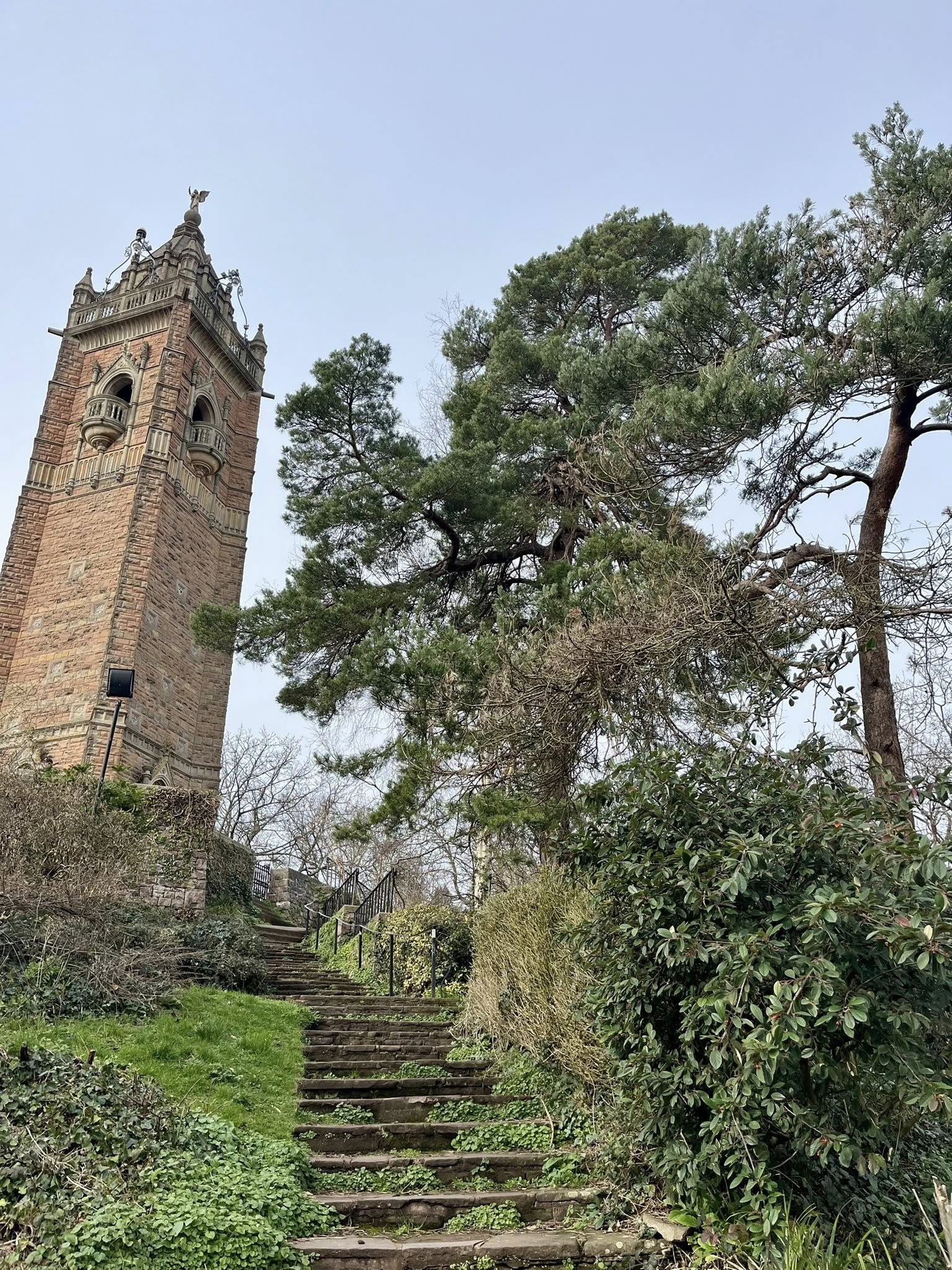
Cabot Tower on Brandon Hill, Bristol

It’s so important to put ourselves in the way of moments that produce this type of reaction, even if it’s a daily event like the moonrise. We mustn’t lose our capacity to be impressed.

During half-term this week, I’ve mostly been working on writing and reading and weeding and cleaning. But I did abscond for a day and take the train to Bristol for a good wander. I climbed Brandon Hill and Cabot Tower to look out over the city, had a roasted white hot chocolate from Mrs. Potts chocolate house, and mooched around Bristol Museum and Art Gallery. Plenty of Wow Factor there, from Assyrian tablets to ichthyosaur bones to all kinds of crystals and then more paintings and artefacts.

I could have stood for ages in front of James Tissot’s oil painting Les Adiuex (The Farewells) from 1871. The detail of the woman’s lace gloves! The clasped hands and the faces agonised by separation. But, there were other gallery visitors and it’s only fair they should see the painting as well.

Vacationing

When I was out and about in Bristol, there were lots of families trying to keep entertained there. Two siblings behind me on the train really liked the Arriva Train Care centre near Temple Meads station, with its sidings flanked by giant car wash brushes.

“That is so cool,” they kept saying.

And as I wandered at Bristol Harbour, I heard excited young people mistake the boats for the Titanic. At Millennium Square a boy on a scooter, maybe already in the early years of secondary school, freely told his friend, “I love these fountains.”

I’d almost forgotten what it’s like to hear kids enjoy themselves. At work we’re becoming pretty rundown. The students are so unmotivated and in a few cases, unpleasant. That said, my experience is mostly within the special needs area. Many of our students truly struggle, and exams ask almost too much from them.
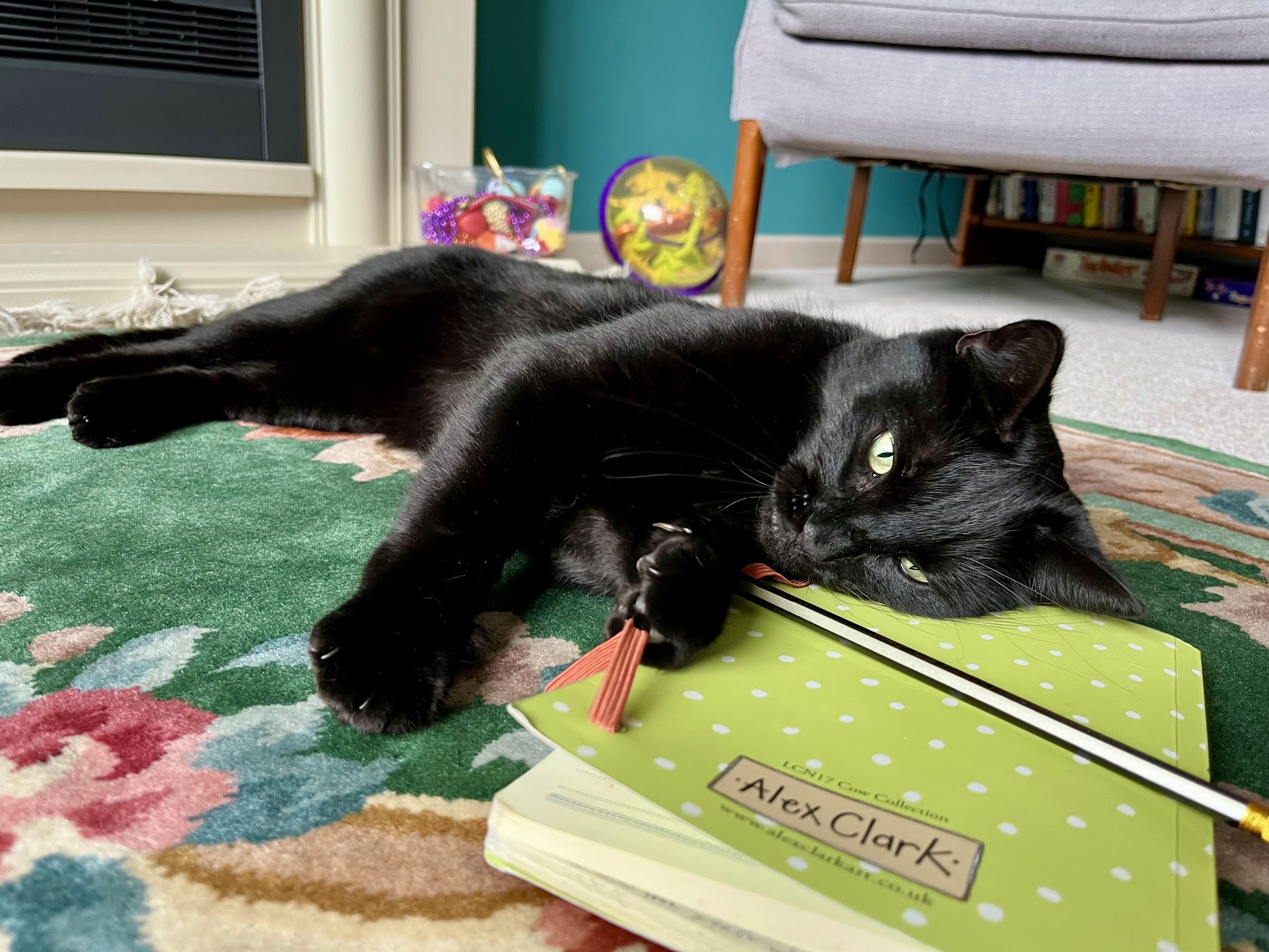
Obie, however, is ready to try being a writer and a scholar.

Other students will experience school differently. On the last day before the break, quite a few of our statemented kids were out (there’s one boy in Year 10 who is marked “ill” on the last day of every single term—intriguing, no?) so I ended up in a top-set year 10 English class.

They were reviewing GCSE war poems they first learned last year, so I took a small group to go over “Kamikaze” by Beatrice Garland. It tells the story of a Japanese pilot who was supposed to commit kamikaze. But he changes his mind, and goes home instead. He chooses life, and his family can never forgive him. His neighbours and his wife, ultimately his children, refuse to speak to him again because of this dishonour.

I read the poem to a group of 4 students I’d never met. The last lines go: “And sometimes, she said, he must have wondered/ which had been the better way to die.”

The boy next to me said, “Wow. That was really—wow. You know?”

Rejuvenation

It’s just nice to share that reaction sometimes.

Although I always have some kind of deadlines and a long to-do list, the half-term week off from my day job at school is lovely because I can do it all with a bit less rush. I can pretend that writing is my main work.
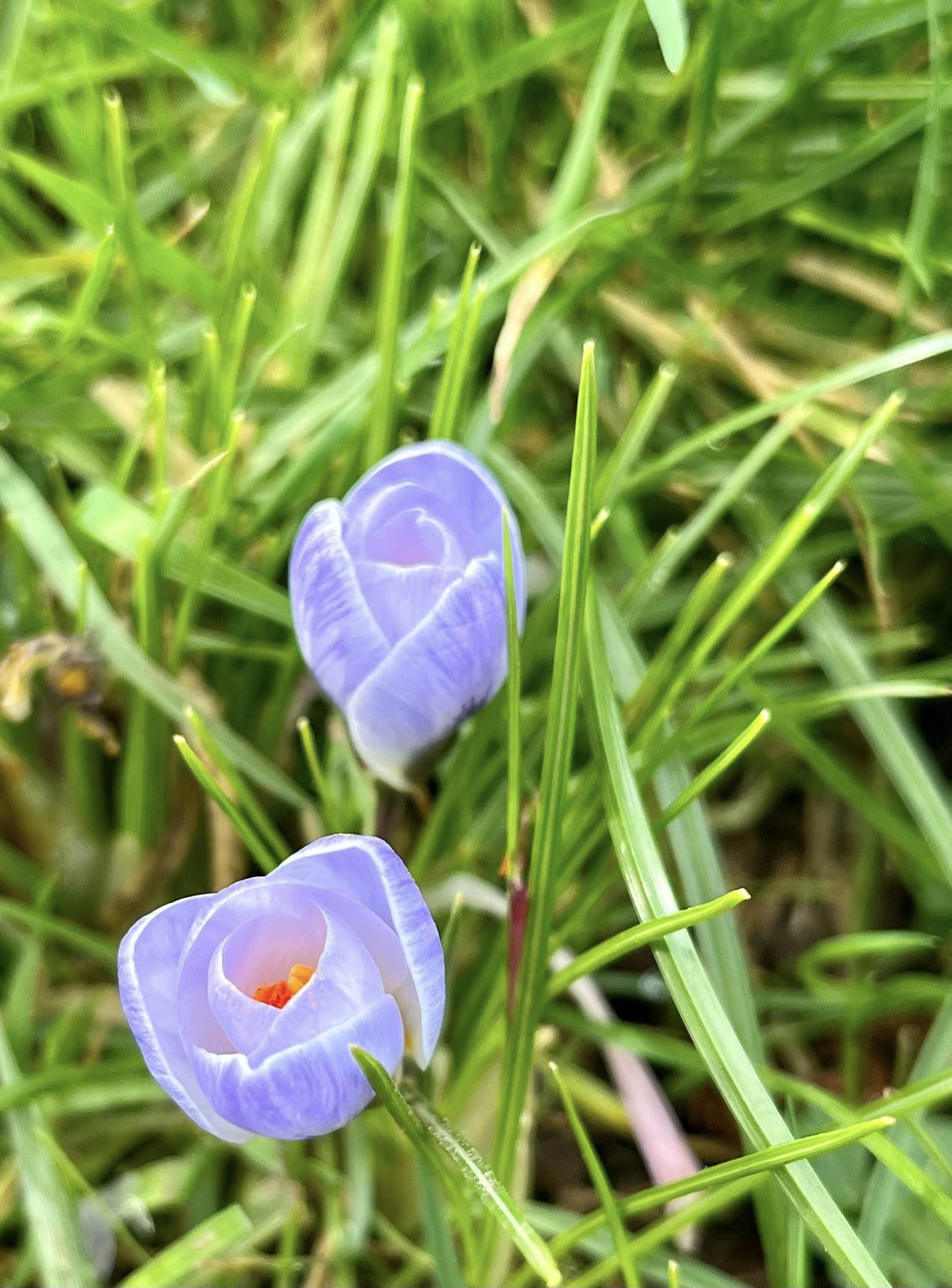
It’s like they’re glowing!

Sometimes, a lack of spare time can make us more productive. We are aware of our limits so we optimise any opportunity to write. A sudden extra helping of free time, as at half-term, might make us more reckless and we squander some of that time. There’s truth in that.

On the other hand, not being rushed can give us some creative freedom. I might enjoy writing more when I don’t have a million other chores hanging over my head, just as those poor kids on half-term can go out and enjoy themselves.

And maybe, when we all return to school tomorrow, those of us who sought and were privileged to find inspiration will have some new energy and tolerance so we can keep trying to pass it on. When I climbed Brandon Hill in Bristol, the views from the tower were pretty great, but so too were the crocuses close to the ground. It reminded me there’s excitement and beauty to be found all over—maybe we just need a little break.

What makes you say “Wow?”
Halfway to Ninety

This Week’s Bit of String: Making it to Europe

When Operation Desert Storm began in early 1991, my aunt, a nurse, renewed her passport. If necessary, she’d be sent to military hospitals in Germany to assist wounded soldiers.

I was ten years old, and jealous. Forget the desert, the storm, the war. Germany made me think of Alps and castles and history. I wanted in on the adventure. 

I remember moaning at the kitchen table, “I’ll be an old maid by the time I ever reach Europe!”

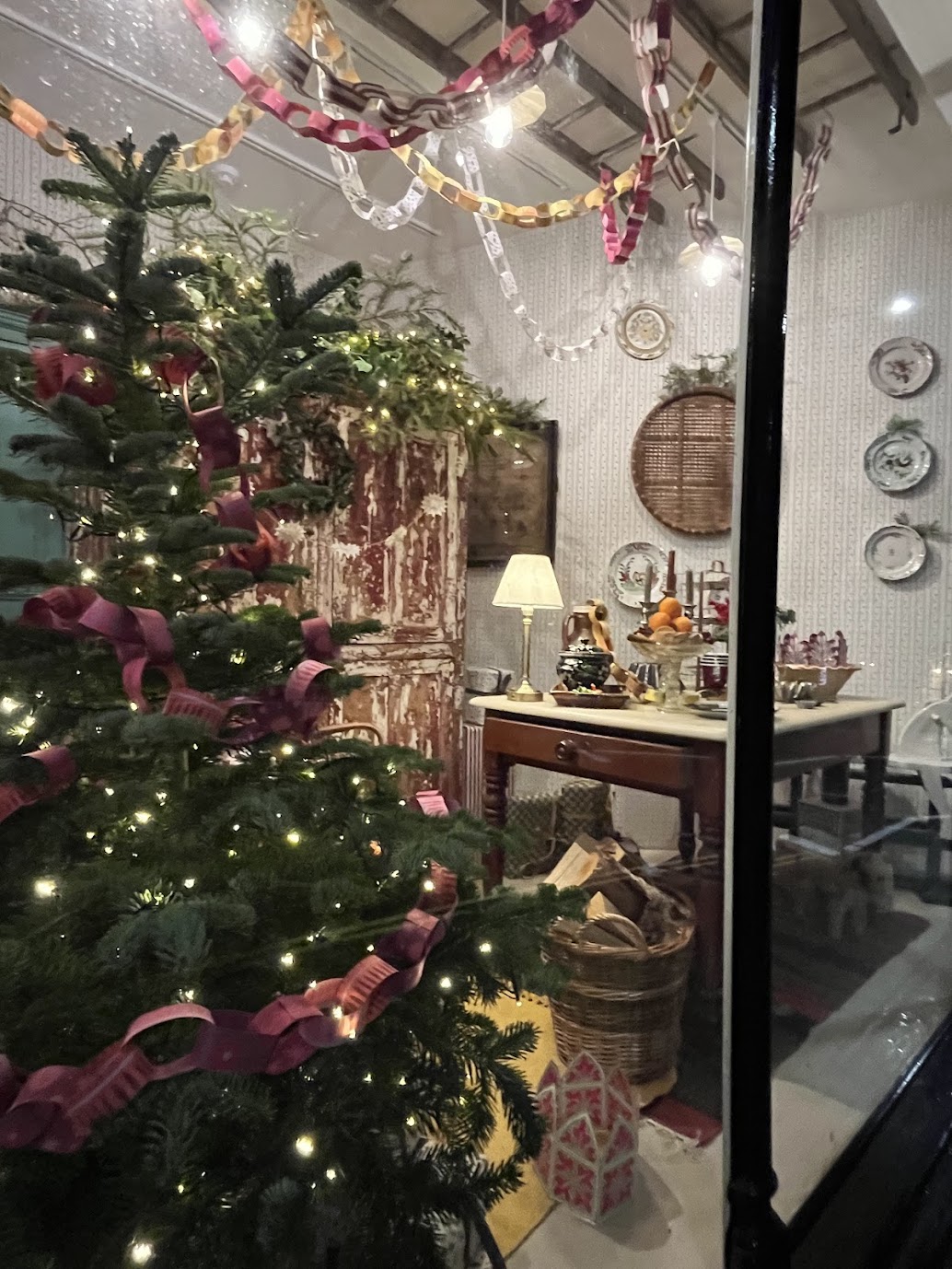
Christmas in a Cotswolds shop

In fact, I’ve lived almost half my life on this side of the Atlantic. I first visited the continent when I was 19, and I may have felt terminally single when I arrived, prematurely an old maid, but I returned to the USA [unwittingly] pregnant. Eventually, marriage anchored me here in the UK.

Life can certainly twist. I decorated for Christmas last week, hanging the stocking my mother embroidered for me, and the one she made for my husband. My Baby’s First Christmas 1980 ornaments from when I was 11 days old are on our Argos-ordered tree, and I bet my mom didn’t imagine they would travel this far. 

I turn 45 this weekend, and while it would be nice to have a few more publications to my name, I’m quite content. I’ve had the wonderful excitement of being a parent, plus occasional travel, and my job certainly isn’t dull. 

I like the sound of 45. It makes me think of a speed limit that’s high for a town centre or residential street, but just about too cautious for the highway. That suits me. I’ll be celebrating with an Italian meal in a Cotswold town, and maybe carol-singing at the local pub after. If it’s not pouring rain, I’ll have a long hike to a nearby town and write there for a couple hours the day before.

Paragraphs After Paragraphs

At work the other day, the bottom set Year 10s were working on narrative and descriptive writing. It’s for the 40-mark Language GCSE question, so the teacher insisted they write at least 5 paragraphs. That sounds impossible to them. 

The scruffy little rugby player banished to the back corner learned that I write stories. He asked, “Were they long, what you wrote?”

Laser-focused

Over the whole of my life I’ve probably written at least 5000 pages of story drafts by now. Counting my daily scribbles, it might be 10,000 (admittedly not all A4 sized).

We had this conversation as I encouraged young Mr. Rugby based on what he’d already written. He’d done three short paragraphs, and I’d never seen him so focused. It was hard work for him, but something must have gelled. In Maths and Science, he’s so distracted by other students’ antics that he barely does any work at all. 

I’d been urging him to view concentration as a muscle that needs building. “It’s like how you do drills with your rugby team, right? Let’s see if you can go thirty seconds without looking away from your work. Then a minute.”

I’m not sure this has caught on yet. But every now and then, it’s worth testing my own focus “muscles” as well. I spend the majority of my time trying to cross multiple items off a to-do list at once. With the weather worsening and the holidays approaching, it’s extra busy in some ways but it also feels like an ideal time to slow down. 

Adjusting Speed

I always re-watch the extended version of Lord of the Rings as the nights draw in. I can’t imagine watching the more concise version; I want to be immersed in the epic worldbuilding and character development. But I also have the decorations to put up, shopping to do, treats to bake, on top of the usual commitments, so for example last year, I was hanging ornaments on the tree while Return of the King was on, and I had to pause with angels dangling from my fingers to make sure I took in the wondrous lighting of the beacons.

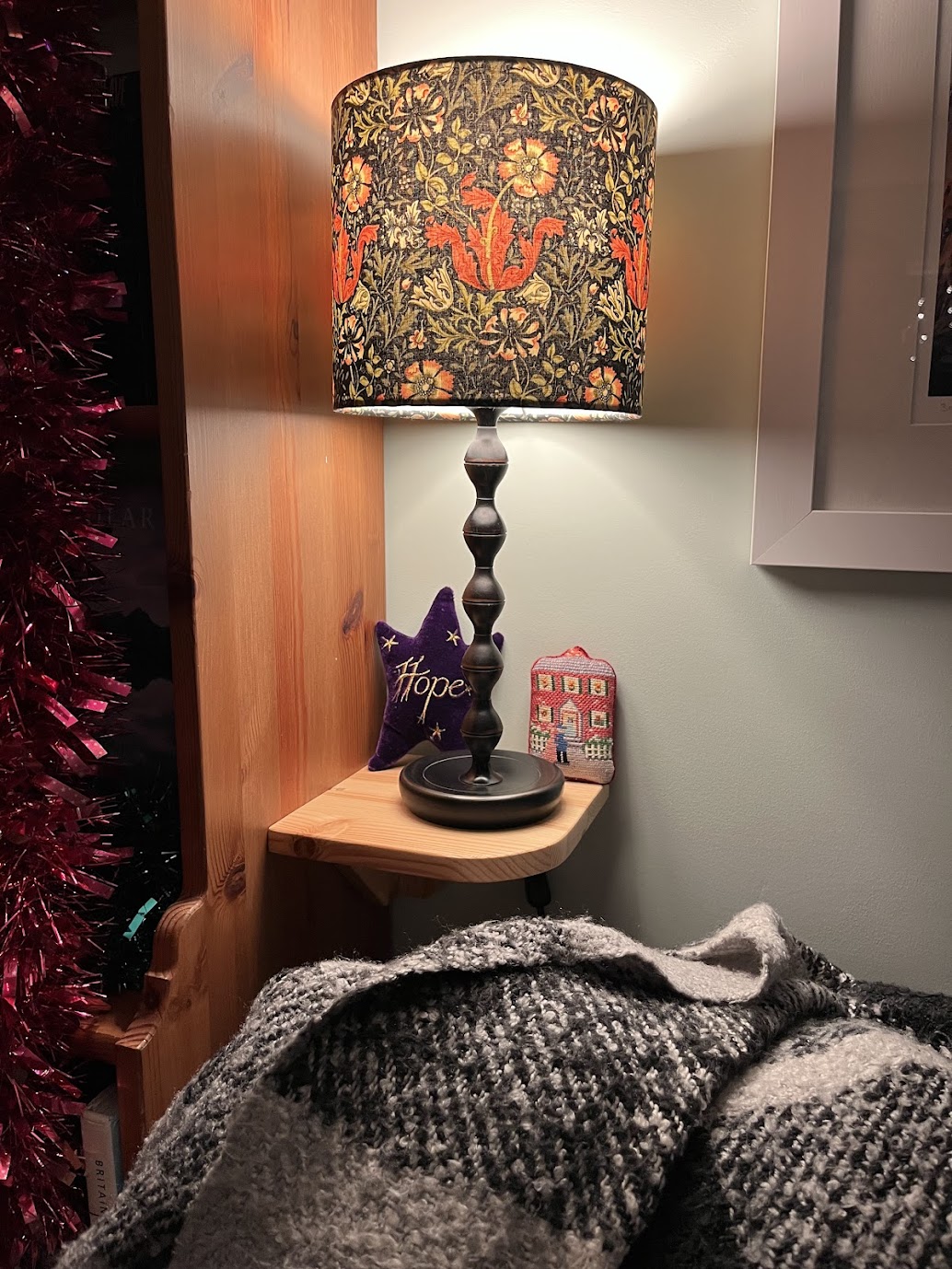
A cosy corner near the couch where I mostly do my writing (and reading)

This year, somehow I managed to be still for long portions of the films. I wasn’t even scribbling or answering messages on my phone or using the Mahjongg app. I’d lit candles, my own mini-beacons, and I just curled up to watch the story unfold.

It felt luxurious. I did the same, briefly, when I put Frozen on the following weekend. What a treat to train undivided attention on the opening scenes: the view through the ice, the sunrise and aurora colours. I miss the wintry terrain of home sometimes, and I marvel at how this Disney animation captured the slightly porous, ridged contour of the ice chunks.

I’m also treating myself to sink into a reread of Erin Morgenstern’s The Starless Sea, which I read just a year ago. But I craved the sumptuous layers of stories and magic, and wanted to see what I can pick up from a second read. 

I still have big plans of course, for Christmas and for the next year. Hikes and excursions… In 2026 we’ll be taking a little trip to France for a Jazz Festival, and I’ll visit my family. Even when I feel a bit worn out, there’s some part of me aching to keep exploring, to keep making the most of each day. I’m just reminding that intrepid young part of me that slowing down and enjoying a moment is pretty worthwhile, too.

 How might you take things a bit slowly over the holiday?

Writing Showcase

This week Lou Wilford, a fellow writer I know through reviewing and critiquing groups, has featured me on her blog as November’s Showcased Writer. Lou writes with wit and humour, so her own monthly blog posts are terrifically entertaining.

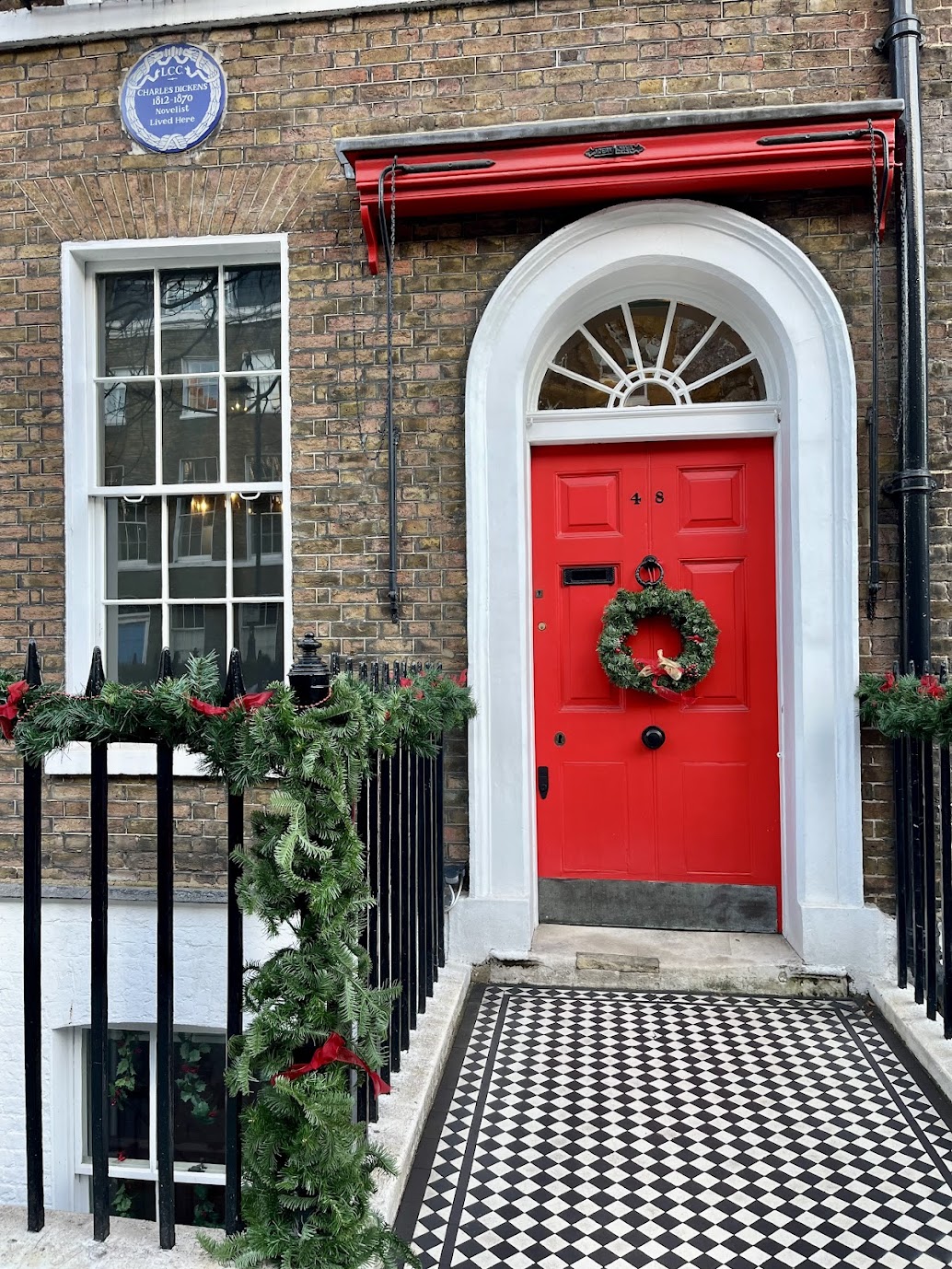
Dickens Museum, Doughty Street, London

Follow this link for my interview and a couple of stories. I enjoyed reflecting on Lou’s questions. We cover my influences and processes as a writer; what it means to be “cultured,” and the unfortunately valid question: “Are writers selfish?”

I selected my story “Centuries, in Burnt Sienna” as a sample to include in the showcase. I wrote it in 2020 and it was published in 2021, but I find myself going back to it when the world seems particularly tumultuous. Two sisters come of age in the 1980s and 1990s, and while they experience the terrorist attacks of September 2001 very differently, it ends their rivalry and brings them closer than ever before.

It’s a total classic, rich in taste and colour imagery. Also featuring pioneer Barbies at risk of dysentery, and a puppy named Periwinkle.

So anyway, that’s all I’m publishing for this fortnight. It’s handy timing. I worked hard on the interview questions and such during my flights at the end of October, and the work pays off a month later as I’m busy making Thanksgiving pies. I’m also fresh off a madcap romp through London, walking 13 miles in 8.5 hours to take in as many festive sights as possible. I expect I’ll be writing about that a bit in my Seven Wanders of 2025 coming up in another month!

Happy beginning of the holidays, everyone. Do let me know what you think of the interview. What makes a person cultured? And should we allow creative types a bit of selfishness?

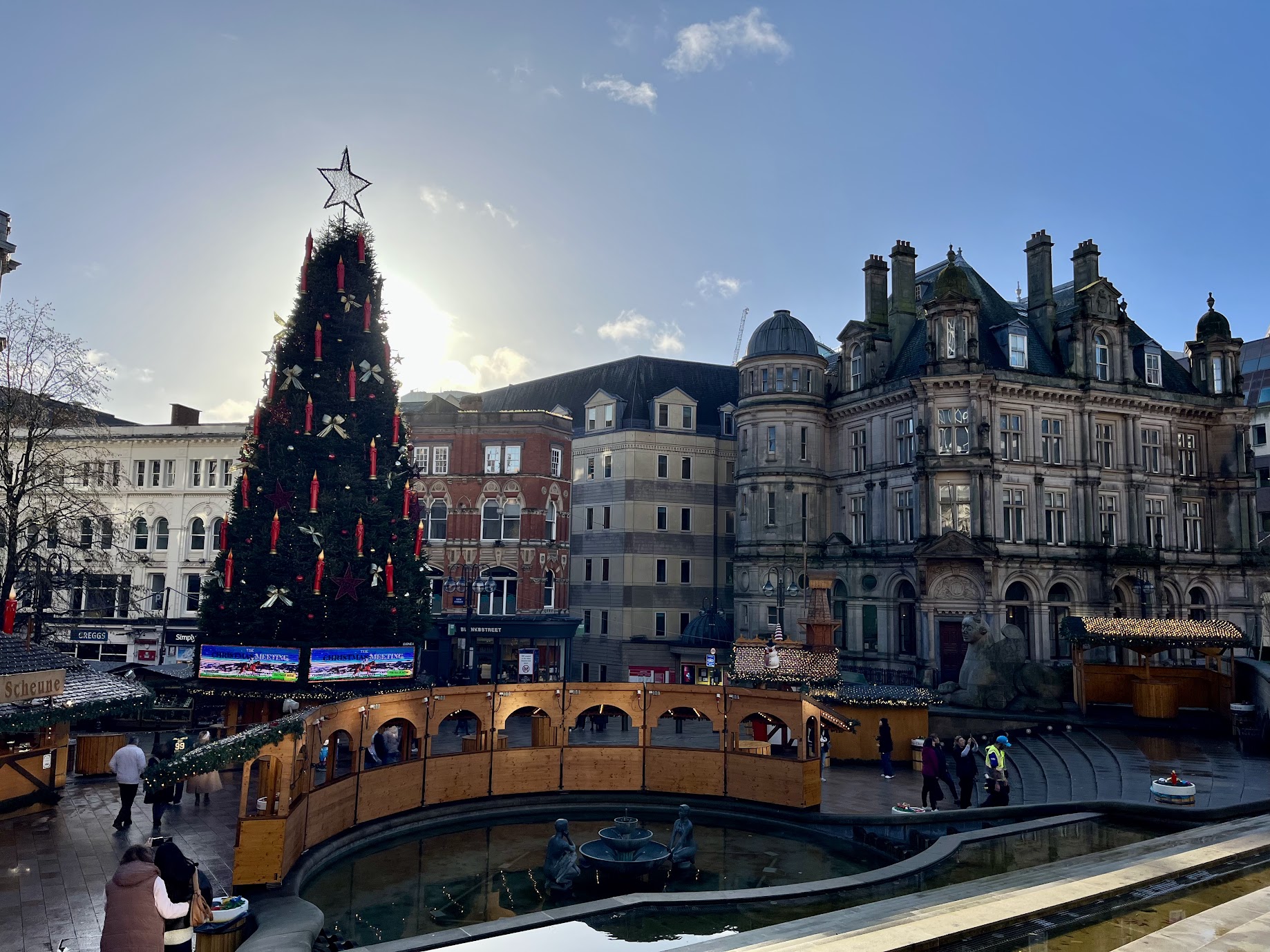
Oh, we were in Birmingham a week ago, too. All over the place these days!

All Over the Place

This Week’s Bit of String: Expanding brackets

Back in school for the Christmas term, I spent 40 minutes working with a student on algebraic practice expanding brackets. Guiding him to multiply each bracketed term by each term in the other brackets, explaining why we’re multiplying here.

He was making progress, starting to remember a couple more steps as we moved on to the third problem of his online homework—and then he was sick of it. He insisted on guessing, repeatedly and incorrectly, stabbing the keyboard, for the fourth problem.

I sputtered reminders that he could work out the right answer if he tried.

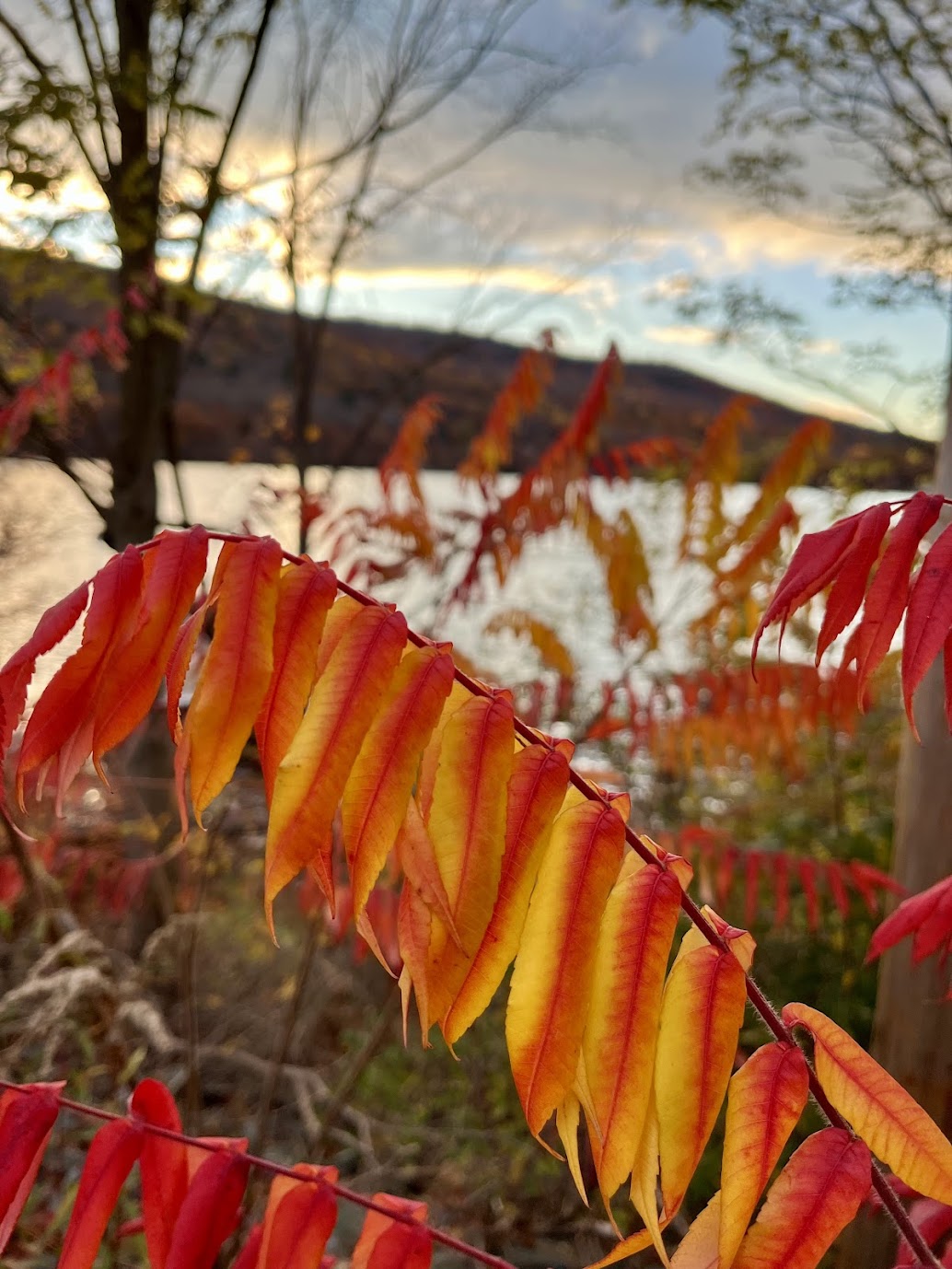
Autumn leaves at Mascoma Lake, New Hampshire

He stabbed another wrong guess. “Miss, I just saw, like, three stages of grief pass over your face in one second.”

He may well have seen anger and bargaining and depression, but his comment then immediately made me laugh. It’s fitting, I suppose. It’s been a very busy couple of weeks.

Across the Ocean and Back

Just a week ago, as the half-term break ended, I arrived back from the USA. I published my previous blog post from Heathrow Departures on my way out, and spent the entire flight westward on writing tasks. Caught up on the latest Mslexia issue, scribbled about the journey, and wrote answers to interview questions for a Writers Showcase I’ll be participating in at the end of the month.

I made the trip for three reasons: to be with my family as we cope with bereavement, to start finding some private closure for myself, and to help out in any way possible. My parents are now in charge of my aunt’s house as well as their own, and my autistic cousin is now a wonderful part of our family. There’s a lot going on.

For example, on my first full day there I woke up at 4:15 a.m. and started scribbling about the previous evening’s reunion with my family. At the vaguest sign of daylight, around 6:45, I embarked on a 5-mile hike. I started in awe of the New England autumn colours which I haven’t seen much in 22 years and eventually made my way to the cemetery where I had a good cry at 8 a.m. over the family graves. I thanked our lost loves for giving us such good examples of how to look after each other.

A view to my grandparents’ old house

After helping my mom with weeding, organising the pantry, and then hoovering up cobwebs from the basement ceiling, we left my aunt’s house for my parents’ and met up with my brother and his kids, plus my kiddo and their fiancé, for raucous family times. This included, among other random moments, me bouncing my niece on my lap while singing a sped-up version of a Sunday school song about Daniel in the lion’s den, in honour of my cousin’s middle name Daniel. Junie demanded it twice more.

And that was just one day! It was a wonderful week, I managed to squeeze a fair bit in, although it feels surreally separate from my back-to-term life. Despite the lack of sleep on the overnight flight home plus hints of jet lag, I made it through this past week at school while also cleaning my own house this time, running the BlueSky channel for Women Writers Network, critiquing 3 different pieces for other writers, editing the opening section of my new novel to submit that for feedback, starting my Thanksgiving cooking, and writing this masterful piece.

Ups and Downs

My day job itself is a microcosmic whirlwind of emotion. I’ll spend an excruciating hour with a student who refuses to go to classes so it’s down to TAs to educate her 1:1. An hour despairing of my career choice while she refuses to do anything while she glowers at her phone under a fur-lines parka hood. Try to make conversation and half the time I’m met with a sneering, “You WHAT?” The next hour, I might be fortunate enough to attend a Photography class, prompting and scribing a student’s self-evaluation of his work while a couple other boys in the class exchange corny jokes.

“Miss, what do you think of this one: What did the first hat say to the second hat? —You stay here, I’ll go on a head.”

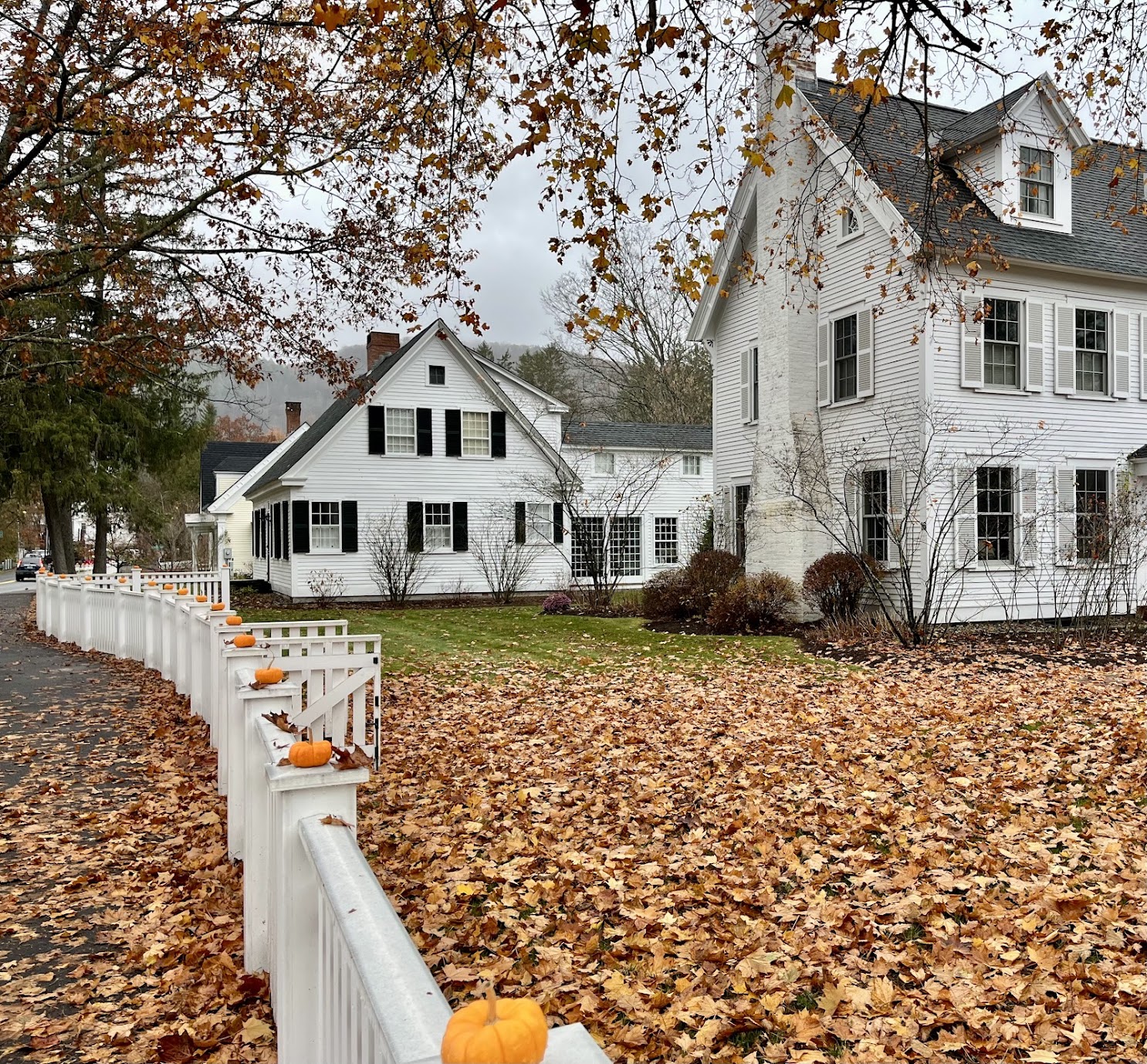
Woodstock, Vermont

I told my husband’s favourite joke which involves an elephant impersonation so I could never do it justice here. This surprised the boys so much, they cracked up. Meanwhile, my student tried his best to bite his smile back and I could claim my revenge:

“Pretty sure I just saw all five stages of grief pass over your face when I told that joke,” I quipped.

While acknowledging, and celebrating really, that our lives are made up of such emotional tempests, and that progress is often two steps forward and one (or two or three) back, I don’t necessarily like that portrayed too realistically in a book. I like a story to have a fairly orderly trajectory.

Yes, the protagonist, having been made suddenly aware of a problem during the inciting incident, will over-compensate and mess it all up. Yes, all will seem lost at the midpoint and they’ll have to rally again. But it irks me when a writer reconciles characters just to fall out over something else, for example, or gives them a crucial self-realisation only to forget it in the next chapter and have to learn it again. This seems common in stories of middle-class angst.

Maybe my intolerance makes me a selfish reader, but I don’t need fiction to resemble real life that much. I can read about real, sometimes harrowing issues, but give me some kind of actual trajectory through it. The ups and downs of real life are tiring enough.

Does that bother you in a book? How firmly do you like stories plotted, or are you happy enough to spend each moment with a character?

What We Do It For

This Week’s Bit of String: The attention-seeking habits of adolescent male humans

Most Year 11s in our bottom-set class aren’t interested in the problems of the past. They’ve been taught about the workhouses and Thomas Malthus’s Poor Law of 1834, but our Trio of Fortitude just smirks over their A Christmas Carol essays when I prompt, “So why did Dickens write about Scrooge in that way? Why did he write this book?” 

“Fame. Money,” they say.

And what surer way to earn those than write a book? I hear my fellow creatives laughing wryly at that.

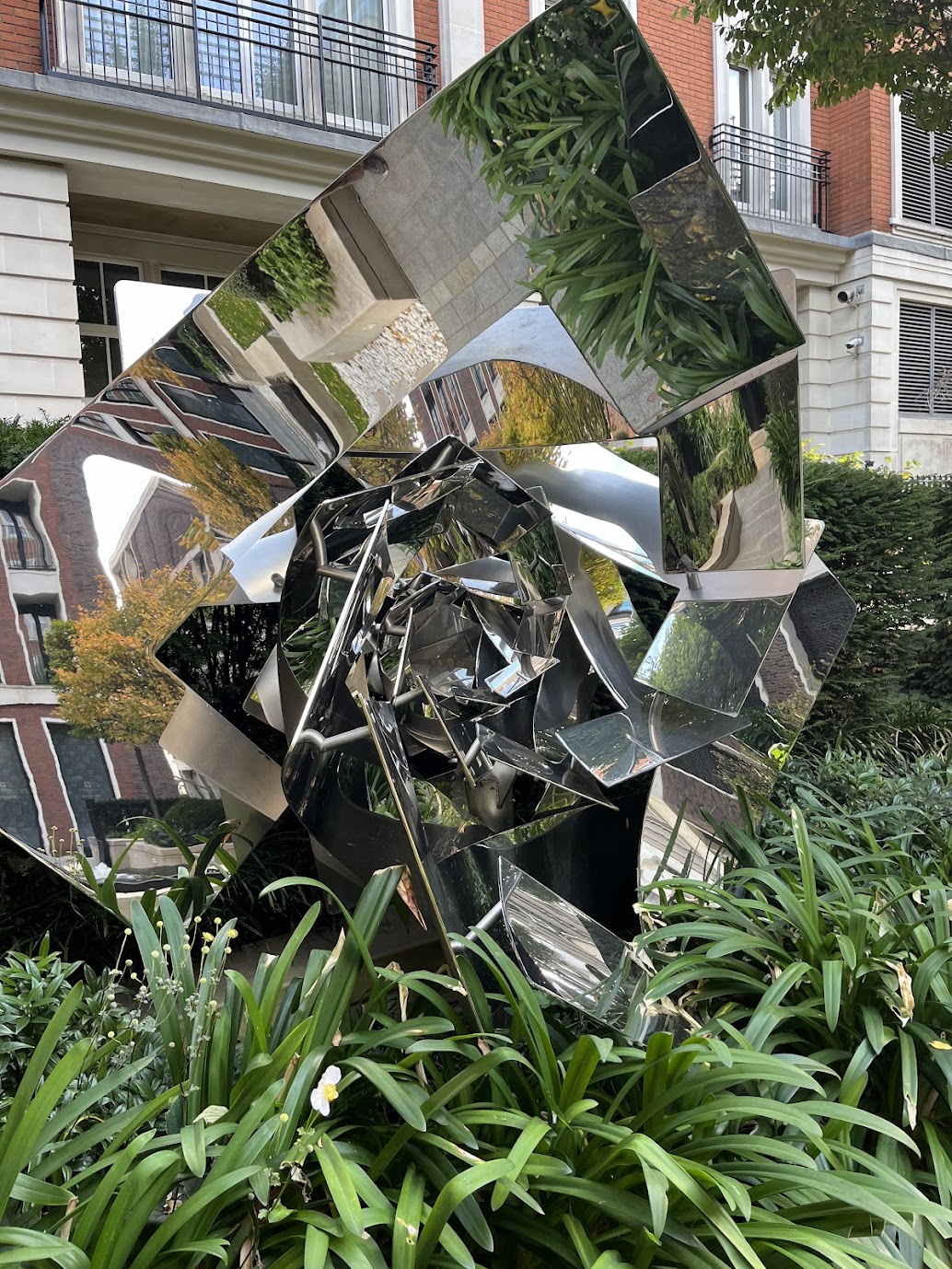
Centre of attention, or chance for reflection? Mirror spiral in London

There’s probably an element of projection here, assuming every adult from every time period will share the adolescents’ lust for money and fame. These are, after all, the same boys who’ve ridiculed me assuming my job is low-paid.

“You’ll never own a Lamborghini, Miss, so what is the point?” 

As for fame, I don’t think these students crave it, but they do like a certain quantity of attention. The Year 10 boys have taken attention-seeking to new depths. They like to watch each other accuse staff of misconduct. 

We squeeze through the crowded corridors to hear a boy shout, “Miss, did you just assault a minor?” One of our longest-serving, high-level TAs walked into a classroom to have a boy ask, grinning, “Didn’t I just see you chuck a pen at a student?” It happens with such frequency, we wondered if it was a TikTok trend. This particular group of boys get such a kick out of joining in to make bizarre claims.

Fame and Money

Attention-seeking is no fault, to my thinking. We all need attention, and I aim to give it to those I love without them needing to seek it. Ideally, we would know the students in our classes, even the ones not technically on the special needs register, well enough to cater to their personal interests and goals. But in a low-set Science class of thirty, many of the students with high need and low focus, while we’re trying to teach the entire GCSE curriculum, we’re mostly running around shushing and confiscating hazards.

Attention-seeking tactics, performances for peers, sometimes choke out opportunities to gain deeper, more constructive attention.

Obviously, when I write I do hope that certain pieces will gain favourable attention. Sometimes, in conversation, I prize making a witty riposte above empathy. Then I regret it after, even if I won a few gratifying laughs. Attention is great, but it’s not my raison d’etre. 

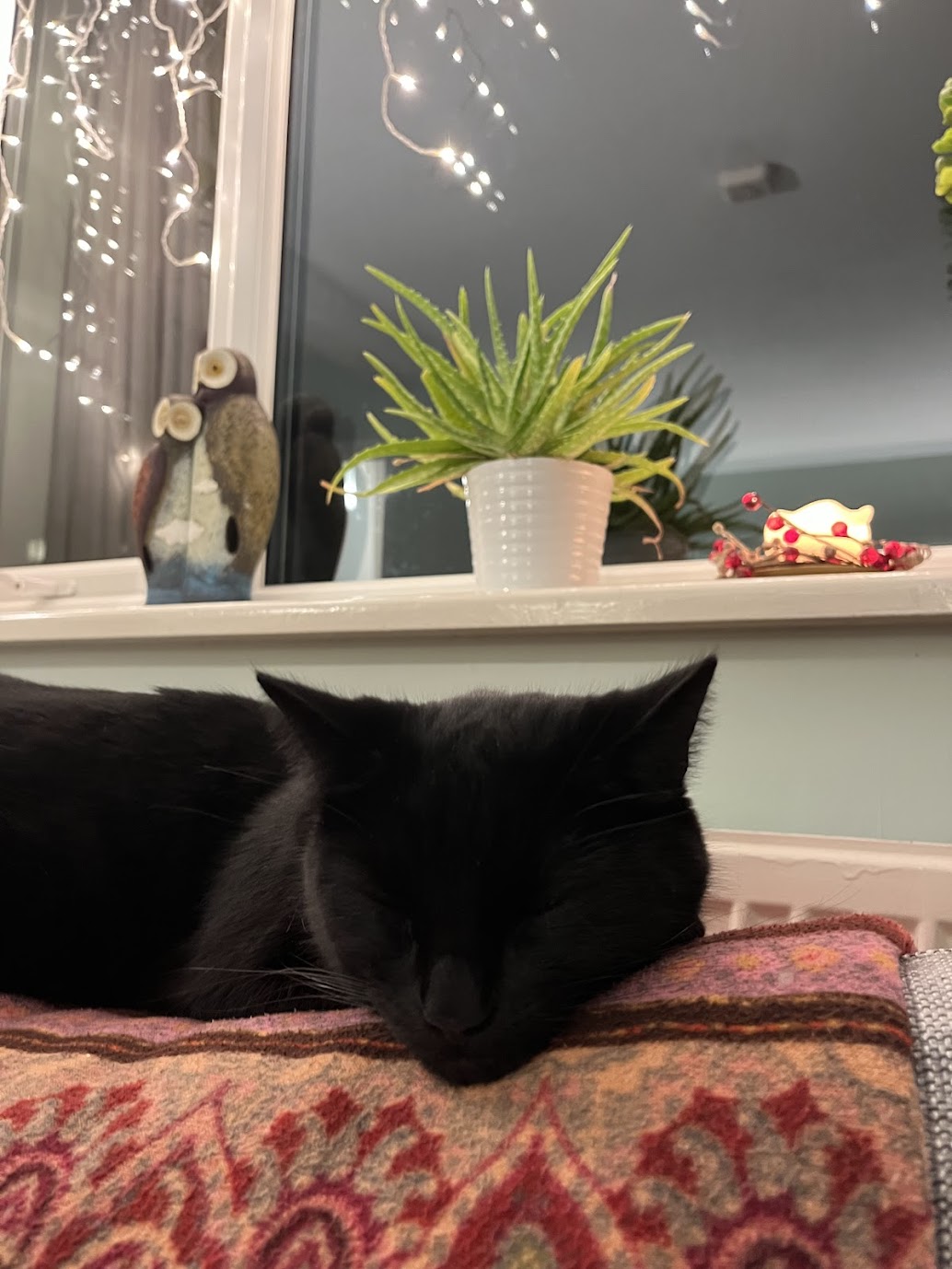
I also put up the harvesty decorations. Here’s Obie looking perfectly autumnal.

My writing jobs in the last fortnight have consisted of preparations to feature as a Showcased Writer on another writer’s blog, and maintaining writing group correspondences and completing critiques, while also adding more to the new novel I’ve been working on. There’s a mix of promoting myself, others, and creating for the fun of it (which will hopefully one day appeal to others too).

Our Women Writers Network on Bluesky also hosted one of our Skychats, inviting other creatives to join in on the hashtag #WomenWritersNet. This month’s topic was the Writing Mindset and it was inspiring to listen to people’s thoughts about what this entails, and hammer out my own idea of it. 

For me, a writing mindset is open to ideas, no matter how mundane the source, and is flexible in switching from gathering mode to the hard work of expanding an idea. My writing mindset is fed by such discussions with other creatives, and by taking in art of all forms–reading, listening to music, walking city streets–and yes, by affirmation. 

Time Well Spent

By far, the most writing I do is in my daily scribbles. For 5.5 years, I’ve written on and about every single day, chronicling interactions and noting ideas. I sometimes worry about the amount of time this takes me, usually at least an hour each day. 

Is the time I spend trying to preserve memories and thoughts distracting from the now? Or do my reflections enhance my present?

A bit of notebook-ogling while waiting at the airport

This week, as I prepare to visit my family in the US the instant half-term break begins, I’ve looked back through my notebooks. There are dozens of them now. I found the ones from each summer visit, and flipped through specifically to find each time we saw my Aunt Laurel, who passed away just weeks ago.

Since I’ll be helping my family in the wake of her loss, it fortified me tremendously to read family stories she told me that I’d recorded in my journal, and little bits of conversation, the ways we made each other laugh, how she’d reach up at least a foot over her head to hug my husband and call him “Sweetie.”

My journal also reminded me of her words: “It takes a lot of disasters to make a grown-up, or even to feel fully human.” That puts all the attention-seeking antics of young people in perspective, doesn’t it?

So, my favourite reason to write is to preserve love. To lay down a thread guiding me back to the best kind of attention, from the people dearest to me. It often works out that those people are the ones who give me strength and inspiration to keep creating.

Do you have people like that to fortify your writing mindset? How do you balance preserving relationships with gaining attention?

Rules and Regulations

This Week’s Bit of String: A blossoming crop of exclamation points

My back garden has transitioned from Phase 1 to Phase 2. Especially in a warm, dry year like this, I work on growing vegetables almost all year-round, something not possible in the winters where I’m from.

Phase 1 involved harvesting the broad beans and onions I planted last October. It involved tulip worship, California poppy and cosmos bliss, and a long wait for raspberry-shaped alliums. A near-intoxicating glut of strawberries, plus the first courgettes.

One side of the garden

And it was fairly bountiful. A dozen onions lie curing on a cooling rack on my dining room table. I have two bags of strawberries in the freezer, and I ate loads more as summer conquered the spring most mercilessly. 

Despite platoons of ants marching up and down the beanstalks to farm saturated black colonies of aphids, I harvested a few mixing bowls of bean pods over the during Phase 1, enhancing a few stews and salads. I uprooted the stalks a couple weeks ago, leaving some foliage to nourish the soil.

Phase 2 is more courgettes, blueberries, tomatoes, and cauliflower. Deep purple petunias and gladioli; roses and rudbeckia. Phase 3 will be carrots, aubergines, more tomatoes and onions, plus possibly a few pears.

When the breeze blows and the neighbours’ various extension projects fall silent, the garden is blissful, a haven for bees (so long as they can spiral upward, away from Obie cat). But it’s also a wonder, a rebellion, a never-guaranteed reward for labour. 

Sometimes I reflect that every unfolding petal is miraculous.

Shout-Outs

I adore the velvet of the petunia flowers, and I was thrilled to find the broad bean pods were fleecy inside, too. I never knew that. 

But how did it get there?

I’ve seen two different kinds of bees on one allium. Every time I pass the cream-coloured roses in the front garden to water the hostas and calla lilies, I smell their gentle raspberry scent. A peony bush and two sheafs of wheat at opposite sides have appeared and grown out of nowhere. The wheat is a tight braid of kernels, its blue-green slowly drying. 

Until three years ago, when our Bear moved back to the USA, I didn’t have time to grow plants. I’m still a bit shocked this is a thing I’m capable of, although clearly nature is doing much of the work. If given the chance, I will boast about my yields, just as I might about my word count cultivating a new novel. 3000 words per week isn’t amazing, except maybe it is because I’m doing it while the term stretches on and I spend my breaks and half my lessons in classrooms that are at least 30 degrees Celsius, with understandably obstreperous teens. 

Thinning the Rows

Of course, that isn’t my only writing project. I’m still doing some editing work on my novel about Eve. Lately, this involves hitting the Ctrl + F to find all instances of very, or thing, or just. Most of these can be eliminated, or replaced with a stronger, more suitable word. 

When gardening, I often disregard recommended distances between plants. For a British garden, we’re lucky with its size, but ours isn’t massive and I’m trying to squeeze a diverse group of crops in. So I will plant things closer together than recommended and I don’t always thin the seedlings out. What will be, will be, It usually works out.

Not so with writing, of course. There’s a lot of pruning involved, almost in perpetuity. And I follow the rules more faithfully here, trimming off excess modifiers and adverbs and honing language beyond “started to” or “tried to” or “like” or “things.”

But there’s one rule I’m questioning, and it’s exclamation points. Current thinking allows them little right to exist. I know what you’re thinking: “What?!” Just kidding. I hated when, for the last couple years or so, Elon changed the post-your-Tweet box to “What’s happening?!” feeding the sensation that the world is in chaos and each of us is urgently reporting on this minute by minute. 

I understand that the words themselves should convey the urgency. But it looks limp and anti-climactic to write without an exclamation point sometimes: “‘No,’ she cried.” 

Take the flashback scene when Eve remembers Cain killing Abel. In the Biblical account, it is the second of many instances in which God is disappointed by His underperforming Creation. To Eve, it is unending separation from both her sons because of a deity’s petty grievances. Perhaps she is entitled to a few exclamation points.

There are times when playing it cool doesn’t make sense. I am happy to sprinkle excited exclamation marks amidst the contentment I feel in my garden. Goodness knows there are many more alarming justifications for exclamations these days. I wonder if robbing a character or incident of an exclamation mark minimises their experience. But as with any other device, the mark’s potency does depend on it not being overused.

What do you think about this form of punctuation? Do you strive to use it less… Or should we be letting it back into our lives and our work? 

Voice Check

This Week’s Bit of String: Forbidden conversations

The exams (GCSEs) for our Year 11 students have begun. I’m sitting them alongside a young man with special needs, in line with his access arrangements. 

The first exam we did together, we had a power-tripping invigilator who told us off for talking. The student finished dictating answers to me minutes before the end of a 105-minute exam, and I asked how he was feeling. He nodded, and grinned, and said he felt ok. Then he asked what time it was.

We’re not allowed to tell students, because it might unfairly advantage them (apparently). So I silently pointed at the analog clock set up in front, which many students can’t read. 

That suddenly unfurling time of year

The invigilator came over and said we mustn’t talk. According to her, I could only speak when reading directly from the paper. 

“And if you want to know the time, you have to ask me,” she told the student.

“Oh, okay. What time is it?” he asked.

“I can’t tell you.”

Gah! Thankfully, our usual invigilator is less officious. We’re not rebuked (yet) for asking a frightened exam-taker how they’re feeling. 

I wonder if smiling at a student and showing mild concern for their welfare does give them an extra advantage. I wouldn’t feel too bad if it did; there are so many disadvantages actively at work. Many of our students with special needs are already convinced they will fail.

My exam student keeps saying, when we’re studying: “I don’t know how I can remember all this.”

I worry about this developing from a mantra to a self-fulfilling prophecy, and I’ve been suggesting fixes. What if the video clip running in his mind said instead, “I’m good at solving problems. I can try to work out the ones I don’t know.”

It’s hard to change an internal narrative, though.

Rewriting the Internal Monologue

How we talk to ourselves inside our minds can be a game changer. My inner voice, for quite a long time, has been somewhat generous and cuts me some slack in a few respects. It cheers me on through busy days, and it might later say, Great job, you’ve done a tonne of work, have a tonne of peanut butter. You know, stuff like that.

Sometimes we have to allow ourselves a slower pace.

It wasn’t always that way; as a young person I completely reviled myself. Trauma and peer pressure and mixed-up interpretations of religion will cause that. Then, after a couple years as an immigrant, on some subconscious level I must have grasped that no person especially in a foreign land would ever provide all the reassuring words I’d always longed to hear. And I settled for hearing some version of that from myself.

It wasn’t a conscious effort. I realised how much kinder I’d become to myself because I listened to how my students talked about themselves, and contrasted my own, long growth.

But lately, my inner voice has been harsher. Once again, this realisation snuck up on me. I was summoned to a procedural absence hearing at work, after all those days I missed with a late winter flu, plus a couple days further back in the year thrown in.

The deputy headteacher said I’m great, highly valued and respected by all staff, and they don’t question the reason for my absences. But… do better, Or Else.

That put me in a panic. How do I avoid getting sick while I’m scribing a GCSE paper, leaning in to hear whispered dictations from a boy who’s blowing his nose rather juicily?

Panic Versus Control

The thing is, I had been really down on myself about every sick day. There’s no excuse for this, I’d think while I bundled, practically immobile, on the couch. No one else missed as much work for this bug. There’s obviously some insufficiency in me.

But when told I could lose my job if I get sick again, the terror I felt came from helplessness. I can’t truly be helpless and at fault at the same time. Maybe it’s time to stop blaming myself, and summon some fighting energy.

Keep looking up, friends.

Fortunately, I’ve had words from others to help me turn things around. Colleagues from my actual work team have been outraged that I felt threatened. In their view, I do way too much already.

“I know it isn’t easy,” one of my TA friends said, “But you have to put this away in a mental compartment so you don’t think about it, or it will make you sick, and we aren’t going to give them that.”

The SENCo, head of our department, swore she’d accompany me should any further meetings occur. “I’ll tell them that if they let you go, I’d be under so much stress I’d be off sick, and good luck to them covering us both.”

Sometimes, people around us know just what to say. Slowly, our panic and stress ease off. But as wonderful as it is hearing kind support from others, it’s even more important what we hear within—after all, our inner voice is the one we’re stuck with. Might as well make it an amiable one.

I certainly hope to at least keep panic at bay for my students, and more importantly to help them dwell on their positive attributes. I will work on moderating the tones of my internal monologue to be less harsh when I have a slight off day.

How does your inner voice keep you going?

Asserting Authority

This Week’s Bit of String: A new monarch in town

“How do you spell author?” 

“A-U-T-H-O-R,” I obliged the boy. My family was providing childcare for another family from church. Their oldest was maybe 8 at the time, not quite a decade younger than I was. I always had a soft spot for him, found him gentle and reflective.

We were at my parents’ kitchen table, colouring. The boy had decided to make a picture book. I was probably doing homework, and wandered off after a while on other pursuits.

Me with the crown they gave me (ok, not just me) at Goodrich Castle

Later on, my brother told me our young guest had written his book. It was a kingly tale of Arthur and his knights. Only, when I’d assumed the little boy wanted to spell author so he could do a little “About the Author” page, he was actually asking me how to spell Arthur.

I had caused him to create an entire picture book about King Author and his glorious feats of derring-do. 

This made me giggle, and it’s resurfaced  in my memory as I plan my next novel. In a way, is an author a monarch? Do we rule over the kingdom (queendom, perhaps) of our imagination?

Uneasy Lies the Crown

Writing, as with any truly driving creative endeavour, is a tough gig. You want to express yourself genuinely, but you want to be widely accepted and received. It’s emotionally bruising.

But what I really struggle with sometimes is making decisions, then forging on alone. It’s up to me to invent an entire story, develop intriguing, complex characters, then come up with plausible trajectories. In the words of King George III as portrayed in Hamilton, “You’re on your own…” There are certainly times when I imagine I’d like to have democracy, some sort of constituents to steer me. 

My very own fritillary, growing in the front garden

The etymological root of the word author is ‘one who causes to grow.’ In fact, it has the same root as actor: a doer, a performer, an initiator. However, no one really does this solo. An actor takes direction and usually works with an ensemble. A gardener doesn’t cause a seed to grow all on her own; there’s sunlight and water involved. That’s why, as writers, we are constantly developing our ideas under the glow of other literature and art and the hydration of feedback. 

In our writing, we also have characters to keep us company. While perhaps not as vocal and irascible as human voters in a democracy, they’re still more volatile than planted seedlings. You don’t always know what you’ll end up with, nor should you. At work, our Art students are heavily cautioned against deciding too soon after receiving their exam brief what their finished product will be. It’s called “design fixation” and it would lower their grade. Instead, they need to show evidence they’ve explored a range of ideas, researched various artists, and grown through the process. 

Wrestling with Authority

So our creative work draws from all sorts of sources, and can evolve. We’re not creating free of influence, far from it. But it’s up to us to get things moving and keep them moving. We’re pretty important. It’s obvious, but worth noting that the word author also links strongly with authority.

For a lot of us, assuming authority goes against our nature. We might particularly shy from it when watching it run amok in current administrations with distinctly authoritarian leanings. (The term authoritarian was coined in the late 1850s, early 1860s–I wonder if it started in the US, and whether it was the South or the North first using it?) 

In my job, I have to inspire respect from my students, but as a teaching assistant rather than a teacher, I can be friendly and nurturing too. There’s an added dimension this year. We have so many special needs students, we require quite the company of teaching assistants, too many now for the few medium-paid TAs to line manage.

A bit of democracy on my bookshelves

That’s why at the beginning of this year, I became a line manager on half the pay grade required to manage staff.

The head of our department framed this development as potentially forcing the administration’s hand. Maybe one day, they’ll realise they have to pay us more. Seems unlikely; if they’ve got us doing it now, why change? 

She told us: “I will do my best to make you believe this is worth your while.”

Those semantic gymnastics impressed me. I remain skeptical that there will be any financial value to the endeavour, but it showed me that even those with authority aren’t always comfortable with it. If she’d been confident about what she was initiating, would my head of department have twisted her language so tortuously?

Several months into being a line manager, I’m getting better at navigating the computer programme required and meeting the deadlines. The person I’m managing has valuable working experience and a masters degree, so my role isn’t to boss her around, it’s to help channel her tremendous strengths in support of our students and team.

That’s more like what we do with our creative ideas. We serve as conduits, not just despots. How do you exercise authority over creative endeavours?

Staying Creative

This Week’s Bit of String: An accident-prone day

You know those days when everything goes wrong? Last Sunday, I had a few chores left on my weekend list. I needed to change the sheets, but inadvertently laundered a tissue with the bed linens. It avenged its fate by leaving sticky fragments all over everything.

I stepped outside to put some recycling in the bin, an opportunity also to chat with our neighbour in the adjoining half of the duplex. This brought up a fencing dispute which is provoking grief and peevishness on both sides. 

Toebeans of death

While we attempted to reach a compromise in the sunshine, I saw my cat speed round the house and dart in the open back door with a pigeon in his mouth. I spent the next 20 minutes waiting for him to finish tearing into it behind the couch, and at least as much time after that shifting the furniture, picking up pieces, hoovering feathers, cleaning the carpet, and wiping bloodstains off the lamp cable.

In the afternoon, I needed to clean the fridge. I dropped an egg, it slipped underneath the appliance, I had to empty the fridge completely and move it and clean behind it. When wiping the worktops in preparation for hoovering, I tipped a bit of water on my laptop, which has thankfully survived unscathed.

With half my chores taking up more time and aggravation than planned, I reached the evening exhausted (but with a clean house!) and thought, am I actually going to write today? I barely felt human, let alone like a writer.

The Great Humaniser

Maybe I was a walking disaster because, after a week of flu, I was still battling extra fatigue and some headaches. My husband was now in the throes of the virus so the house was generally miserable, had been for a little while, and wouldn’t be imminently abating.

Thank goodness it’s been sunny and springy or I’d have been seriously depressed.

When I’m sick, or drained after being sick, I refer to myself as “running a reduced service.” I still have to do laundry and basic cleaning and cook and if not get groceries myself, arrange for them. Have to help my family in whatever way possible, and must get back to school to do my job as hastily as I can. The result is I’m doing nothing but work and chores; no extra exercise or writing sessions. No social gatherings or outings for entertainment, or long hikes. It’s a drag and can continue for weeks because a reduced service is still fairly demanding and I’m rarely getting a decent night’s sleep. 

I don’t know if it’s the best physical remedy, but the best emotional one might be to write anyway. That’s what I did Sunday. I bashed out 500 more words of a character sketch, prepping a new novel.  I went from feeling I was barely surviving, to remembering I am capable of adding beauty and empathy to the world through what I create.

Any creative endeavour brings out our humanity and even transcends it.

Why We Write

The past couple weeks reminded me why we write (or make music, or create art). Even while I was sick, if I could get a few minutes of fresh air, and perk myself up listening to quality tunes, I could then engage in some writerly activity most days. That creative feeling fought off some of the glumness. 

Here are ways creativity elevates us:

Wearing pyjamas for the 4th day running doesn’t mean we can’t write a piquant description of the flowers sprouting outside or the cat’s sleeping position. Tip: Take 5 or 10 minutes, scribble about what you see. Write your favourite line from those scribbles on a post-it or take a picture on your phone as a reminder of your formidable talent.

My not-terrible watercolour

The more we practise bits of writing, the more we notice without trying. When an articulate description comes to mind, we feel observant; we feel less like we’re missing out on life. Even if that’s a clever phrase about how cough syrup tastes, or the pound of a headache.

We can still be part of a community. Being on Twitter isn’t always a positive experience these days, but I was running the profile for the Women Writers Network while I was poorly. My Tweet about a recent visit to Mr B’s Emporium of Reading Delights, an independent bookshop in Bath, received over 350 likes, and dozens of responses with other writerly/ literary types adding their indie bookseller recommendations. It turned into a real bright spot. If you’re low on energy, taking a few minutes to encourage and lift up others on social media can boost our mood.

When we’re forced to take a break, it knocks our confidence. I found that, though I’d kept some semblance of writing in my life, I still felt disheartened about picking up bigger projects again. On Saturday while I was feeling a bit better, I sat in the sunny dining room and did a watercolour based on a favourite place, where I’m setting my next novel. I’m not an artist and don’t have much experience with watercolour, but I made myself complete it. This took less mental energy than writing, but plenty of courage. And I don’t hate how it turned out. It reminded me it’s ok to bash out writing too. We just have to go for it.

Do you use creativity as an antidote when things go wrong? What are your tips for maintaining a creative state of mind when low on strength?

The Excitement of Uncertainty

This Week’s Bit of String: Old, fat, furry cat-puss

There’s an old British children’s show called Bagpuss, starring a pink and white floppy toy cat who comes to life, along with his other toy friends. It’s stop-motion puppetry, with calming background chimes and little animated stories thrown in along with strummed songs and whatever fits with the toys’ imaginings.

In my late twenties as an immigrant parent, I found the episodes quite soothing to watch with our little Bear.

A pond of time. What might lie beneath?

One summer, back in New England visiting my family, I showed them a YouTube video of the show’s opening. As my dad watched the slow introduction and brief flashes of black and white photos, he asked in stunned panic,

“What’s going to happen?”

The change of pace was vaguely terrifying, I think. Sometimes, when things are a bit chaotic, I hear that question in my head, repeated the same, confused way. And it becomes a little bit funny, as I found it so at the time.

Happenstance

Not a lot happens in Bagpuss. The lovely characters resume their usual places at the end, going back to sleep until next time. Sometimes my story ideas do exactly that. I think my characters are going to amount to something but they sort of peter off instead.

Taking on this challenge probably means I will do a bit of waffling.

On Monday, I decided to join in with the 100 Days of Writing challenge on Twitter. There were 100 days left of 2024, and the idea is simply that you write every day.

I already do write daily—my scribbles that I’m ridiculously addicted to. My notebooks are adding up to take over an entire table. Then of course there are blog posts, and critiques and such. But I haven’t felt very attached to a fiction project in a long time, and my novel about Eve is still out on submission.

So I’m writing 500 words of fiction per day, and make things up pretty much on the fly.

On Monday I was lucky, because I did that many words mainly before work and at my lunch break. For the rest of the weekdays, my work breaks were busy and I had so many chores at home (plus scribbles reflecting on the day’s events), I wasn’t settling down for fiction until at least 9 pm.

I’ve previously ruled out late evening writing, because I don’t have much brainpower or energy left by then. But each day, 6 in a row now, I’ve done my 500 words at least, across 4 different ideas.

Finding a Thing

The premise of the Bagpuss show is that Emily, the little girl who owns the toys including Bagpuss, finds an object when she’s out and about, leaves it with her toys, and they imagine what its story and purpose might be. Every episode begins: “One day, Emily found a thing. So she took it home to show Bagpuss.”

Writing is just finding a thing, and investigating it. So I began by writing about a couple meeting in a waffle house, and getting to know each other. This story is only for me; it doesn’t need an exciting plot. I wanted to introduce an invented character to a version of someone I know in real life. This way, I could chart a possible route to a happy ending, while safely exploring the emotions rooted around a sad situation. I made it just to suit myself.

Oil refineries near Houston. I found them fascinating.

Then I started writing a little place-centred piece, inspired by a funny malapropism from one of my sister’s students: “Once a pond of time.” What would the pond of time be like, I wondered? And I played with that idea. For a couple nights, I worked on both small projects at once.

When I’d written what I wanted to (for now) on those, I forayed into a new novel, having a protagonist carry a rucksack through the woods at three in the morning, making her way to an old mansion she believes will be empty. I have in no way plotted this novel. I have lengthy character and setting sketches. But it was exciting to just plunge in. I need to see if I love the idea enough to commit to a plot and many thousands of words. For now, I get to just see what happens, no strings attached.

And Saturday, I put my 500 words and then some toward finishing a story I started in summer, set in mid-20th century Southeast Texas. I lost the thread of it a little, so I needed a day when I have time in order to work on this. How fun, though, to say I’ve worked on four different fiction projects in just one week! Incredibly, despite the late nights, this fills me with delight rather than dread.

Do you sometimes relish not knowing what will come next, or does it throw you into a panic?