Blog

Seven Wanders of 2025

Last year turned into a year somewhat on the go. Toward the end, I was traveling every 2-3 weeks. Even during term time! Paris, London, America, and then right back to supporting students on Monday morning. When it felt tiring, I pretended I was travelling for Successful Writer purposes, although it actually kind of slowed down my writing.

Where were your favourite adventures in the last year? If you weren’t able to go out and about much, what other sources of inspiration or invigoration did you find?

Bath, United Kingdom

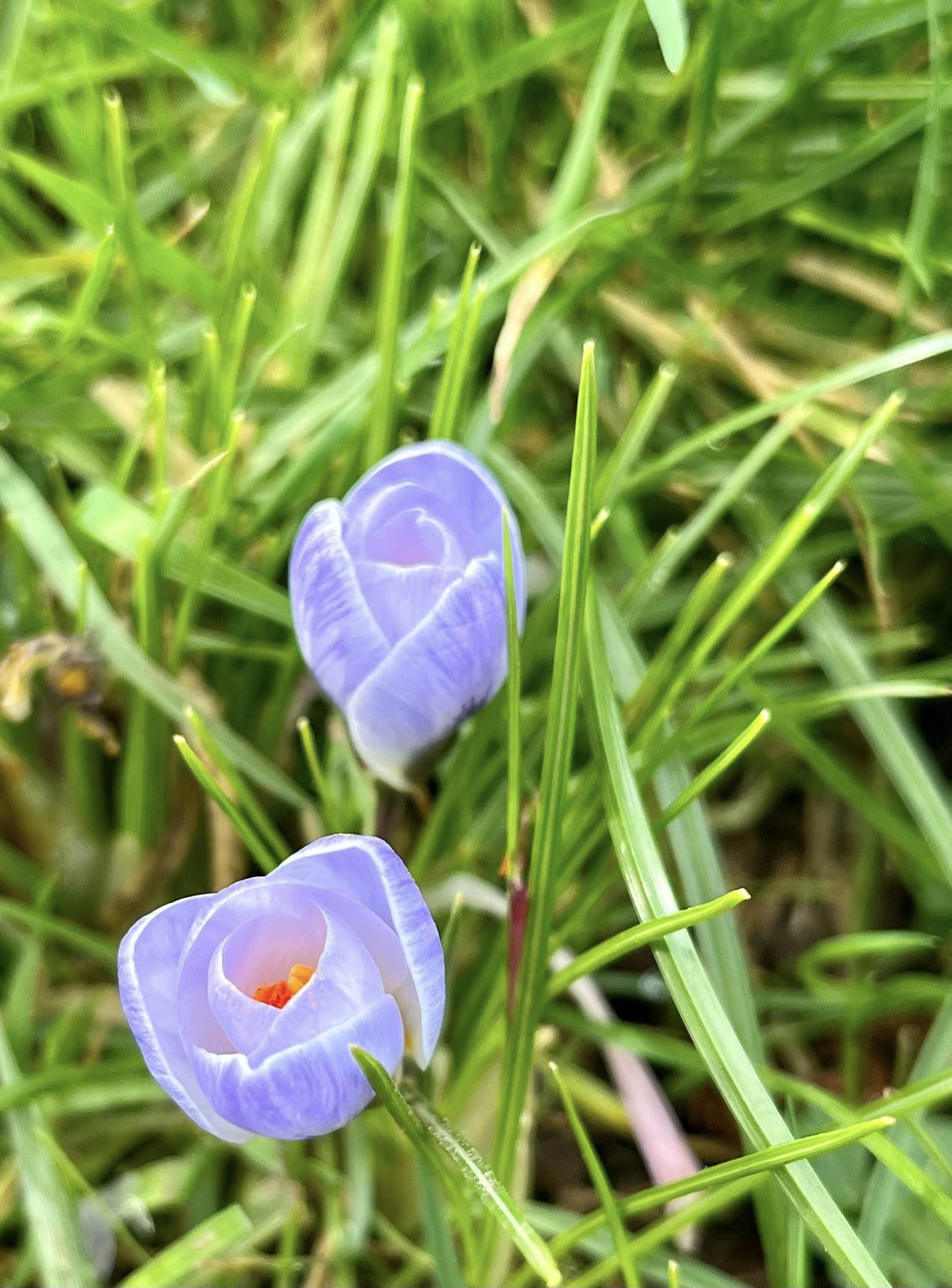
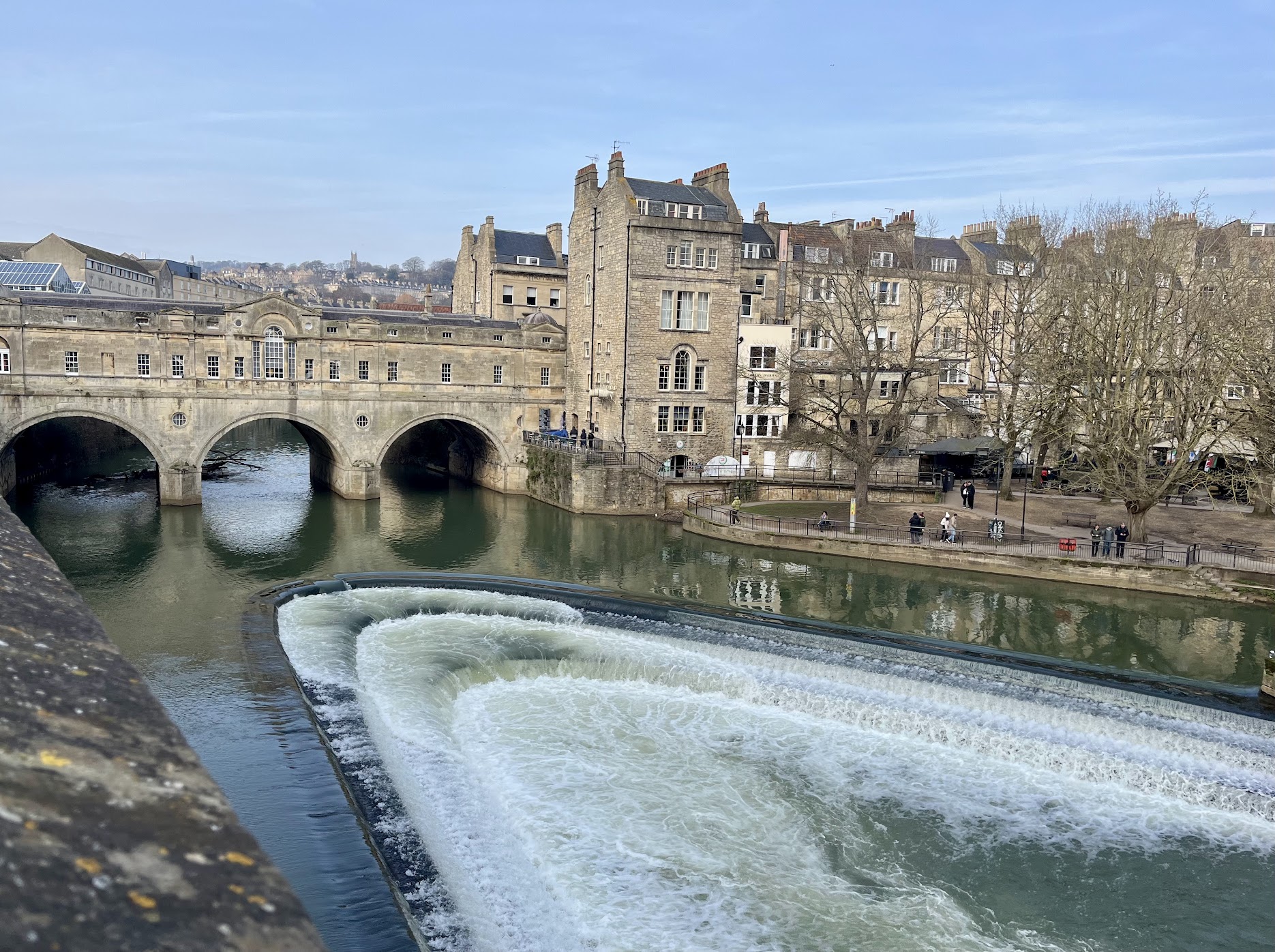
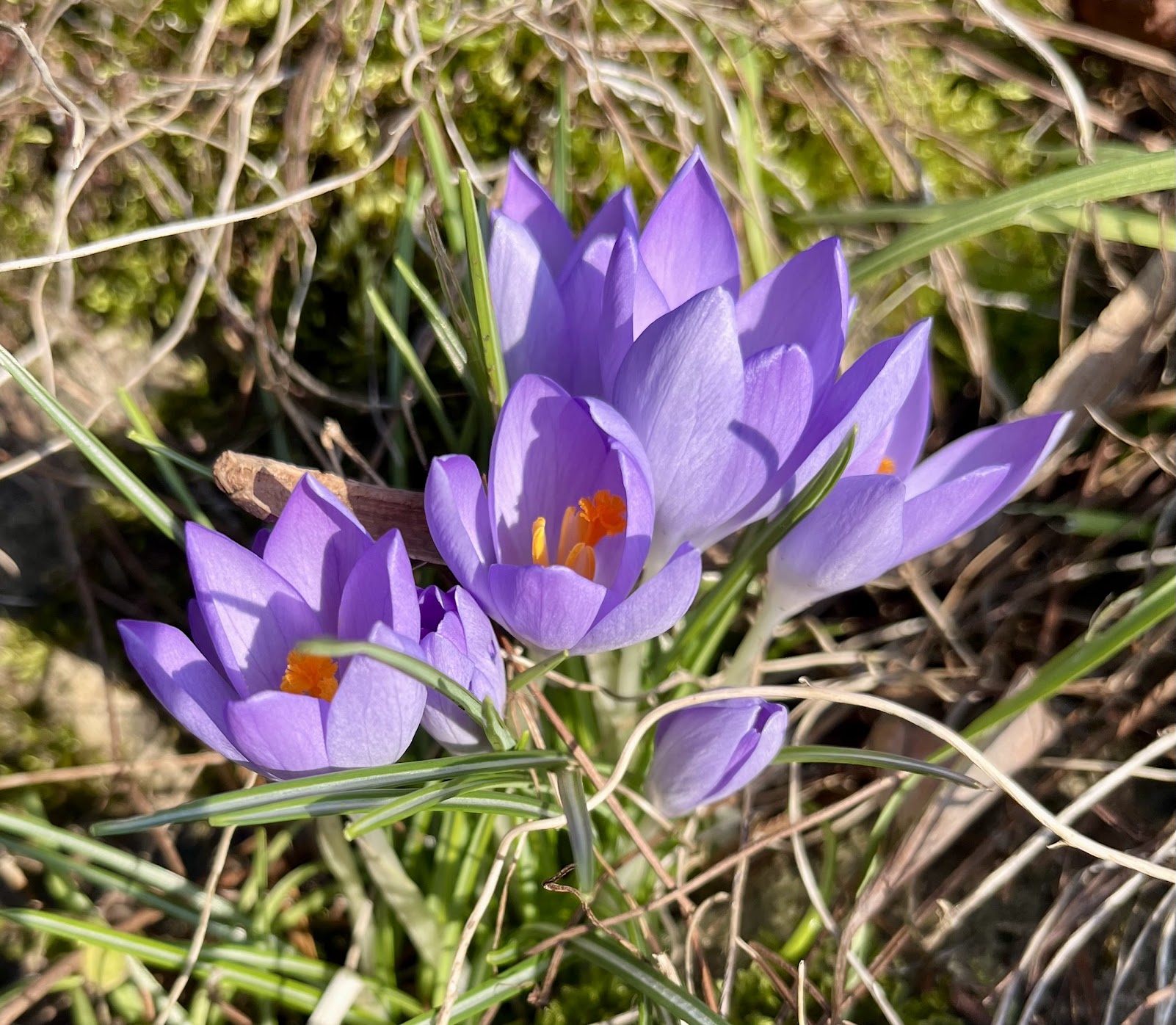
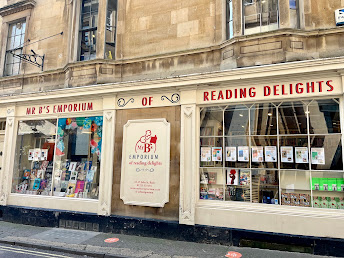
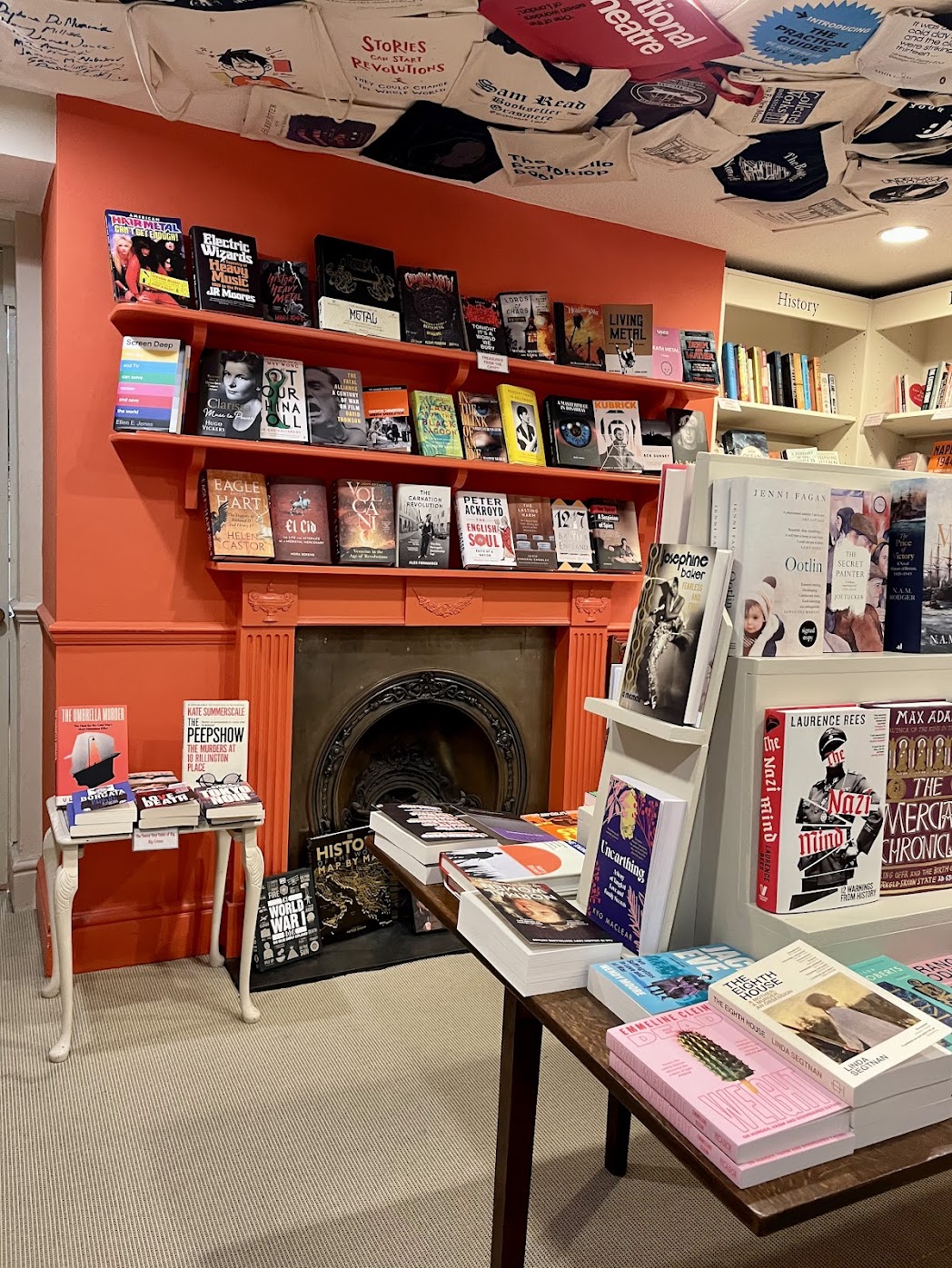
In February, I took a day trip on the train down to Bath. I didn’t go into the ancient Roman sites this time, but walked to Victoria Park and worshiped the crocuses, walked along the busy weir, and of course visited Mr. B’s Emporium of Reading Delights, an absolute gem of an independent bookstore.

White River Junction, Vermont

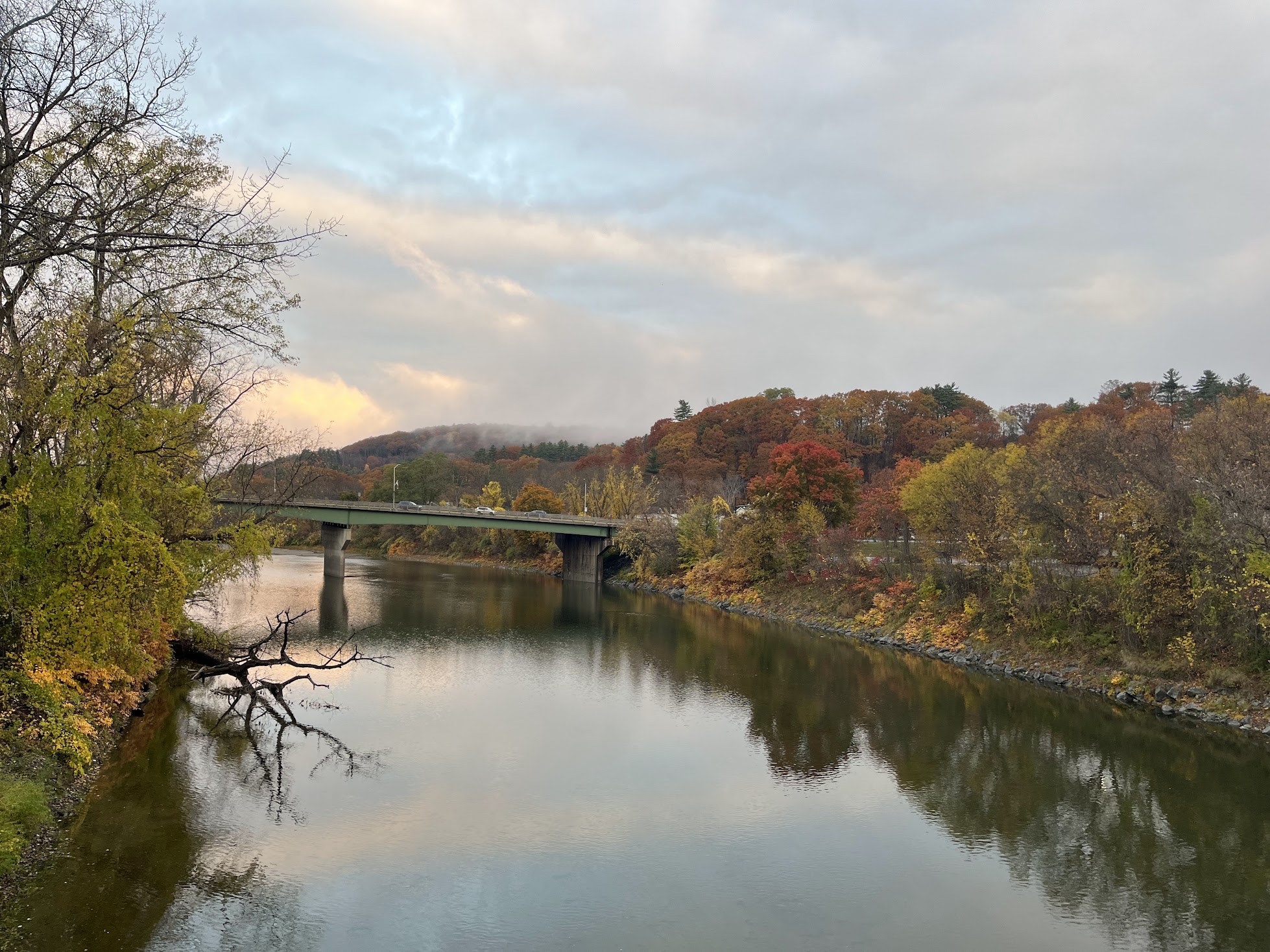
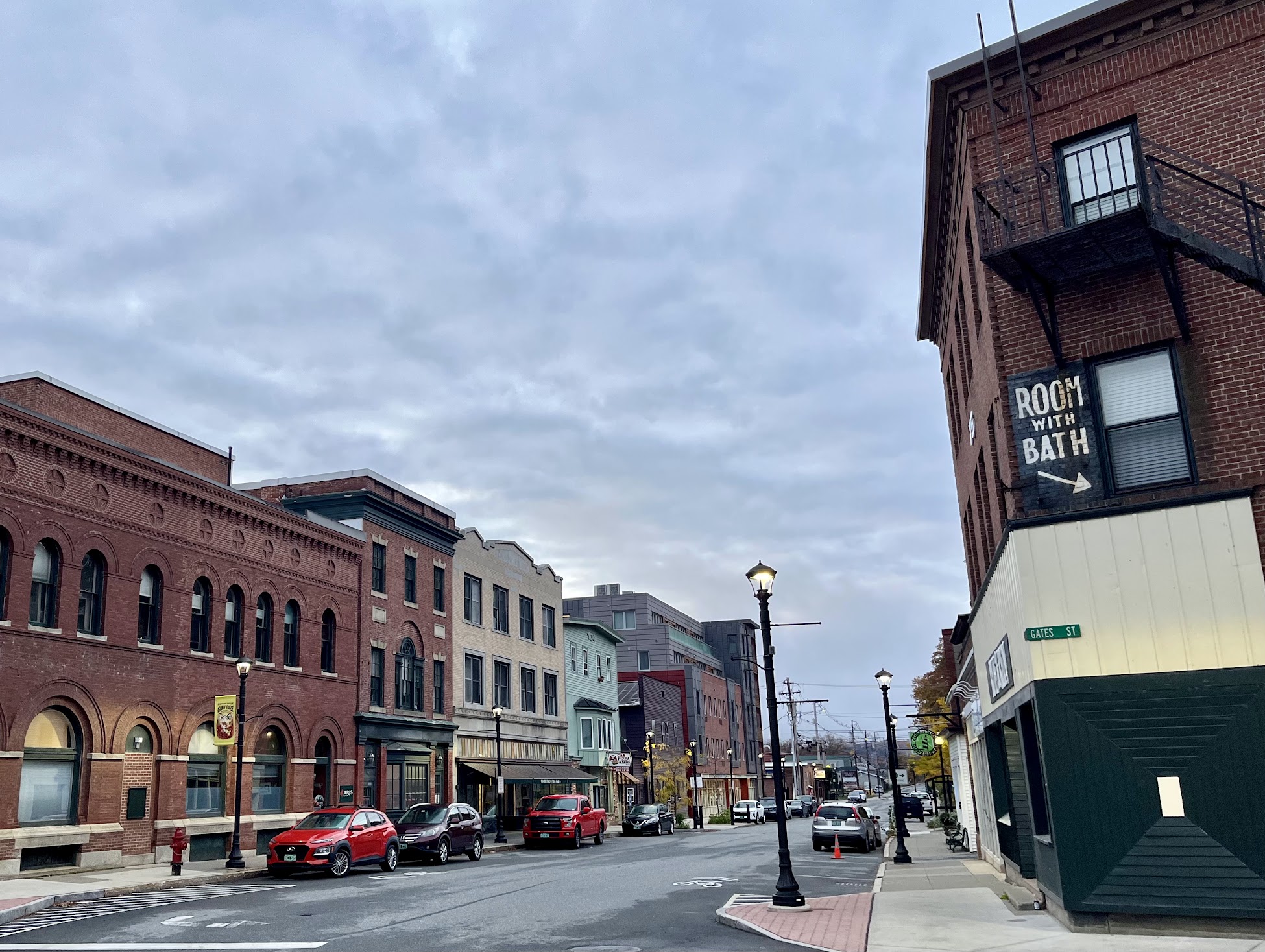
During my October trip to see my family, I walked in the dark early mornings across one bridge and down another. The White River meets the Connecticut here, swirling into the border with New Hampshire, and train tracks pass, lined with colourful trees. The main streets of town have those square, flat buildings that remind me of Western movie sets, but lots of boutique shops inside, plus a Turkish cafe and a Cambodian sandwich shop. Most of all, this town is where my Grammy and Grandpa raised my dad and his older siblings, and where my siblings and I used to visit them, and I’d bring my own little Bear when they were young.

Ozleworth, Gloucestershire

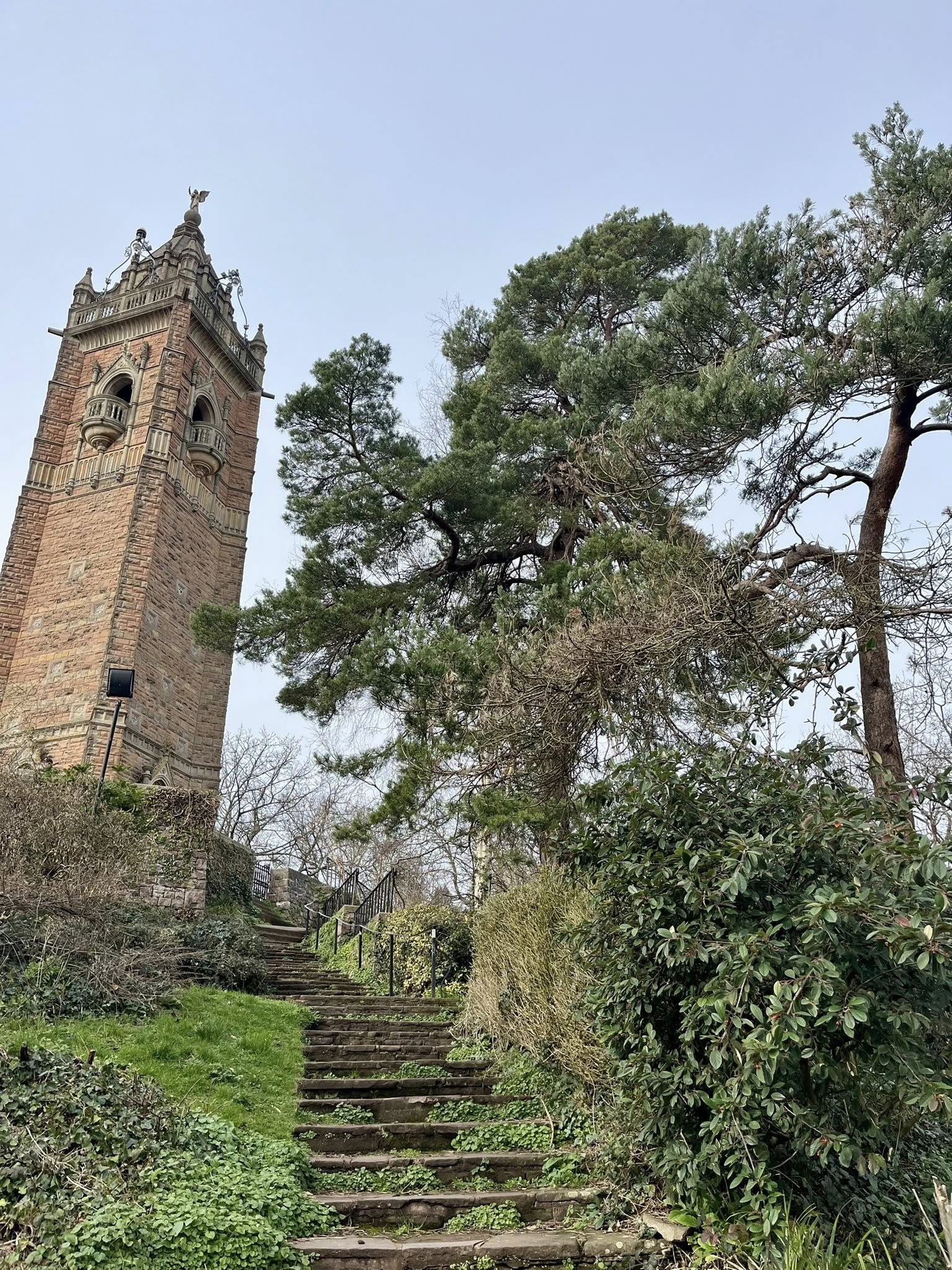
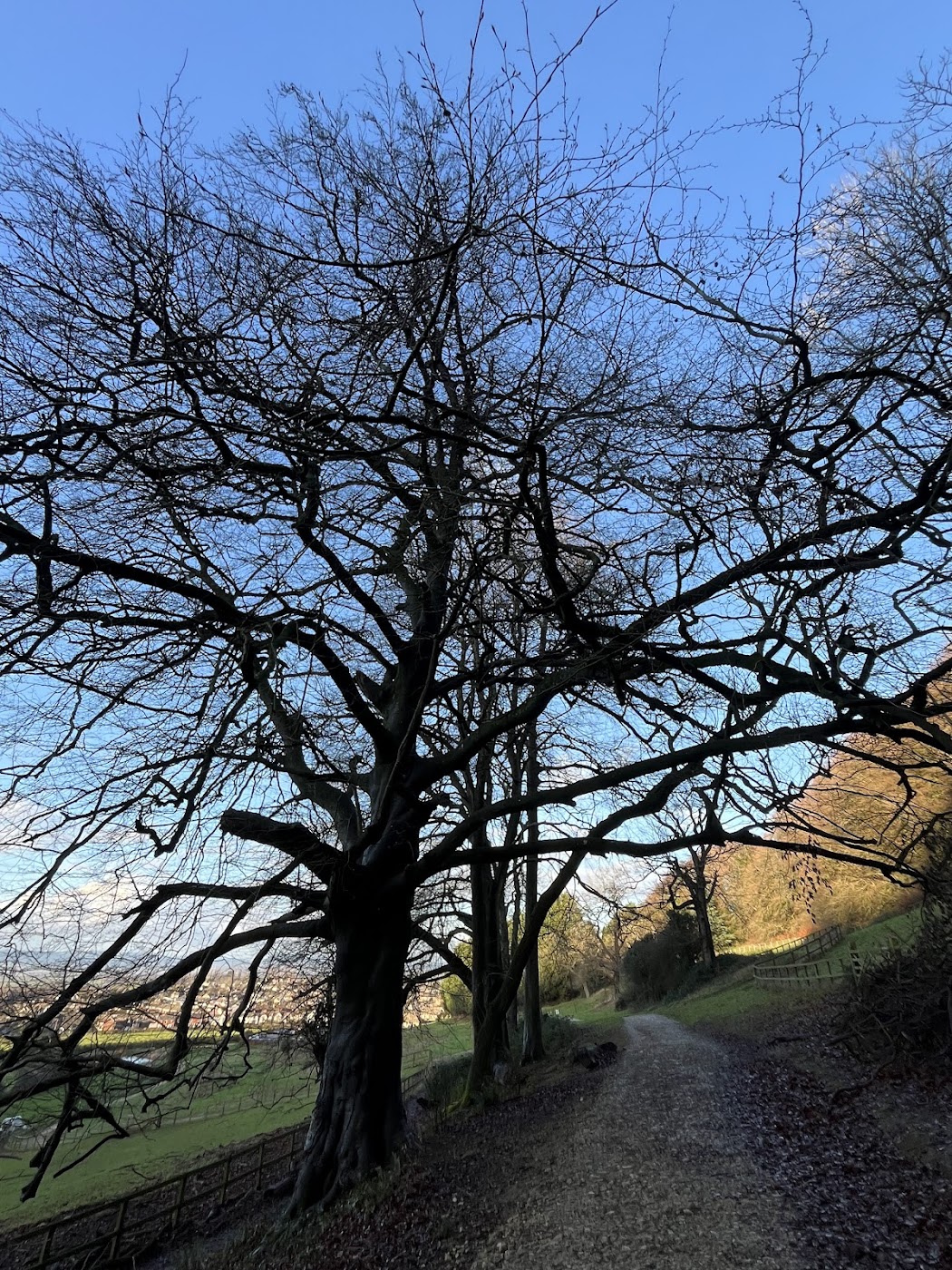
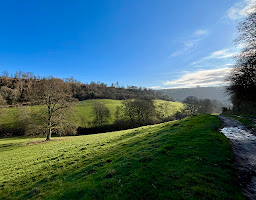
We love this rural hamlet best in the cold clarity. It seems to pour icy blue sky into the saucer of the loping green fields. Smoke rises from cottage chimneys and you can see your breath inside the 12th century Church of St. Nicholas, which has a striking octagonal tower.

Paris

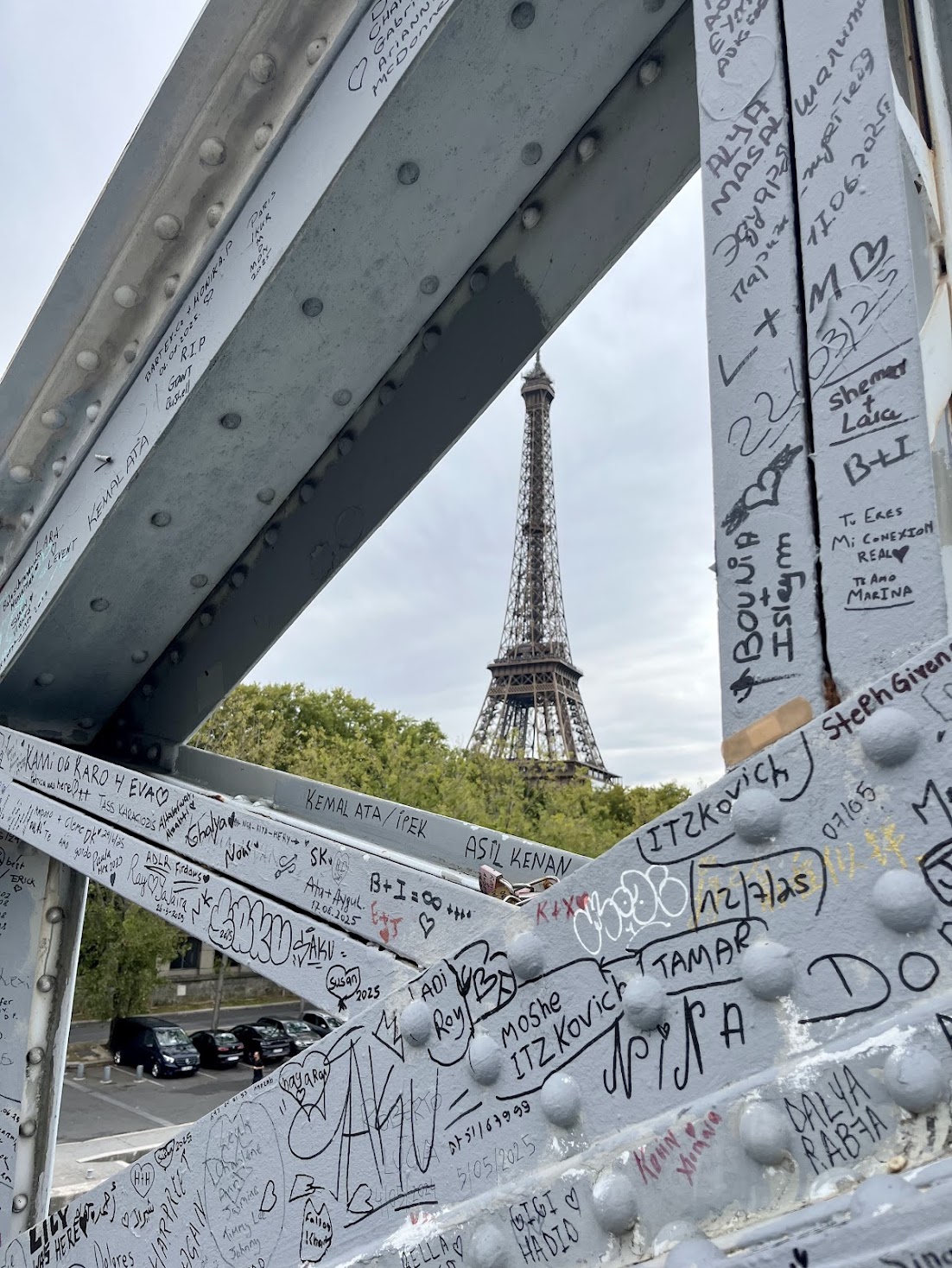
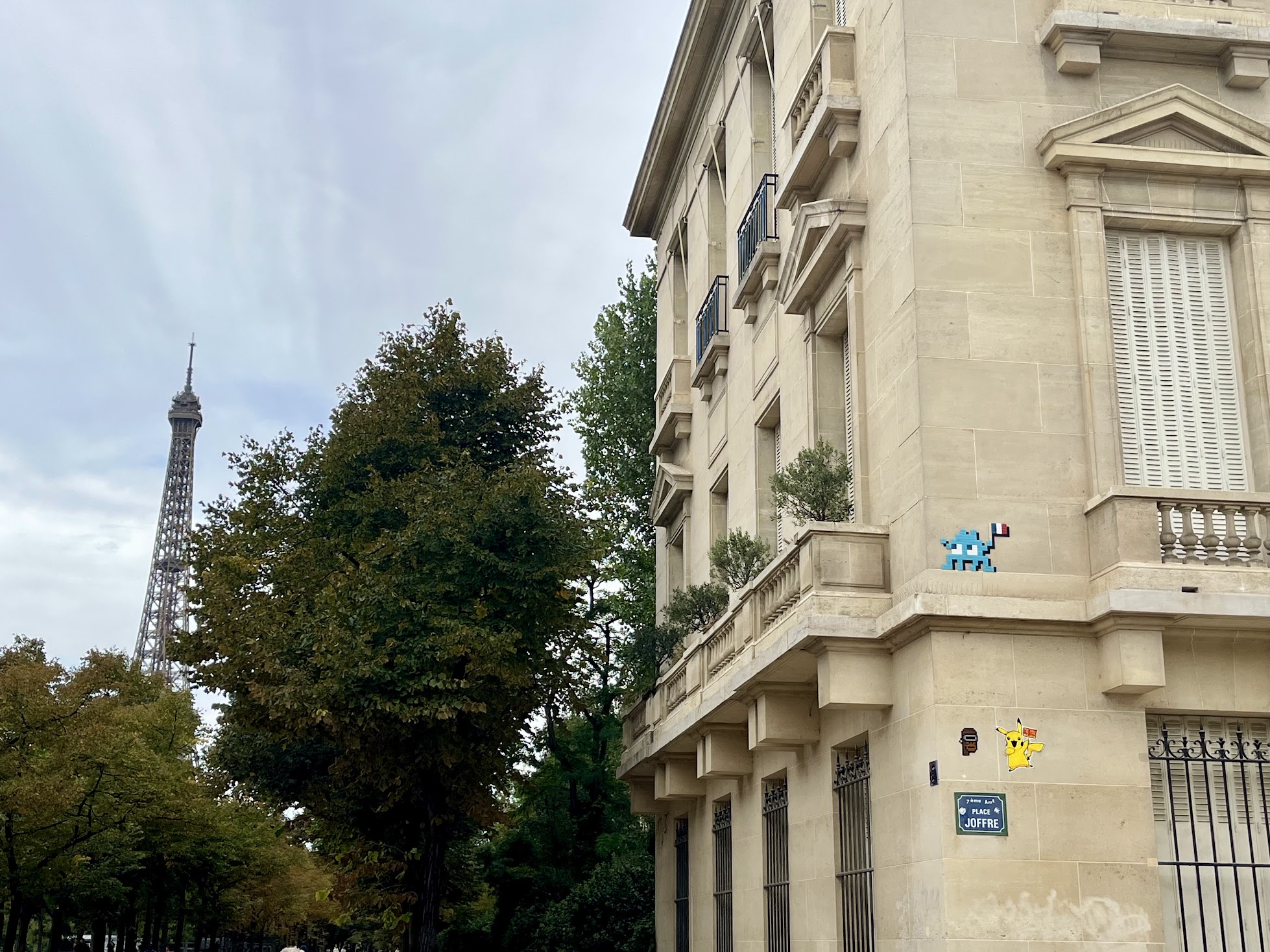
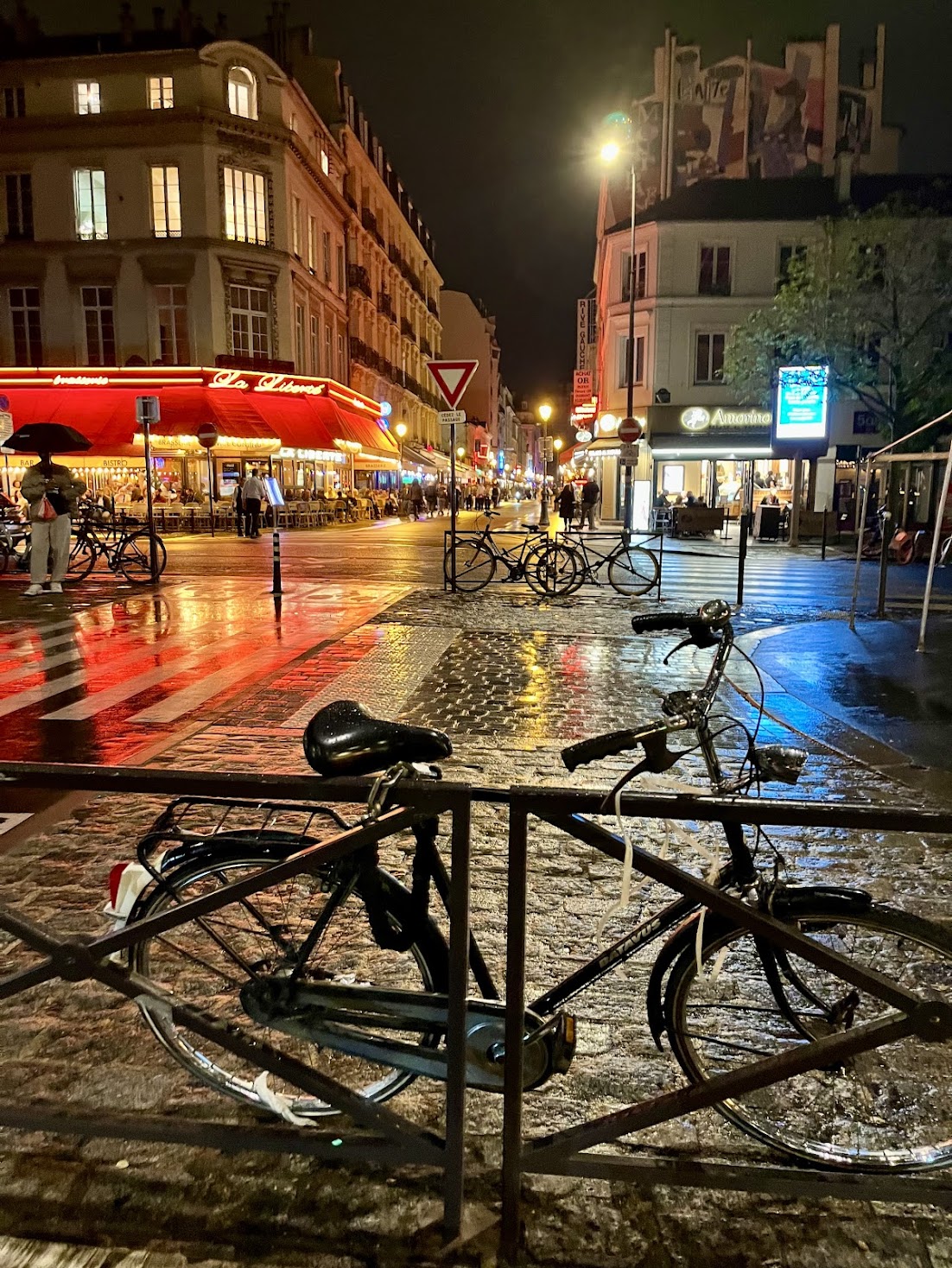
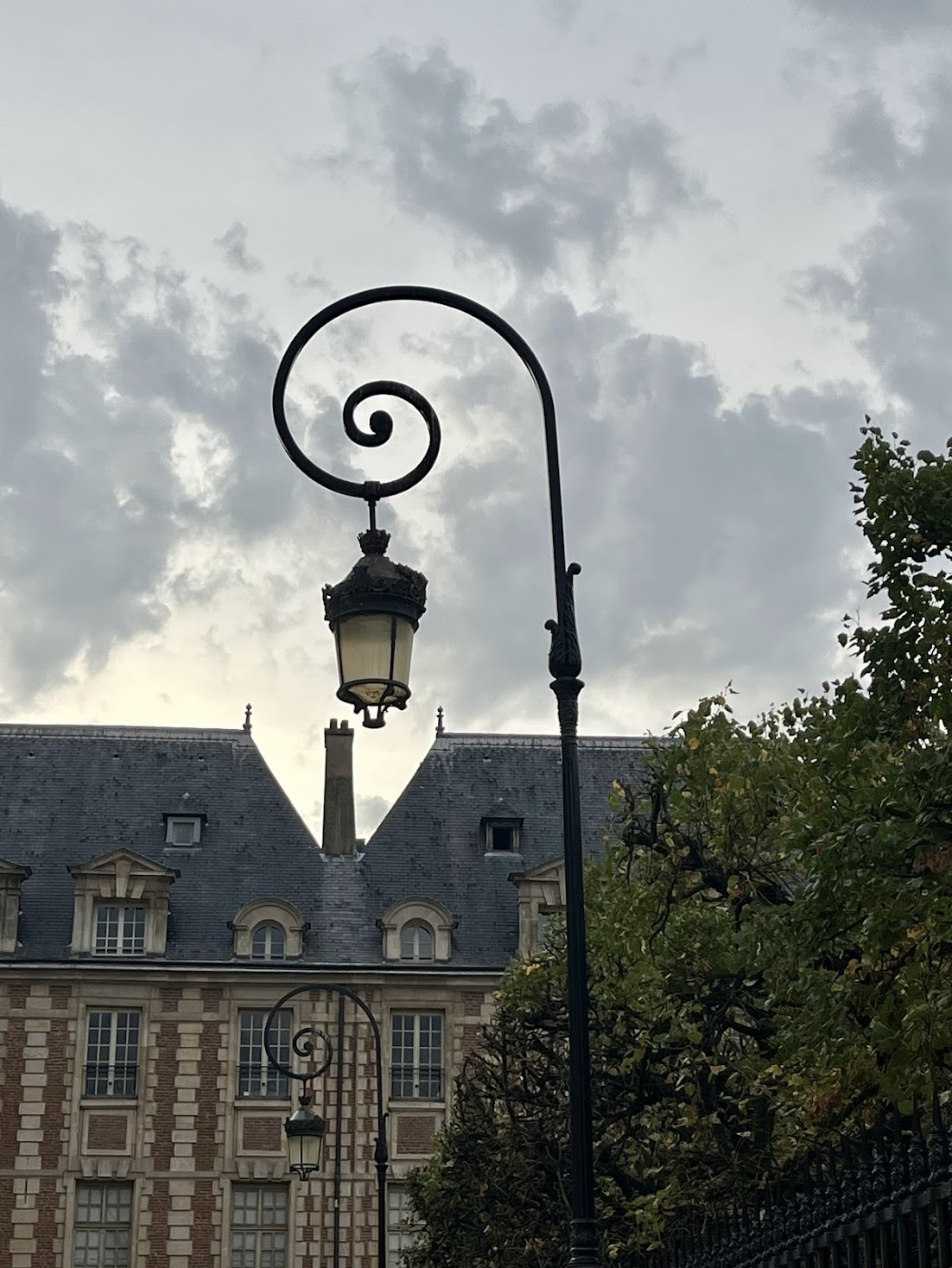
Although our reason for visiting Paris was bittersweet, we made the most of exploring the city. We scattered my aunt’s ashes in the Seine behind Notre Dame and wandered the alleys of the Marais. The next day, we walked down toward the Eiffel Tower, cutting through leafy squares between pretty vintage buildings with mansard windows and Invader street art mosaics.

London

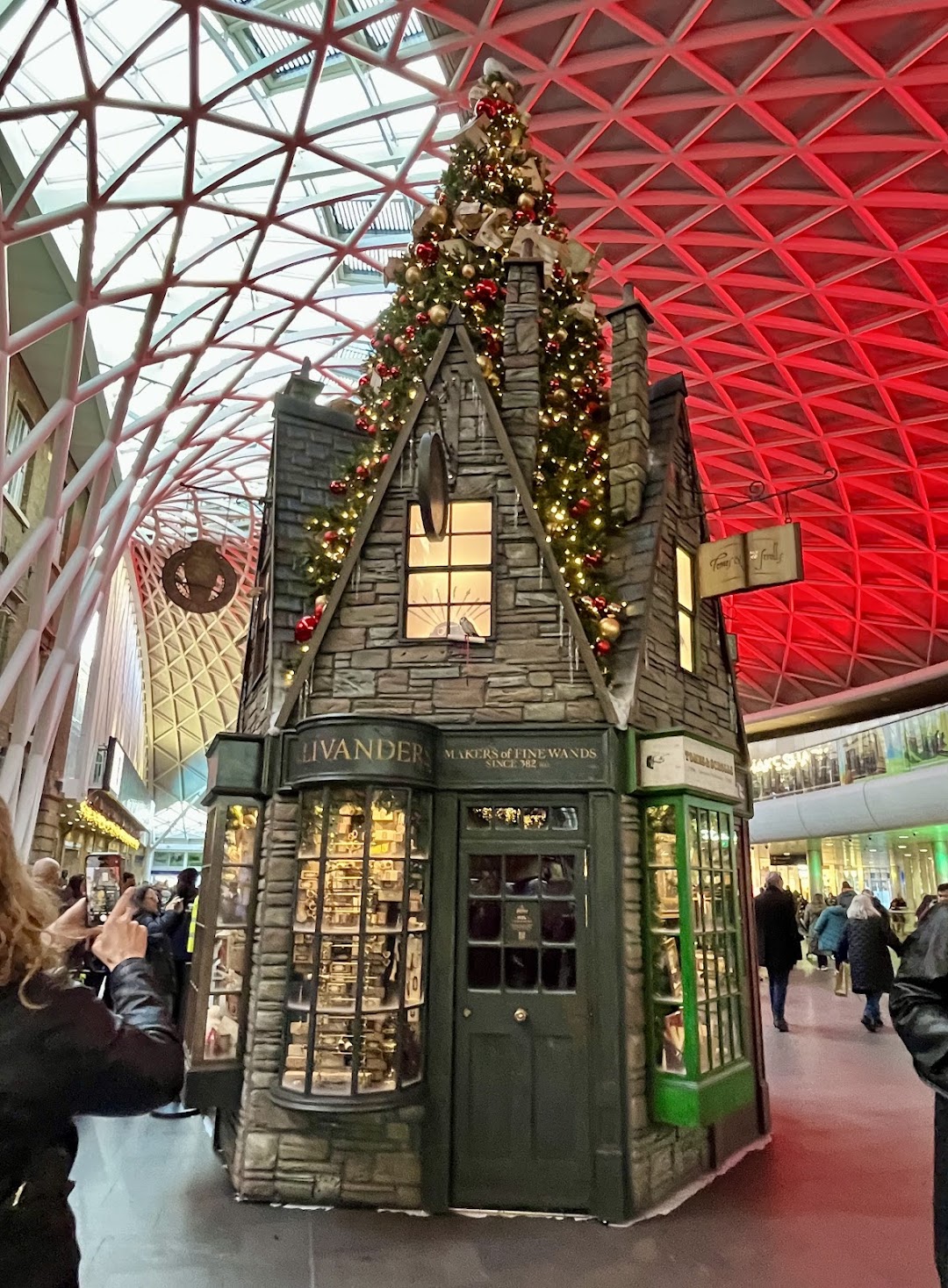
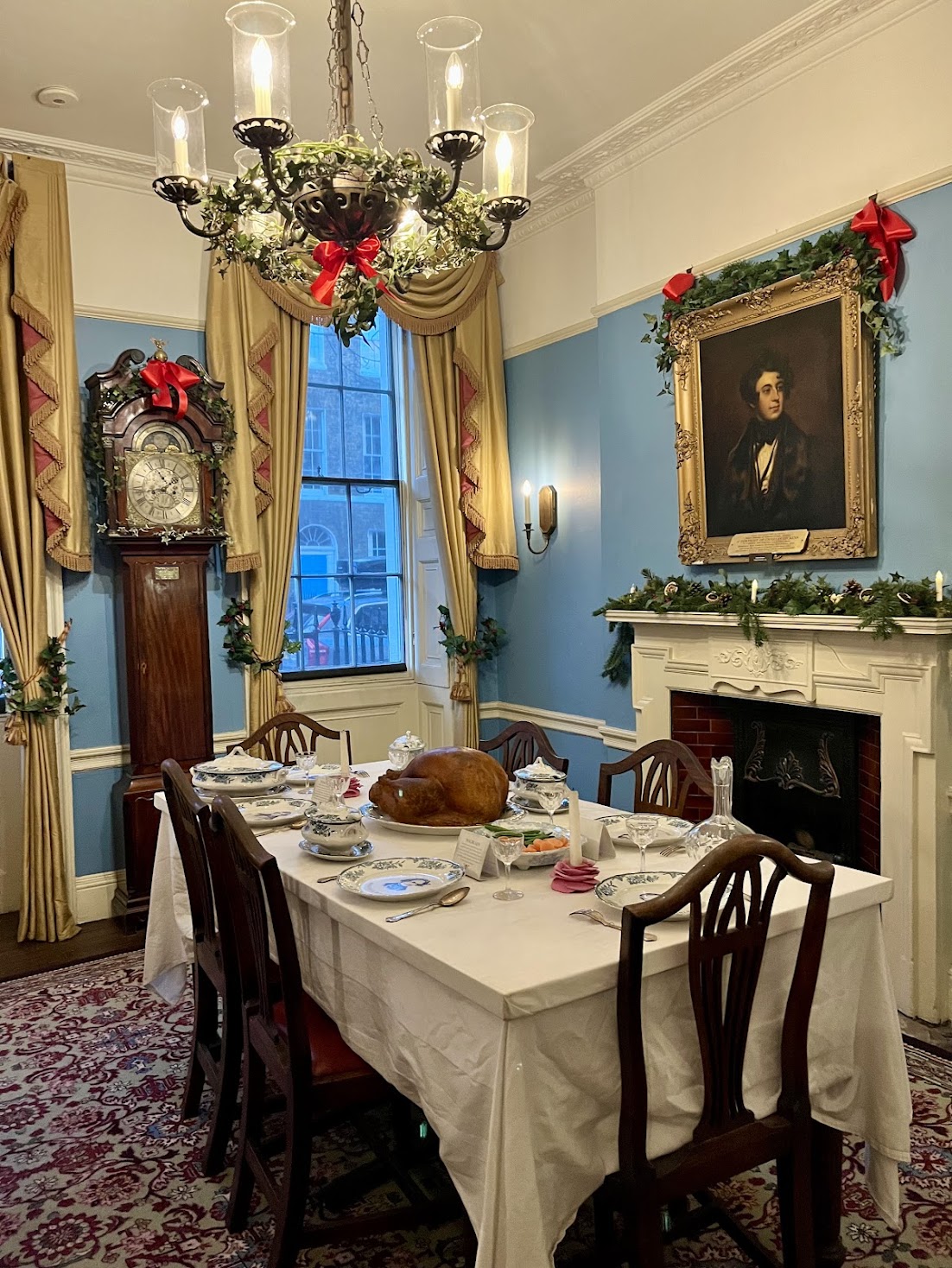
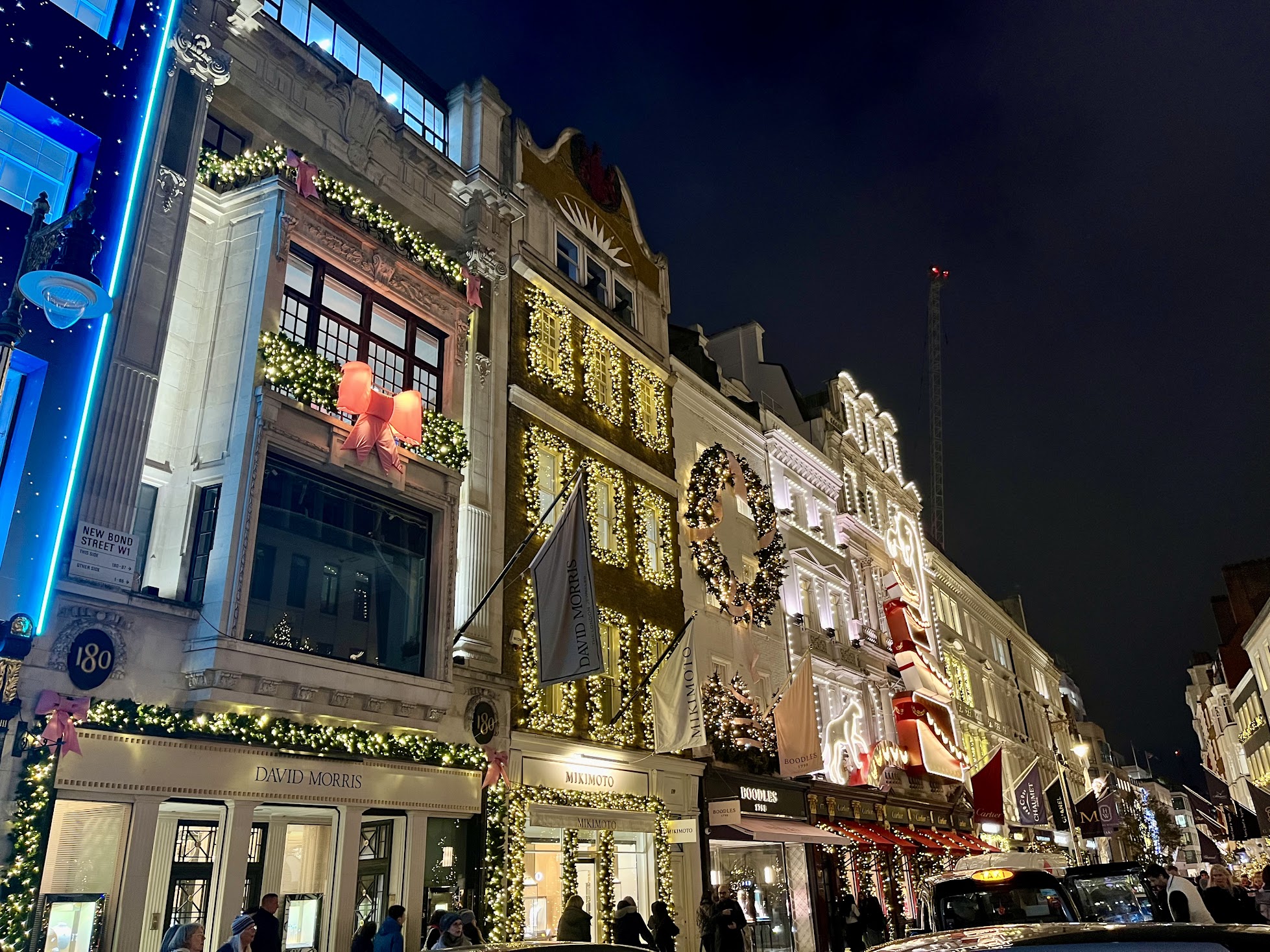
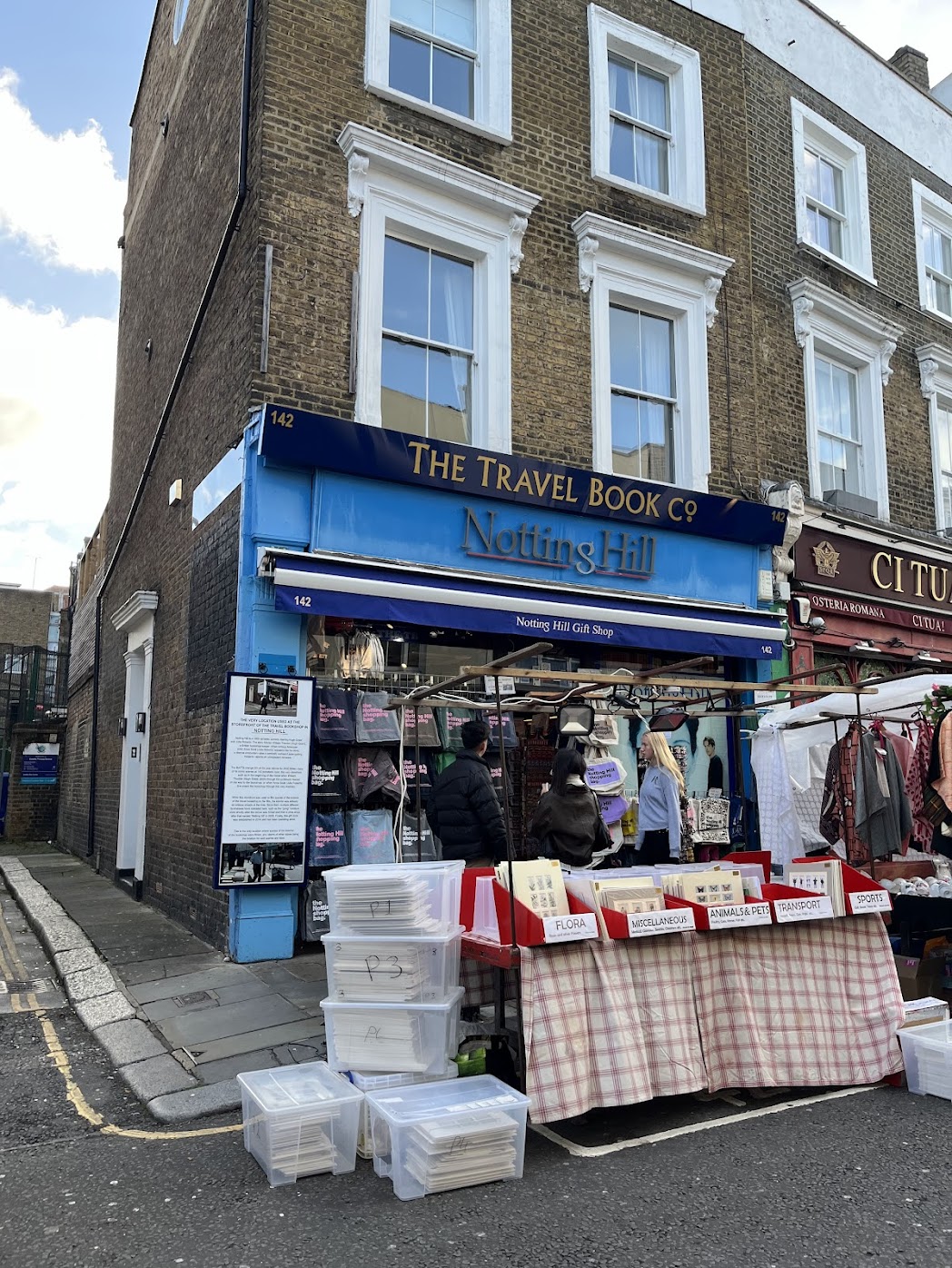
Proof a city can be festive without snow. I went on a Christmas-hunting expedition at the end of November, hiking 13 miles around the capital in 8.5 hours. From Harrods to Kings Cross and St. Pancras train stations, to the Charles Dickens Museum and then the stunning shopfronts of New Bond Street, all fueled by gourmet hot chocolate to go from El & N, you could definitely say ChristMUSS was all around.

Mount Washington, New Hampshire

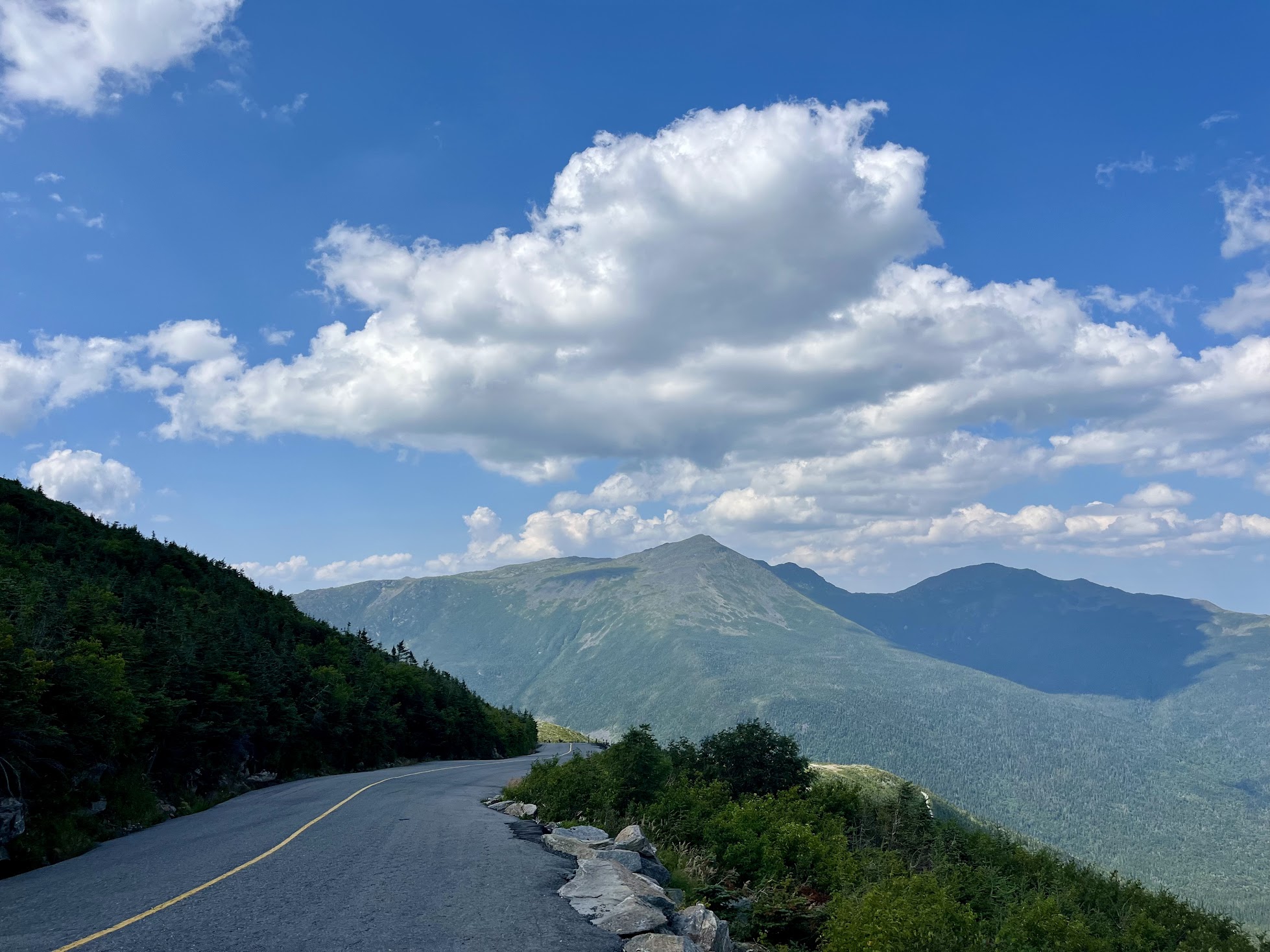
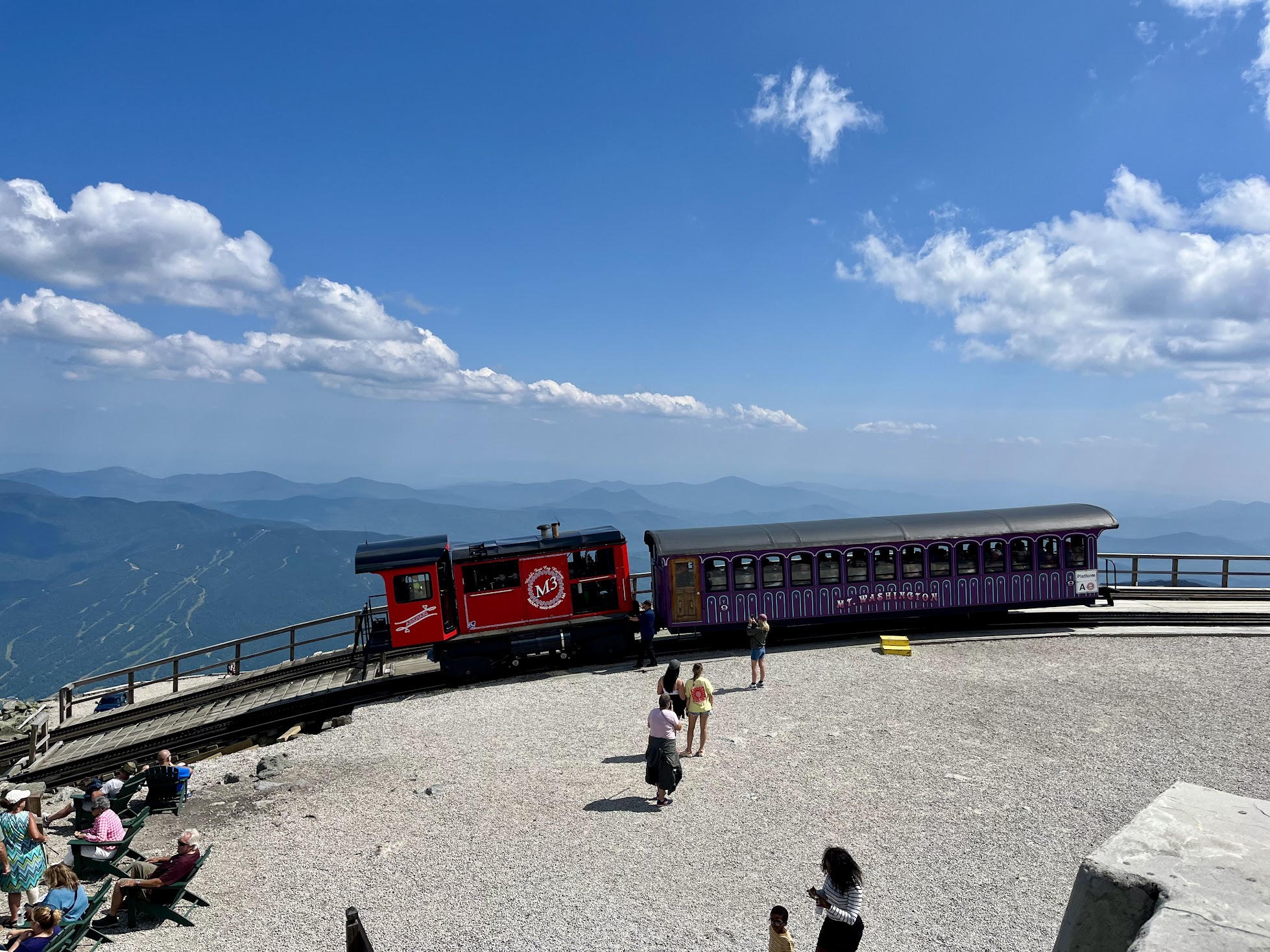
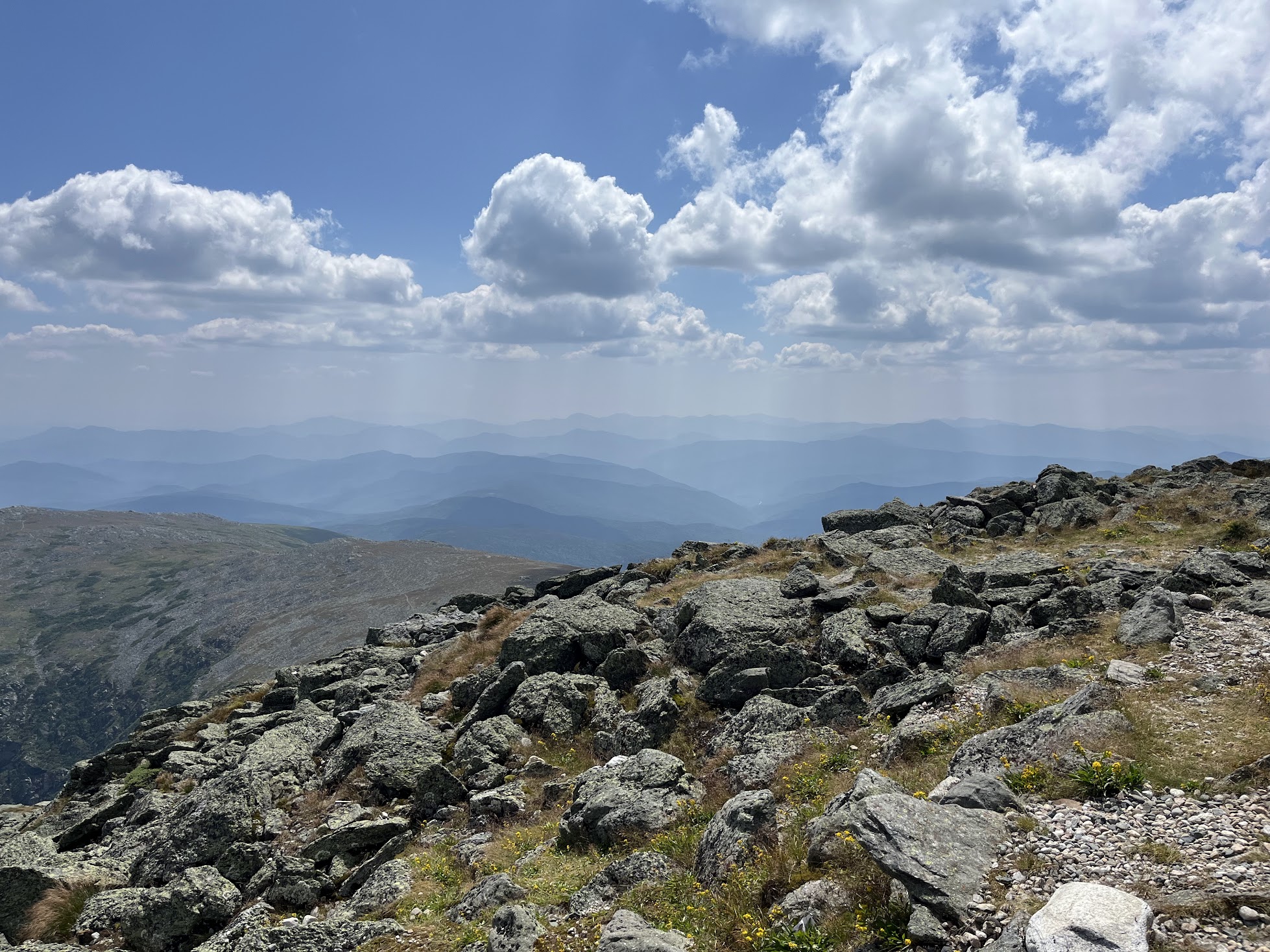
This feels like a bit of a cheat since much of this “wander” was driven. The old Auto Road zigs and zags slowly up to the 6,288-foot summit, the highest in Northeastern North America. The well-paved road feels narrow and is often without any railing or fence, so the views as you ascend beyond the other White Mountains are spectacular but a bit scary. There is scope for wandering at the top, scrambling over rocks and watching the Cog Railway arrive and depart.

Athens

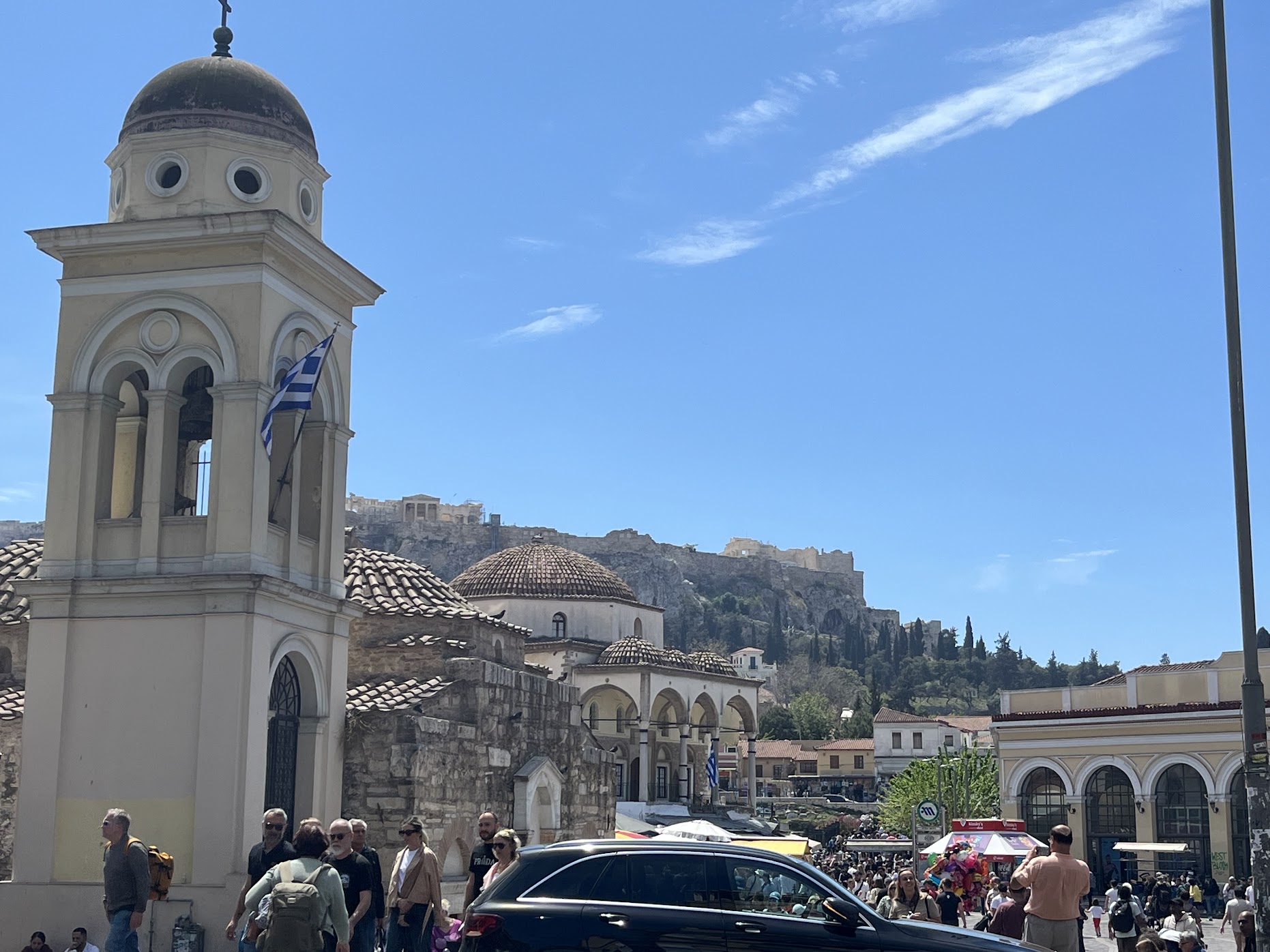
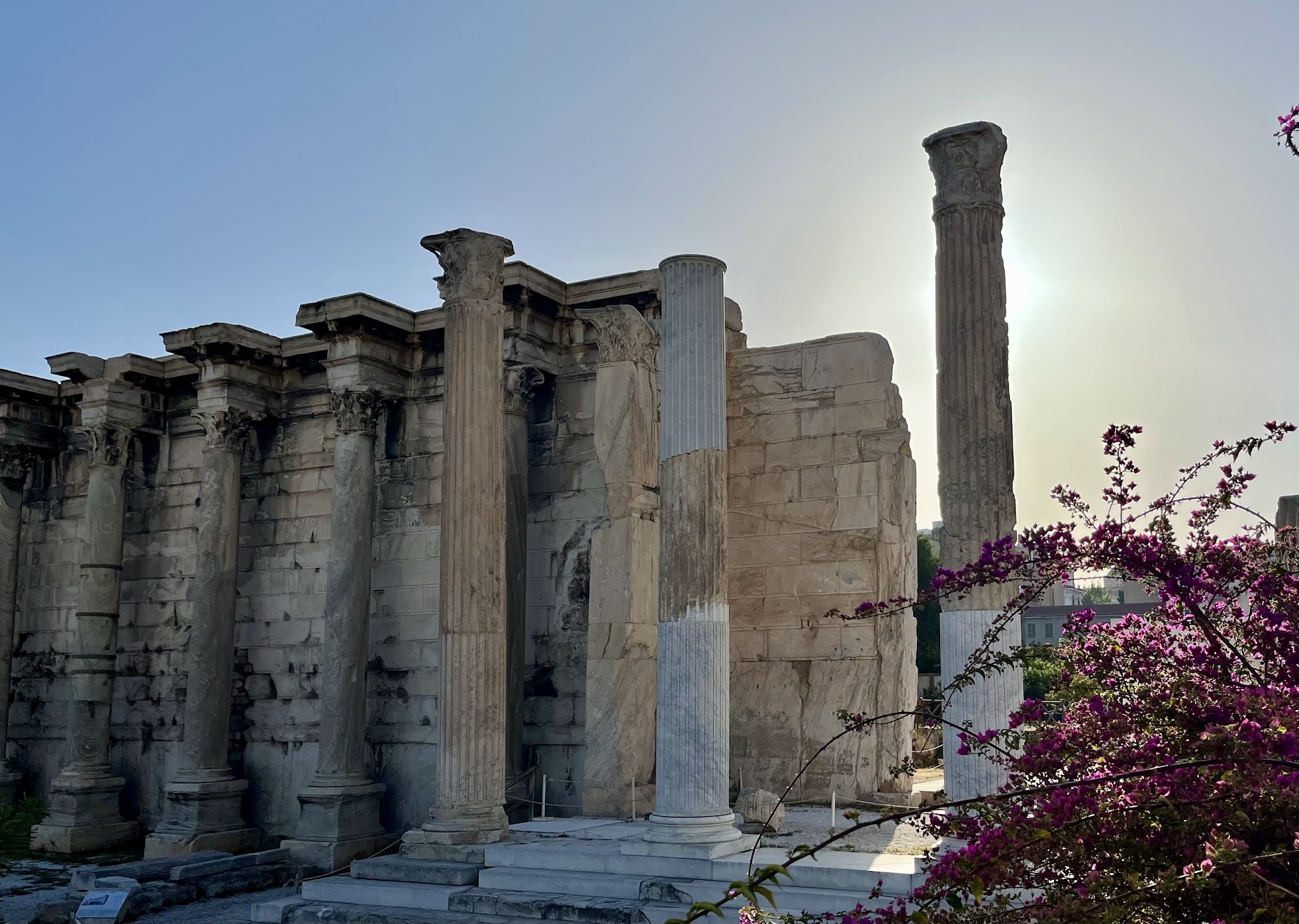
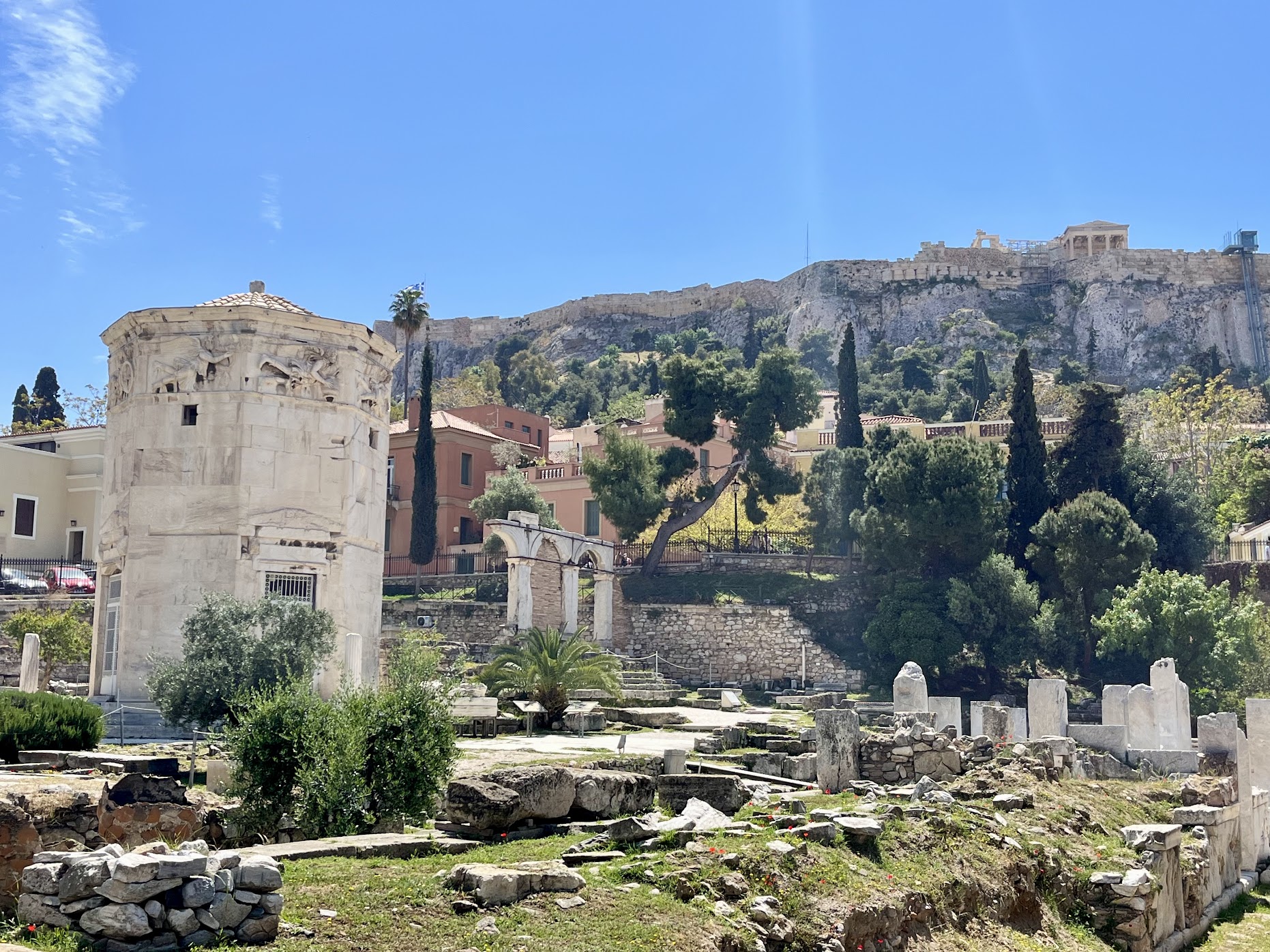
I did get around a bit, didn’t I? Most years, I’m not visiting four different countries. This was my first visit to Greece, and it was so exciting to walk down a busy, somewhat dingy street and see the Acropolis in the distance. I loved the views from Monastiraki Square, thronged with crowds. A band played and restaurants grilled meat outside. Across the Square were the beautifully weathered pillars of Hadrian’s Library, and beyond that the ruins of the Roman market, surrounded by gorgeous houses with bougainvillea climbing the gates.

2025 Reading Round-Up

With minimal ado, here are my favourite books out of all I read this year. These are truly the 10 best of my best, because there were a few more which I rated with the full 5 stars.

What were your favourite reads this year? Have you read any of these books yet? I know I’m a bit late to the party on some, and I’d love to hear what you thought if you read some of these before.

The Women by Kristin Hannah

An epic tale of an Army nurse in the Vietnam War. She also has to cope with re-entering civilian life, particularly challenging with her upper-class family. They serve as a contrast to the strong, unconditional friendships she formed with other Army nurses. Truly an eye-opening read.

“Time and friendship had done exactly as promised: pain and grief had grown soft and malleable in her hands, almost pliable.”

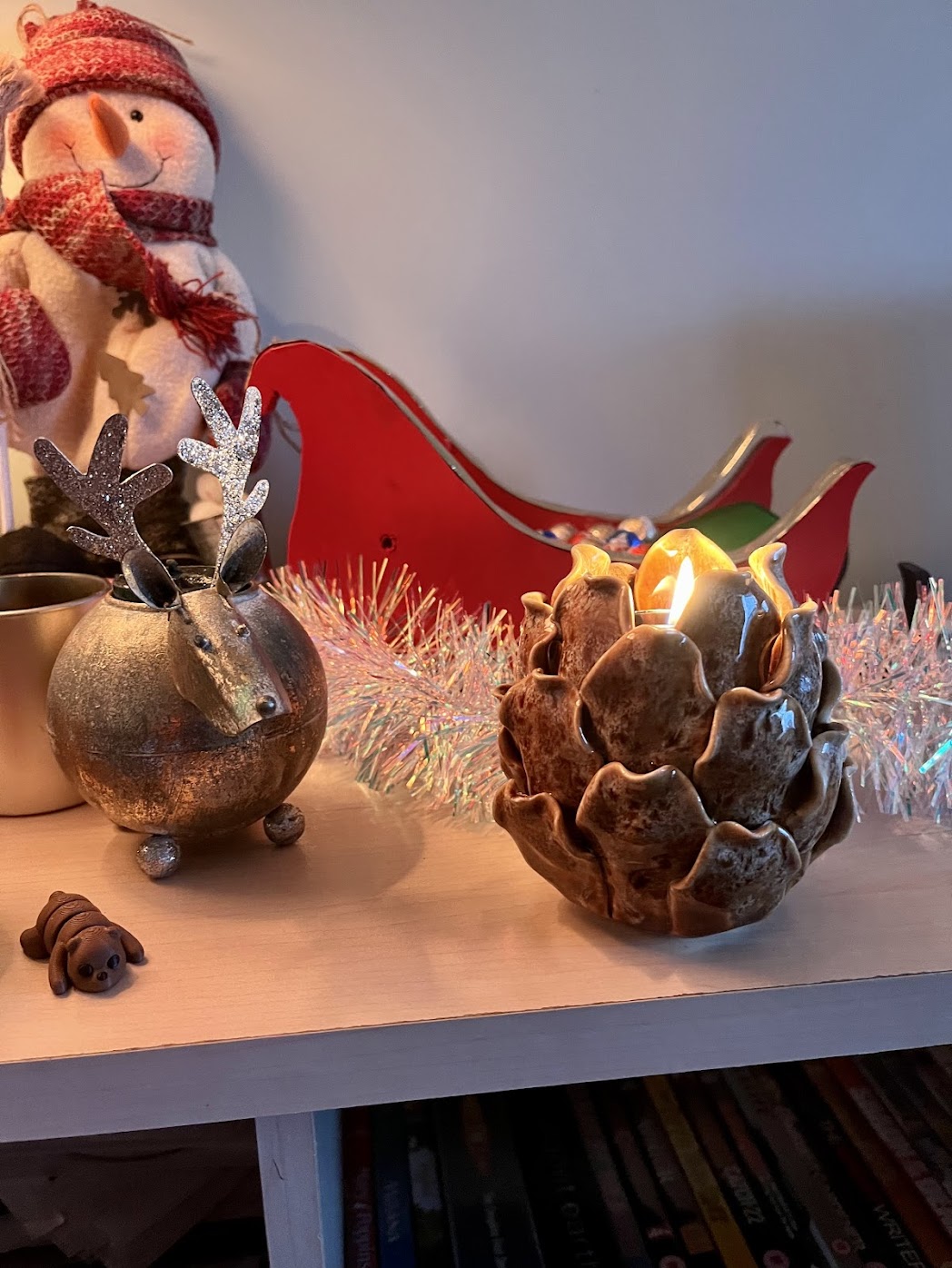
Cosy festive reading corner

The Lives of the Dead by Fiona McKay

I joined a book group specifically reading novellas-in-flash. It’s been exciting to explore, and I found this one particularly powerful. Each very short chapter is a mini-story, alternating between episodes in a new wife/ mum’s suffocating life, and stunningly retold fairy tales.

“It’s the kindness that does her in, that releases her long-held tears, that leaves her to walk back, red-eyed, along the line of women when she’s done; kindness, the essential vitamin missing from her supplements, the one she didn’t know she was lacking.”

Anxious People by Fredrik Backman

I love ensemble pieces, where a quirky range of characters are thrown together. In this case, it’s at an apartment viewing which then goes wrong due to a desperate, bungled burglary. It’s funny and warm, the sort of thing to help survive a Scandinavian-level winter.

“Our hearts are bars of soap that we keep losing hold of; the moment we relax, they drift off and fall in love and get broken.”

Love lay down beside me and we wept by Helen Murray Taylor

I know Helen from the Women Writers Network, so I have been looking forward to her mental health memoir for years. She focuses on when she was sectioned in Glasgow following a breakdown. Helen reveals the contradictions we might hold in our minds at our lowest point and still she invites you in with humour.

“Trying to describe love was like trying to stroke Schrodinger’s cat.”

The Given Day by Dennis Lehane

I love Lehane’s books, especially his snappy dialogue. This novel is set in Boston just after WWI and deals with racism, poverty, immigration, labour rights, and even the tragedy of the Boston Molasses flood. It made me appreciate that the USA has come through incredibly tense times before, and we may yet make it.

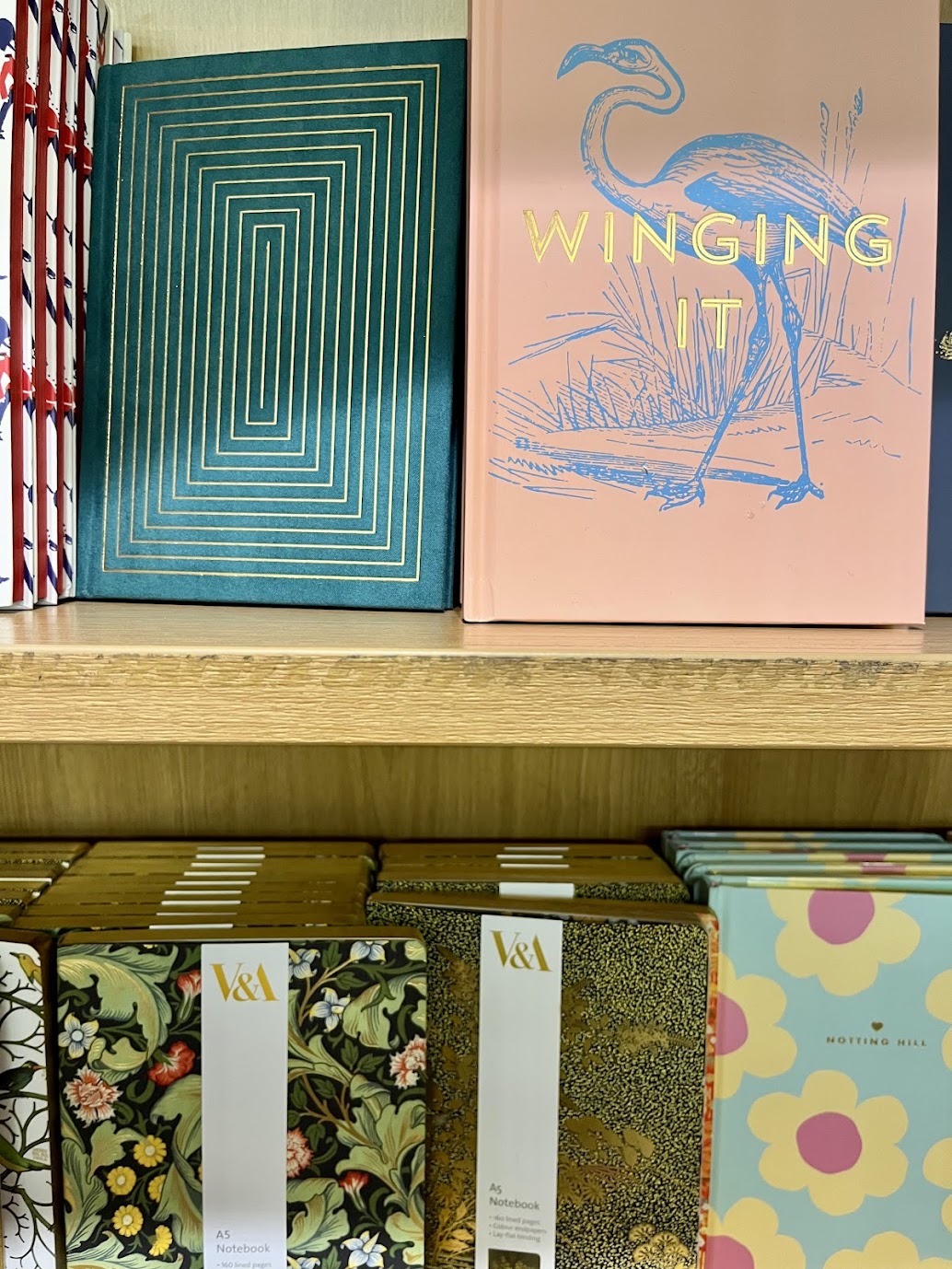
“Have you got Winnie-the-Pooh?”
“Time and again what was renounced as treasonous was merely a man standing before a crowd and demanding he be treated as a man.”
Orbital by Samantha Harvey

Short and searingly beautiful, this Booker Prize winner is a wondrous read. It takes us through one day in the lives of six astronauts on the International Space Station, describing the many juxtapositions of what they see below on their various orbiting paths, and lyrically weaves in the astronauts’ backgrounds and aspirations.

“He has an idea that if you could get far enough away from the earth you’d be able to understand it—to see it with your own eyes as an object, a small blue dot, a cosmic and mysterious thing. Not to understand its mystery, but to understand it is mysterious. To see it as a mathematical swarm. To see the solidity fall away from it.”

All the Light We Cannot See by Anthony Doerr

A great book about totalitarianism and war, with breathtaking depth of character. Both protagonists were so incredibly rich in background and passion for their interests, Marie-Laure with her Verne books and her understanding of how to get around without her sight, Werner and his machines and radios.

“She feels the great granite fist, sunk deep into the earth’s crust, on which Saint-Malo sits, and the ocean teething at it from all four sides…She hears the bones of dead whales stir the leagues below, their marrow offering a century of food for cities of creatures who will live their whole lives and never once see a photon sent from the sun.”

Home Bird by Fran Hill

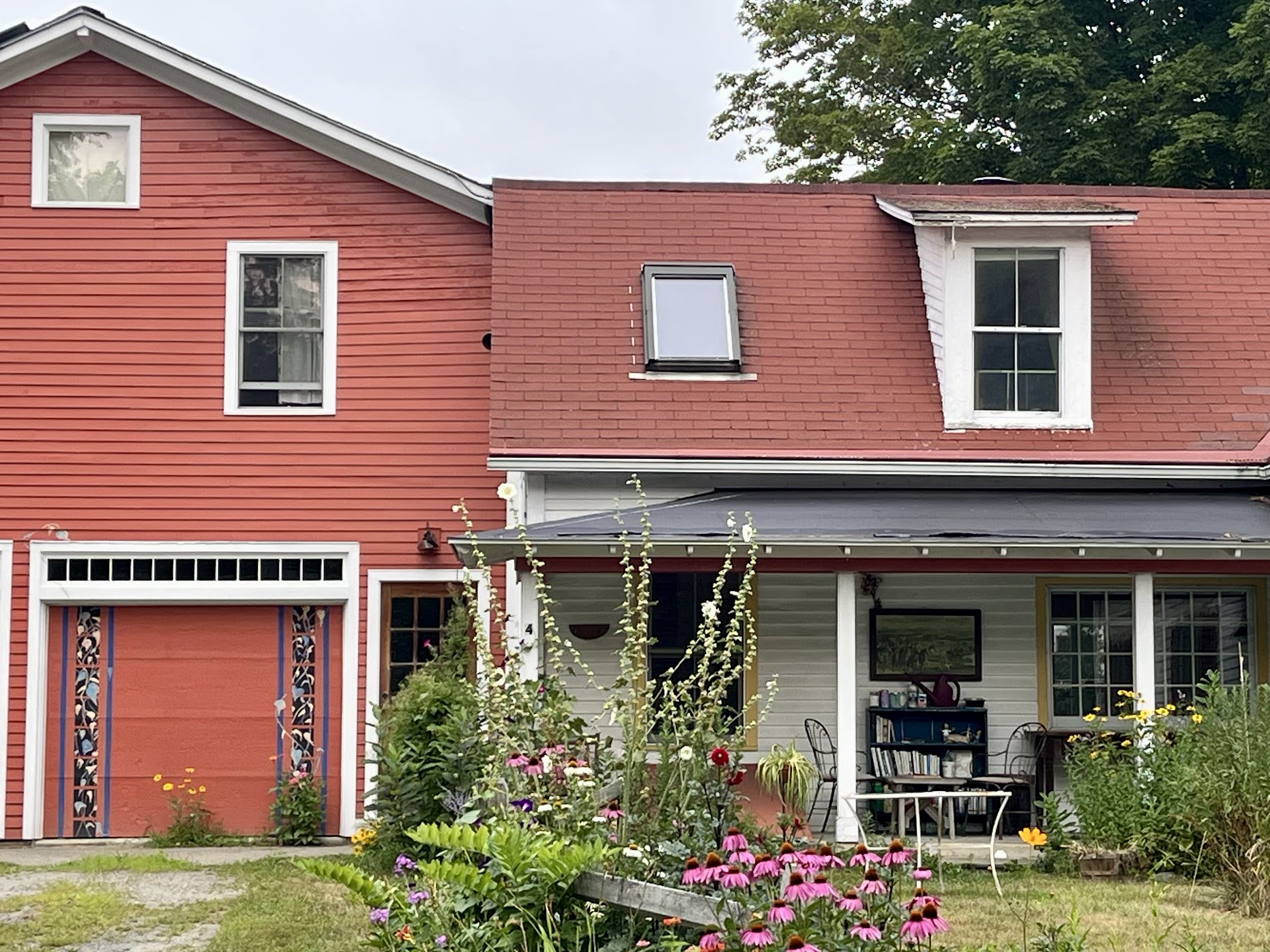
A reading verandah! Found on a walk in small town New Hampshire.

If you’ve read Fran’s Substack–and you really should–you’ll know she excels at writing humour. But I love her detail selection even more. Her plots advance quickly through the specifics her narrator includes, bringing out the nuances of relationships and recreating the period of her novels. 

“She knocked on my door, saying, ‘There’s Bakewell tart going spare,’ but I said, ‘It’s not the only one,’ and she left me alone.”
 
Still Life by Sarah Winman

A true feast of a book, celebrating art and travel and food but most of all friendship, the abiding kind that’s more like true love. After World War II, an unlikely band of Londoners, united only by happening to drink at the same pub, move to Florence and discover worlds both old and new.

“‘We’re embarking on a world of new language and new systems. A world of stares and misunderstandings and humiliations and we’ll feel every single one of them, boy. But we mustn’t let our inability to know what’s what diminish us. Because it’ll try. We have to remain curious and open.’”

Tomorrow and Tomorrow and Tomorrow by Gabrielle Zevin

This book is about the creative process, relationships, grief, negotiating differences in ethnicity and sexuality… oh, and videogames. I loved it so much. The section about the NPC (non-playable character) is the most gorgeous and heartbreaking that I have ever read. 

“Memory, you realised long ago, is a game that a healthy-brained person can play all the time, and the game of memory is won or lost on one criterion: Do you leave the formation of memories to happenstance, or do you decide to remember?”

Halfway to Ninety

This Week’s Bit of String: Making it to Europe

When Operation Desert Storm began in early 1991, my aunt, a nurse, renewed her passport. If necessary, she’d be sent to military hospitals in Germany to assist wounded soldiers.

I was ten years old, and jealous. Forget the desert, the storm, the war. Germany made me think of Alps and castles and history. I wanted in on the adventure. 

I remember moaning at the kitchen table, “I’ll be an old maid by the time I ever reach Europe!”

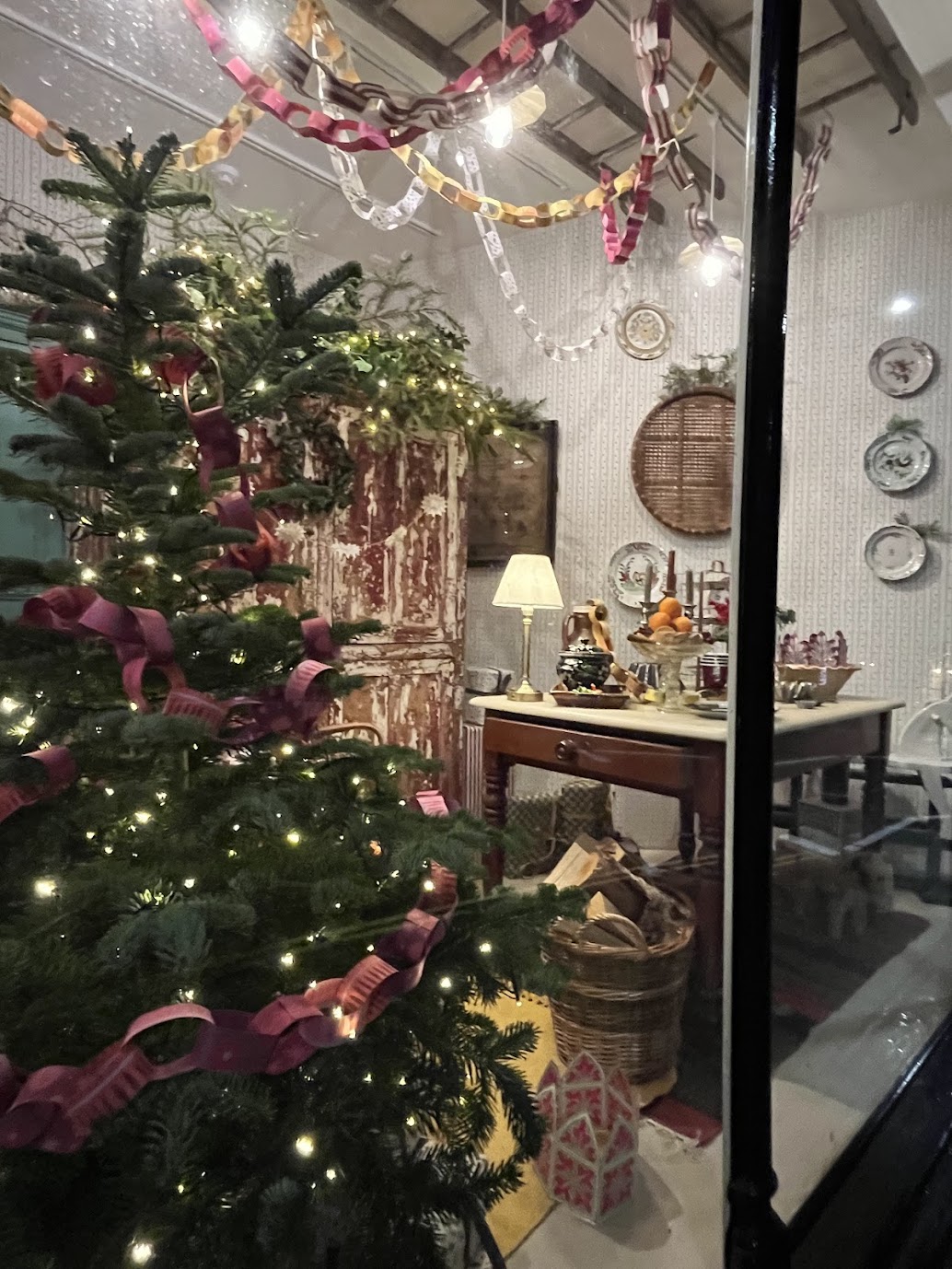
Christmas in a Cotswolds shop

In fact, I’ve lived almost half my life on this side of the Atlantic. I first visited the continent when I was 19, and I may have felt terminally single when I arrived, prematurely an old maid, but I returned to the USA [unwittingly] pregnant. Eventually, marriage anchored me here in the UK.

Life can certainly twist. I decorated for Christmas last week, hanging the stocking my mother embroidered for me, and the one she made for my husband. My Baby’s First Christmas 1980 ornaments from when I was 11 days old are on our Argos-ordered tree, and I bet my mom didn’t imagine they would travel this far. 

I turn 45 this weekend, and while it would be nice to have a few more publications to my name, I’m quite content. I’ve had the wonderful excitement of being a parent, plus occasional travel, and my job certainly isn’t dull. 

I like the sound of 45. It makes me think of a speed limit that’s high for a town centre or residential street, but just about too cautious for the highway. That suits me. I’ll be celebrating with an Italian meal in a Cotswold town, and maybe carol-singing at the local pub after. If it’s not pouring rain, I’ll have a long hike to a nearby town and write there for a couple hours the day before.

Paragraphs After Paragraphs

At work the other day, the bottom set Year 10s were working on narrative and descriptive writing. It’s for the 40-mark Language GCSE question, so the teacher insisted they write at least 5 paragraphs. That sounds impossible to them. 

The scruffy little rugby player banished to the back corner learned that I write stories. He asked, “Were they long, what you wrote?”

Laser-focused

Over the whole of my life I’ve probably written at least 5000 pages of story drafts by now. Counting my daily scribbles, it might be 10,000 (admittedly not all A4 sized).

We had this conversation as I encouraged young Mr. Rugby based on what he’d already written. He’d done three short paragraphs, and I’d never seen him so focused. It was hard work for him, but something must have gelled. In Maths and Science, he’s so distracted by other students’ antics that he barely does any work at all. 

I’d been urging him to view concentration as a muscle that needs building. “It’s like how you do drills with your rugby team, right? Let’s see if you can go thirty seconds without looking away from your work. Then a minute.”

I’m not sure this has caught on yet. But every now and then, it’s worth testing my own focus “muscles” as well. I spend the majority of my time trying to cross multiple items off a to-do list at once. With the weather worsening and the holidays approaching, it’s extra busy in some ways but it also feels like an ideal time to slow down. 

Adjusting Speed

I always re-watch the extended version of Lord of the Rings as the nights draw in. I can’t imagine watching the more concise version; I want to be immersed in the epic worldbuilding and character development. But I also have the decorations to put up, shopping to do, treats to bake, on top of the usual commitments, so for example last year, I was hanging ornaments on the tree while Return of the King was on, and I had to pause with angels dangling from my fingers to make sure I took in the wondrous lighting of the beacons.

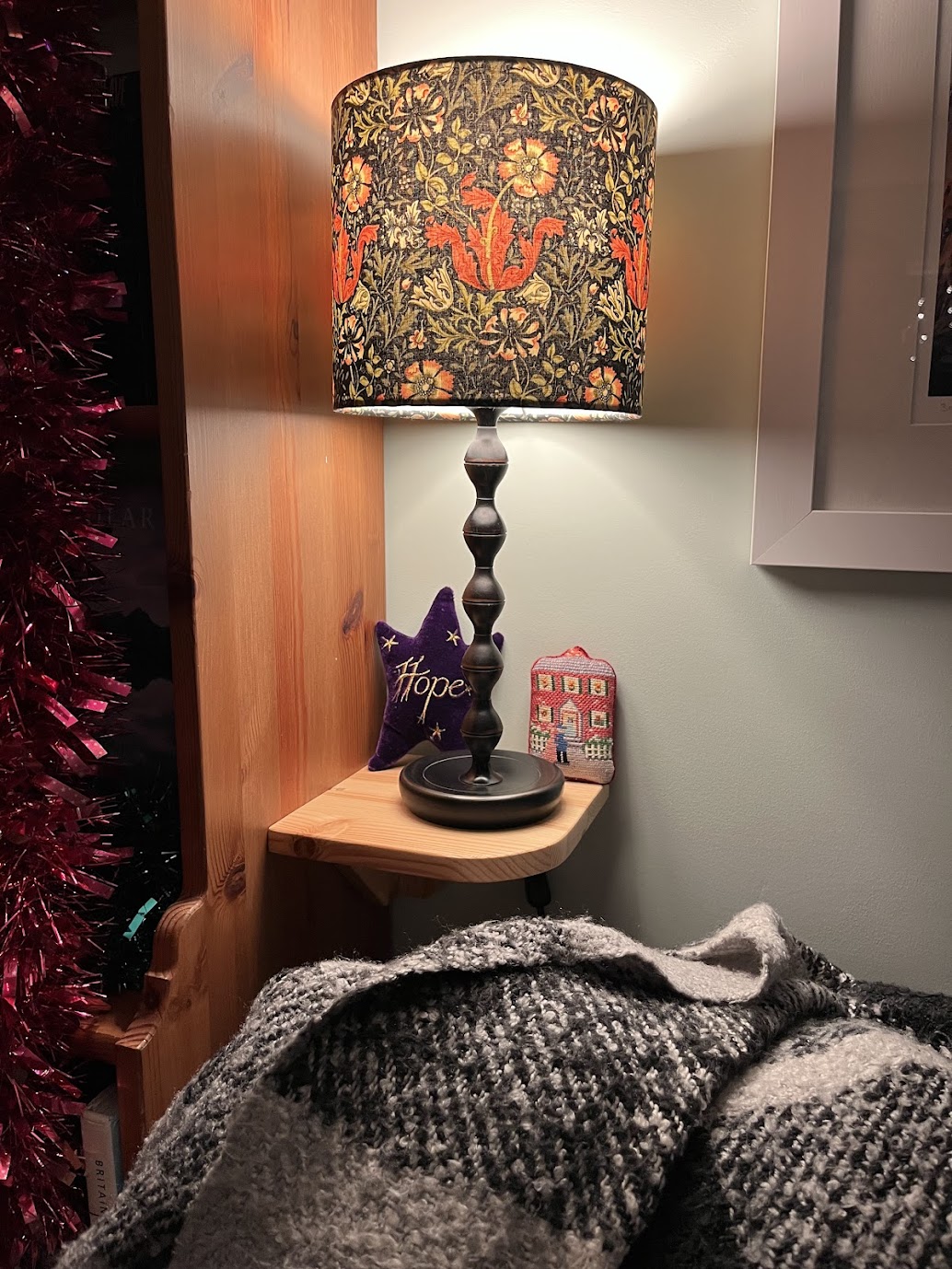
A cosy corner near the couch where I mostly do my writing (and reading)

This year, somehow I managed to be still for long portions of the films. I wasn’t even scribbling or answering messages on my phone or using the Mahjongg app. I’d lit candles, my own mini-beacons, and I just curled up to watch the story unfold.

It felt luxurious. I did the same, briefly, when I put Frozen on the following weekend. What a treat to train undivided attention on the opening scenes: the view through the ice, the sunrise and aurora colours. I miss the wintry terrain of home sometimes, and I marvel at how this Disney animation captured the slightly porous, ridged contour of the ice chunks.

I’m also treating myself to sink into a reread of Erin Morgenstern’s The Starless Sea, which I read just a year ago. But I craved the sumptuous layers of stories and magic, and wanted to see what I can pick up from a second read. 

I still have big plans of course, for Christmas and for the next year. Hikes and excursions… In 2026 we’ll be taking a little trip to France for a Jazz Festival, and I’ll visit my family. Even when I feel a bit worn out, there’s some part of me aching to keep exploring, to keep making the most of each day. I’m just reminding that intrepid young part of me that slowing down and enjoying a moment is pretty worthwhile, too.

 How might you take things a bit slowly over the holiday?

Writing Showcase

This week Lou Wilford, a fellow writer I know through reviewing and critiquing groups, has featured me on her blog as November’s Showcased Writer. Lou writes with wit and humour, so her own monthly blog posts are terrifically entertaining.

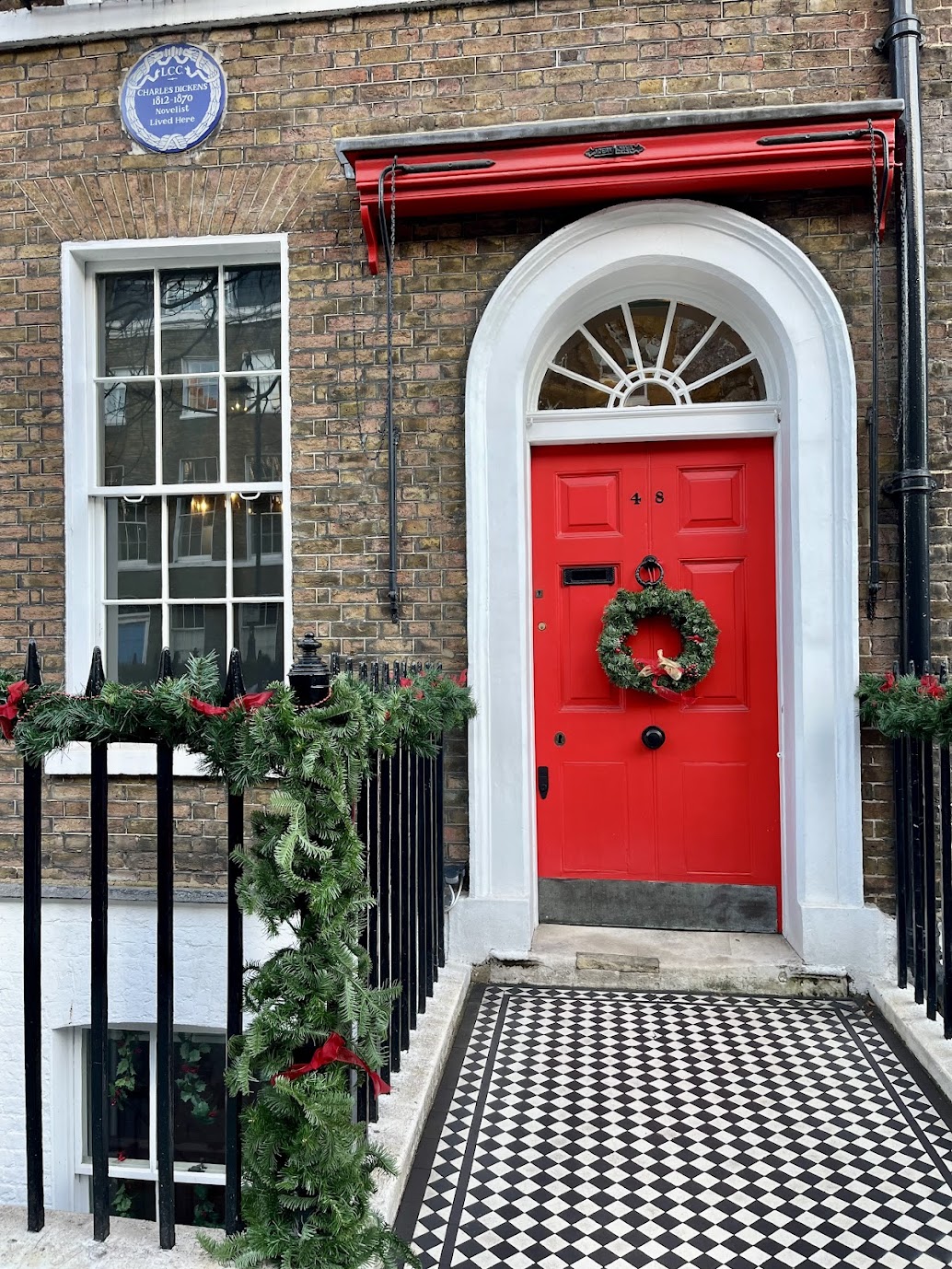
Dickens Museum, Doughty Street, London

Follow this link for my interview and a couple of stories. I enjoyed reflecting on Lou’s questions. We cover my influences and processes as a writer; what it means to be “cultured,” and the unfortunately valid question: “Are writers selfish?”

I selected my story “Centuries, in Burnt Sienna” as a sample to include in the showcase. I wrote it in 2020 and it was published in 2021, but I find myself going back to it when the world seems particularly tumultuous. Two sisters come of age in the 1980s and 1990s, and while they experience the terrorist attacks of September 2001 very differently, it ends their rivalry and brings them closer than ever before.

It’s a total classic, rich in taste and colour imagery. Also featuring pioneer Barbies at risk of dysentery, and a puppy named Periwinkle.

So anyway, that’s all I’m publishing for this fortnight. It’s handy timing. I worked hard on the interview questions and such during my flights at the end of October, and the work pays off a month later as I’m busy making Thanksgiving pies. I’m also fresh off a madcap romp through London, walking 13 miles in 8.5 hours to take in as many festive sights as possible. I expect I’ll be writing about that a bit in my Seven Wanders of 2025 coming up in another month!

Happy beginning of the holidays, everyone. Do let me know what you think of the interview. What makes a person cultured? And should we allow creative types a bit of selfishness?

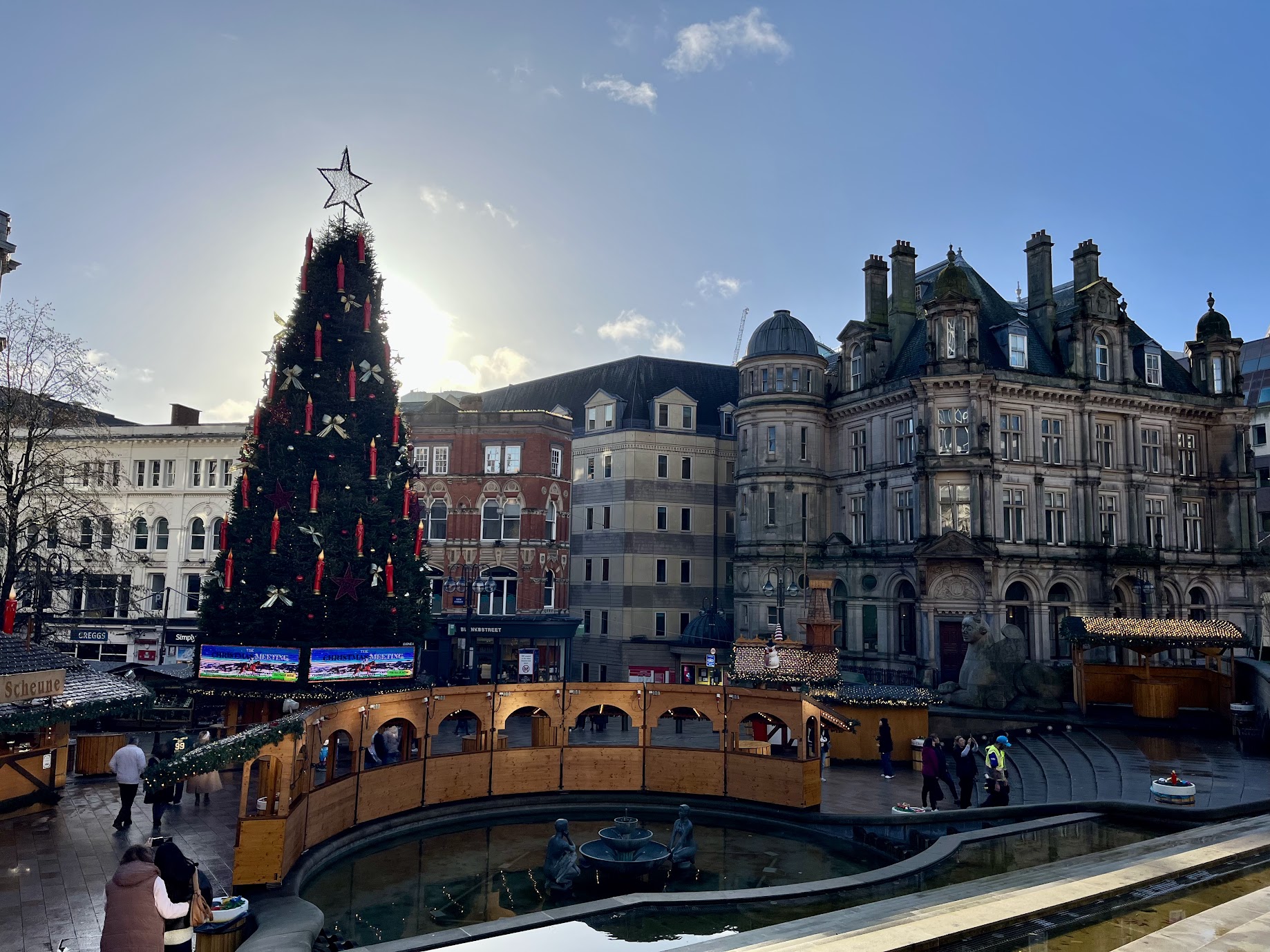
Oh, we were in Birmingham a week ago, too. All over the place these days!

Finding a Door

This Week’s Bit of String: A dark and stormy night

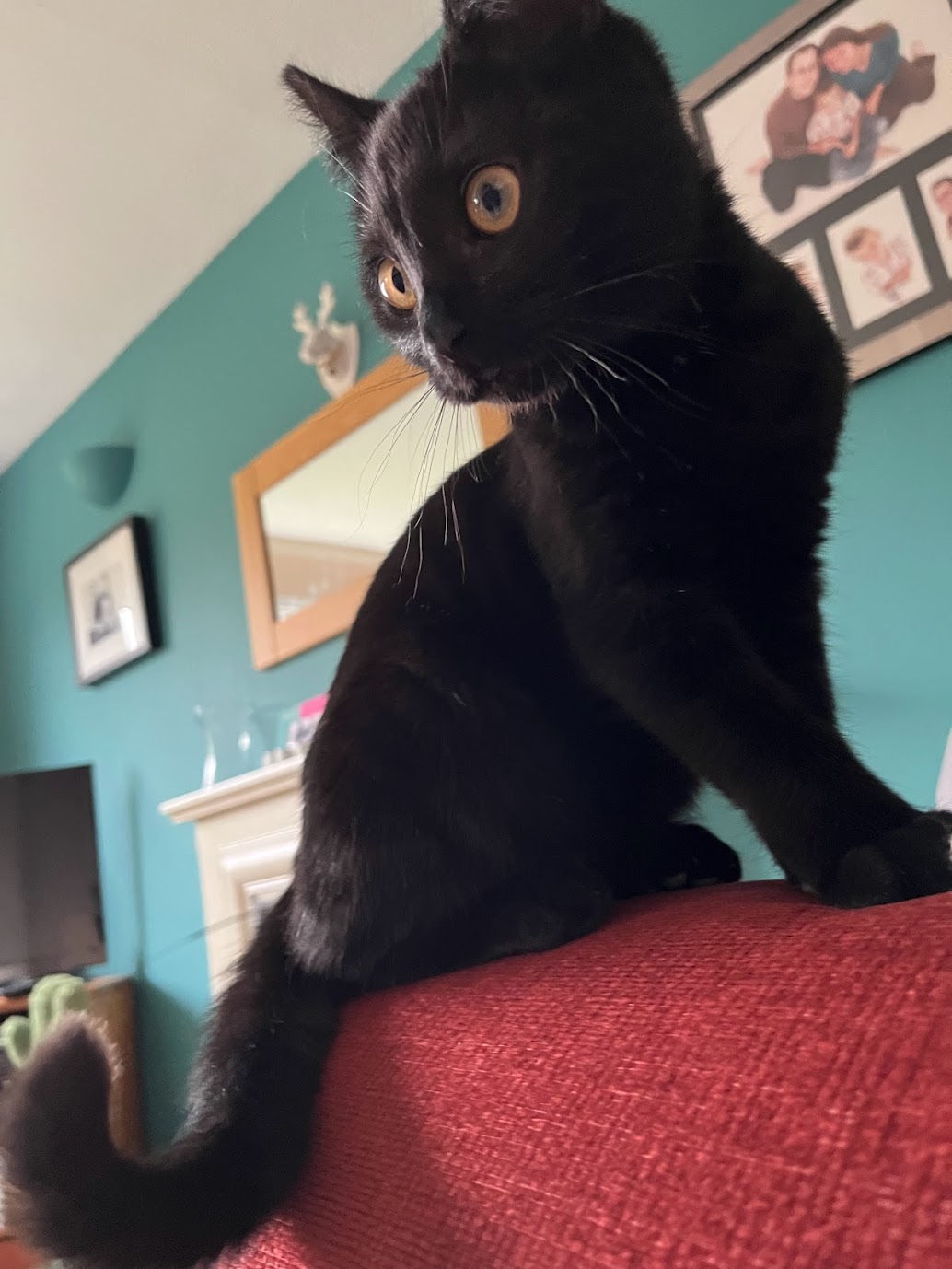
One rainy evening out of several rainy evenings this week, our cat Oberon got restless. He was hanging around the hallway, so I opened the front door in case he wanted to go out.

It’s all a bit much when you’re a small scaredy cat.

Named for the prince of the fairies, Obie does have a microchip-activated catflap in our double-glazed back door. It’s complete with fixed metal platforms in and outside the door for him to step up to the opening and then down, most daintily. Whenever possible, though, he naturally prefers a door to be opened for him.

When I opened the front door that night, exposing the wind and rain, Obie hissed immediately. That’s a no, then.

He lives in hope that the front door, actually at the driveway side of our semi-detached house, will reveal a different world from the one he sees out the back door into the garden, or the front windows onto the front garden and the cul-de-sac.

For us humans, opening our own front door rarely brings surprises. We expect most deliveries and don’t receive many guests. With Remembrance Day just passed, I consider the days when a knock at the door could bring devastating news. Now we have much tinier rectangles that do that for us.

Story Portals

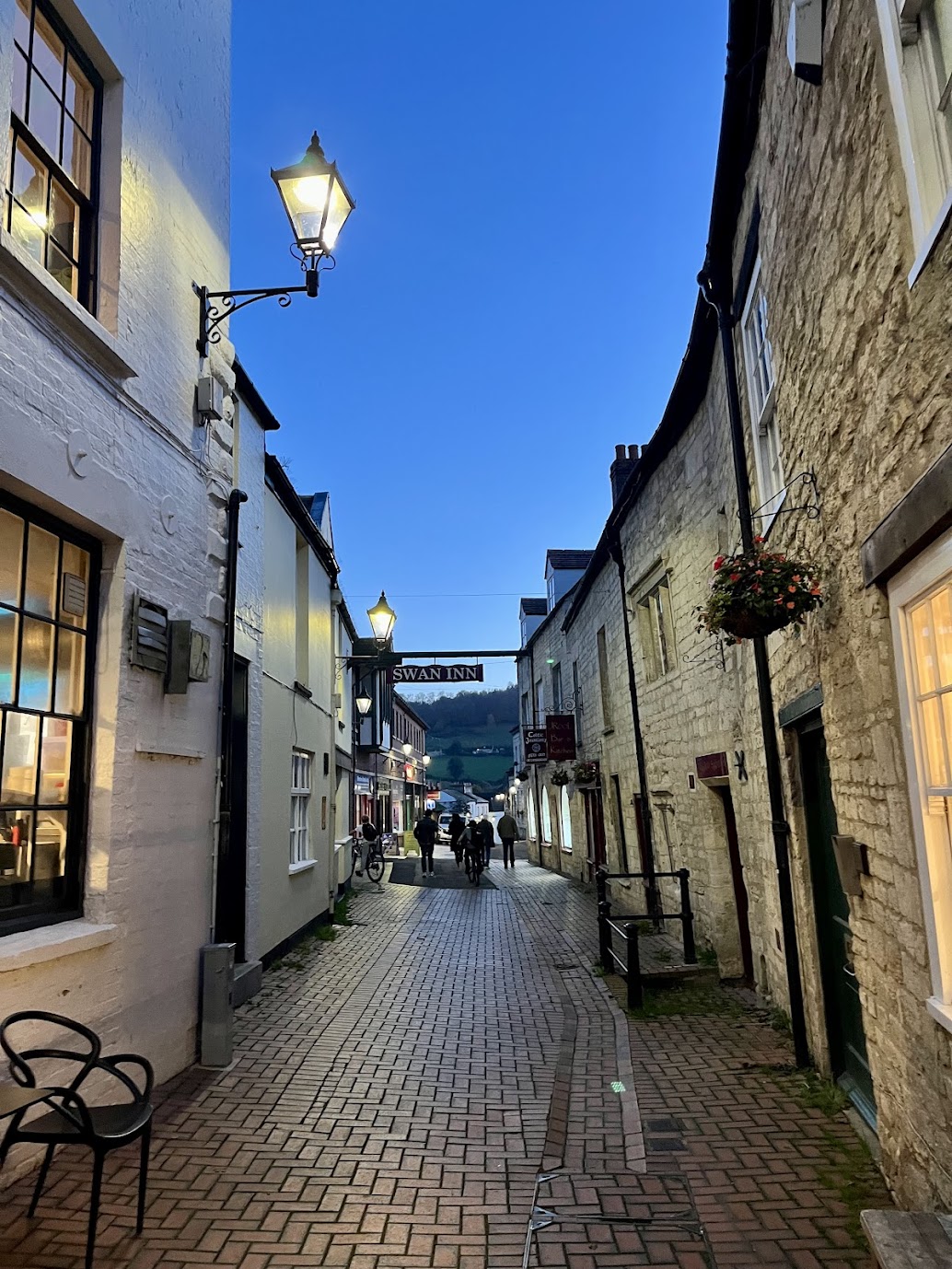
Last Saturday, before the sun retired into indefinite hibernation, I spent the day wandering around Stroud for the Book Festival there. I went to Alice Jolly’s book launch for her new novel, The Matchbox Girl. It sounds excellent, a story told by an imagined adolescent neurodivergent girl who collects matchboxes and spends time in the Vienna Children’s Hospital, where she gets to know Dr. Asperger.

Jolly told us about the Children’s Hospital, and its workers who resisted categorising children, viewed each patient as gifted, and simply believed the deficiency lay in adults who hadn’t learned to understand a child’s differences yet.

Mock exams started this week for my poor SEN students, so let me tell you, that sounds pretty awesome.

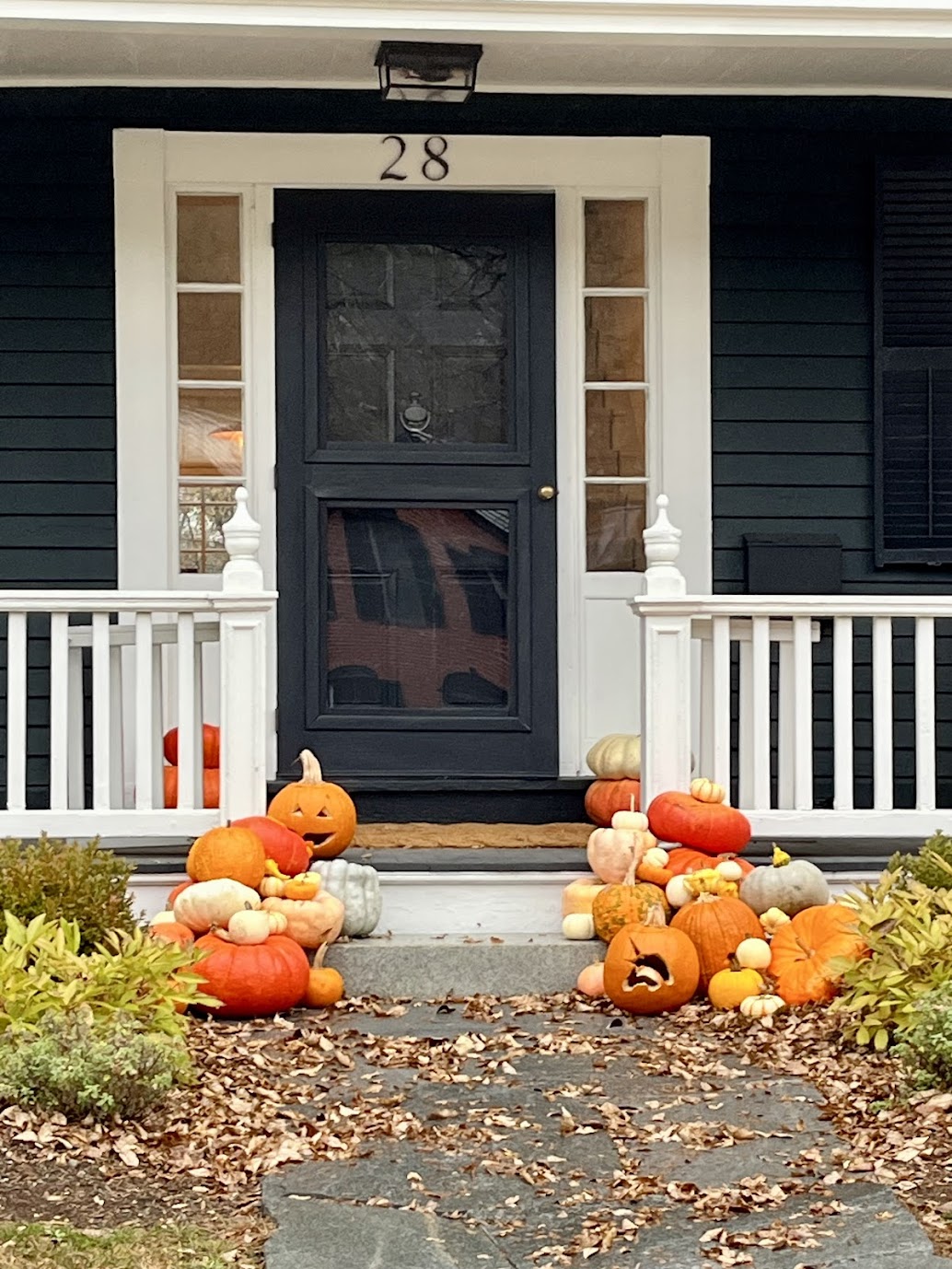
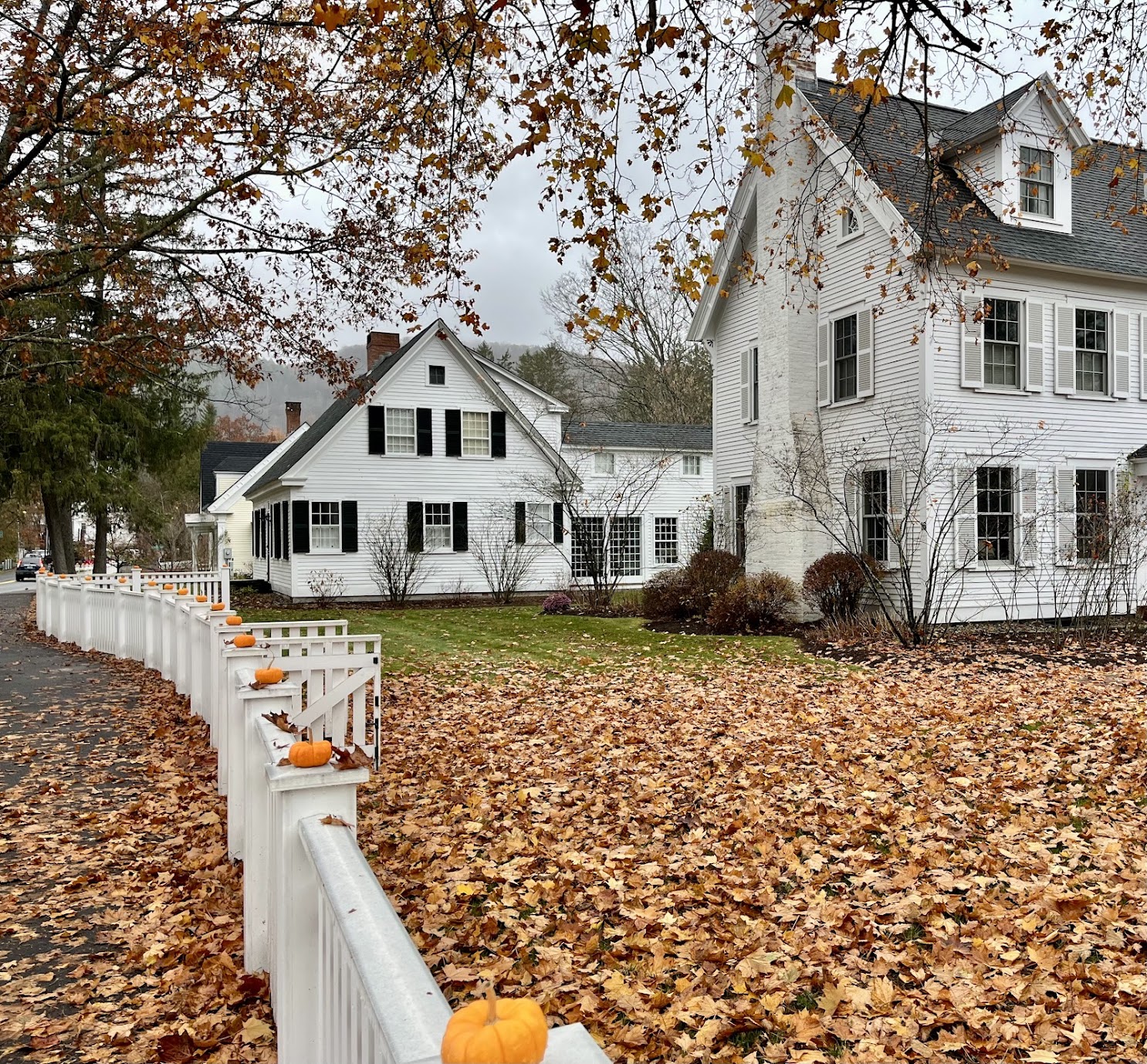
Seasonal front door reflections, Woodstock, Vermont

Unfortunately, The Matchbox Girl is set in 1934 and the ensuing years. So, things didn’t go so well in the lovely Vienna Children’s Hospital after a while. Dr. Asperger was revealed in this century to have collaborated disastrously with the Nazis.

Jolly explained that she was researching Dr. Asperger and the hospital, but didn’t know how to write a novel about it all until she had the idea of the matchbox-collecting Adelheid.

She said, “When writing a novel, you must never go in through the front door. You must find a way in the back.”

This edict pierced me. I’m always seeking to improve my craft and when a talented writer, who teaches Creative Writing at Oxford no less, issues a proclamation about how stories work, I immediately inventory everything I ever wrote. I suspect I’m not the only one?

Anyway, I was thinking, “What is the front door to each of my individual projects, and which is the back? Have I been heavy-handed and just crashed through the front, is that my problem? Why don’t I immediately understand what my novel’s front door is, is that my problem?”

Head and Heart

I meant to submit my novel The Gospel of Eve to more publishers and agents this year. But I was wrapping up an edit and more dauntingly, a synopsis rewrite, when I became so busy with critiques and a new project and work and family, I sort of forgot. That’s a major goal for 2026.

But Eve in herself is like a pre-fabricated back door, isn’t she, relegated as such for millennia? In my new project, I suppose the front door is the whole relentless mess of trying to appear good, while the back door is the comparatively straightforward (but still quite messy) task of fixing up a New England resort and cabins. Each banging cottage door reveals not just the renovations needed inside, but further internal turmoil for the new owners resulting from past relationships.

An evening in Stroud

While at Stroud Book Festival, I also attended an interview with Elif Shafak regarding her latest novel, There are Rivers in the Sky. I’m excited to read this book as well. It spans history through a single drop of rain and incorporates the epic Gilgamesh poem.

Elif Shafak is passionate and graceful, and she spoke about the difference between information, which we have in overabundance; knowledge, which requires sustained commitment; and wisdom, which engages the heart.

I don’t want to worry so much about front doors and back doors and such, so that the heart of my project goes the way of the sun recently, obscured by my deluge of thoughts. It’s been such a long time since I actually started writing a novel from scratch—my Eve novel started as a short story—that I’m constantly questioning myself. Were my previous drafts this rough?

But after receiving very positive feedback about the first 3000 words, I started to feel better. It takes time to find a story’s heart, front door, and back door. Now that I know someone wants to read more, that gives me strength to keep discovering.

Have you been to any literature festivals this year? What great books have you discovered, and what insights did you gain into your own creative work?

All Over the Place

This Week’s Bit of String: Expanding brackets

Back in school for the Christmas term, I spent 40 minutes working with a student on algebraic practice expanding brackets. Guiding him to multiply each bracketed term by each term in the other brackets, explaining why we’re multiplying here.

He was making progress, starting to remember a couple more steps as we moved on to the third problem of his online homework—and then he was sick of it. He insisted on guessing, repeatedly and incorrectly, stabbing the keyboard, for the fourth problem.

I sputtered reminders that he could work out the right answer if he tried.

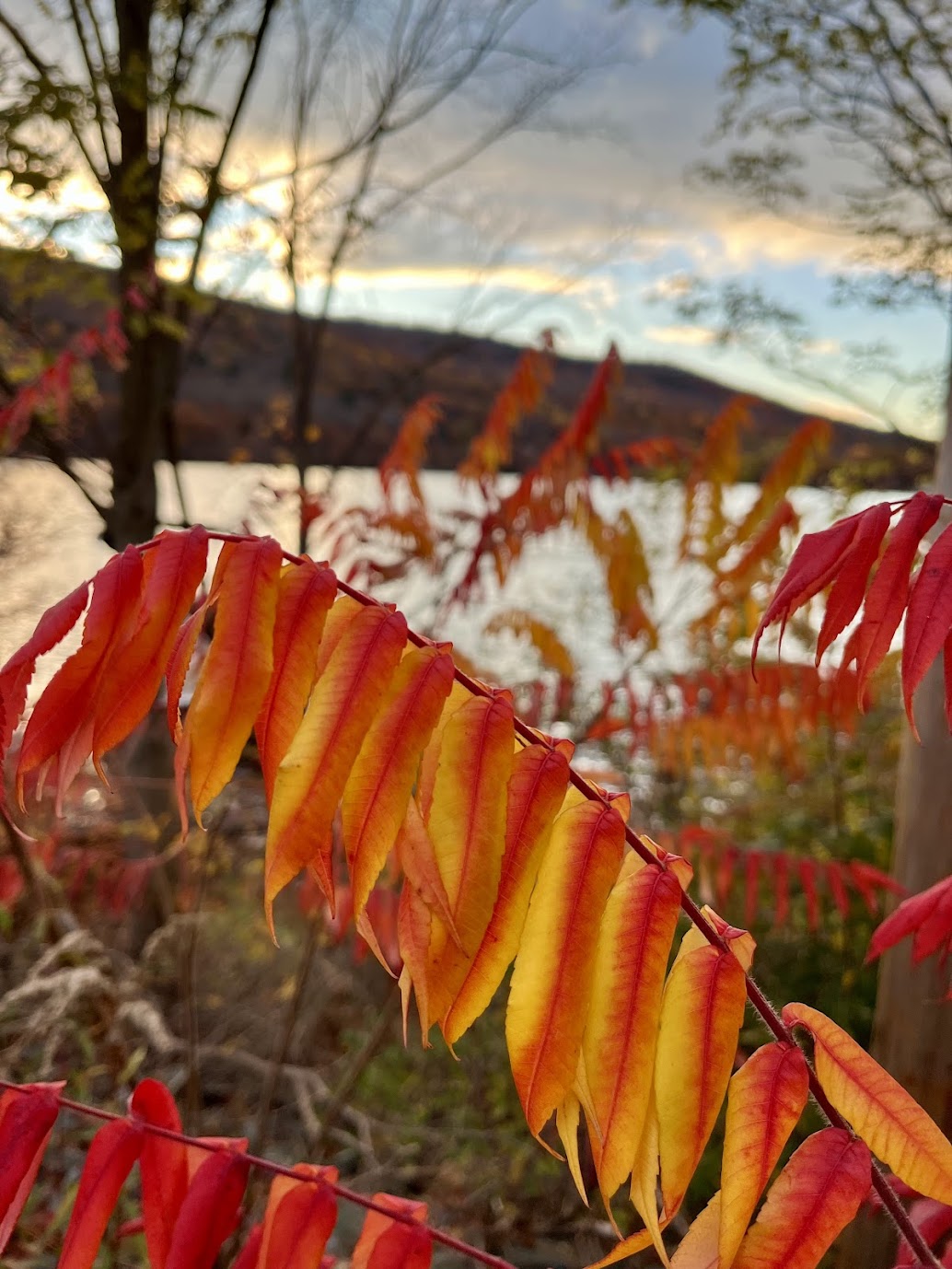
Autumn leaves at Mascoma Lake, New Hampshire

He stabbed another wrong guess. “Miss, I just saw, like, three stages of grief pass over your face in one second.”

He may well have seen anger and bargaining and depression, but his comment then immediately made me laugh. It’s fitting, I suppose. It’s been a very busy couple of weeks.

Across the Ocean and Back

Just a week ago, as the half-term break ended, I arrived back from the USA. I published my previous blog post from Heathrow Departures on my way out, and spent the entire flight westward on writing tasks. Caught up on the latest Mslexia issue, scribbled about the journey, and wrote answers to interview questions for a Writers Showcase I’ll be participating in at the end of the month.

I made the trip for three reasons: to be with my family as we cope with bereavement, to start finding some private closure for myself, and to help out in any way possible. My parents are now in charge of my aunt’s house as well as their own, and my autistic cousin is now a wonderful part of our family. There’s a lot going on.

For example, on my first full day there I woke up at 4:15 a.m. and started scribbling about the previous evening’s reunion with my family. At the vaguest sign of daylight, around 6:45, I embarked on a 5-mile hike. I started in awe of the New England autumn colours which I haven’t seen much in 22 years and eventually made my way to the cemetery where I had a good cry at 8 a.m. over the family graves. I thanked our lost loves for giving us such good examples of how to look after each other.

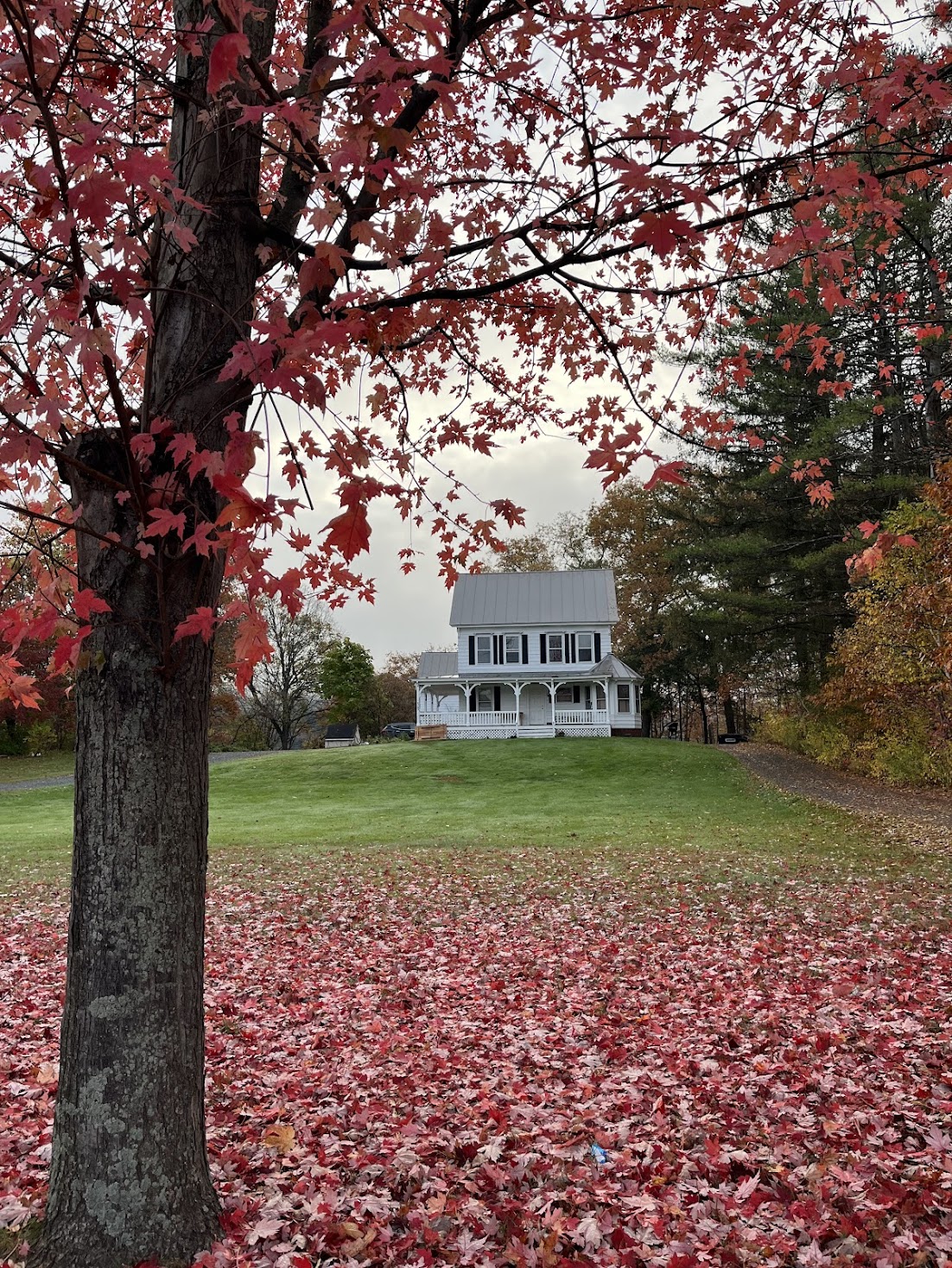
A view to my grandparents’ old house

After helping my mom with weeding, organising the pantry, and then hoovering up cobwebs from the basement ceiling, we left my aunt’s house for my parents’ and met up with my brother and his kids, plus my kiddo and their fiancé, for raucous family times. This included, among other random moments, me bouncing my niece on my lap while singing a sped-up version of a Sunday school song about Daniel in the lion’s den, in honour of my cousin’s middle name Daniel. Junie demanded it twice more.

And that was just one day! It was a wonderful week, I managed to squeeze a fair bit in, although it feels surreally separate from my back-to-term life. Despite the lack of sleep on the overnight flight home plus hints of jet lag, I made it through this past week at school while also cleaning my own house this time, running the BlueSky channel for Women Writers Network, critiquing 3 different pieces for other writers, editing the opening section of my new novel to submit that for feedback, starting my Thanksgiving cooking, and writing this masterful piece.

Ups and Downs

My day job itself is a microcosmic whirlwind of emotion. I’ll spend an excruciating hour with a student who refuses to go to classes so it’s down to TAs to educate her 1:1. An hour despairing of my career choice while she refuses to do anything while she glowers at her phone under a fur-lines parka hood. Try to make conversation and half the time I’m met with a sneering, “You WHAT?” The next hour, I might be fortunate enough to attend a Photography class, prompting and scribing a student’s self-evaluation of his work while a couple other boys in the class exchange corny jokes.

“Miss, what do you think of this one: What did the first hat say to the second hat? —You stay here, I’ll go on a head.”

Woodstock, Vermont

I told my husband’s favourite joke which involves an elephant impersonation so I could never do it justice here. This surprised the boys so much, they cracked up. Meanwhile, my student tried his best to bite his smile back and I could claim my revenge:

“Pretty sure I just saw all five stages of grief pass over your face when I told that joke,” I quipped.

While acknowledging, and celebrating really, that our lives are made up of such emotional tempests, and that progress is often two steps forward and one (or two or three) back, I don’t necessarily like that portrayed too realistically in a book. I like a story to have a fairly orderly trajectory.

Yes, the protagonist, having been made suddenly aware of a problem during the inciting incident, will over-compensate and mess it all up. Yes, all will seem lost at the midpoint and they’ll have to rally again. But it irks me when a writer reconciles characters just to fall out over something else, for example, or gives them a crucial self-realisation only to forget it in the next chapter and have to learn it again. This seems common in stories of middle-class angst.

Maybe my intolerance makes me a selfish reader, but I don’t need fiction to resemble real life that much. I can read about real, sometimes harrowing issues, but give me some kind of actual trajectory through it. The ups and downs of real life are tiring enough.

Does that bother you in a book? How firmly do you like stories plotted, or are you happy enough to spend each moment with a character?

What We Do It For

This Week’s Bit of String: The attention-seeking habits of adolescent male humans

Most Year 11s in our bottom-set class aren’t interested in the problems of the past. They’ve been taught about the workhouses and Thomas Malthus’s Poor Law of 1834, but our Trio of Fortitude just smirks over their A Christmas Carol essays when I prompt, “So why did Dickens write about Scrooge in that way? Why did he write this book?” 

“Fame. Money,” they say.

And what surer way to earn those than write a book? I hear my fellow creatives laughing wryly at that.

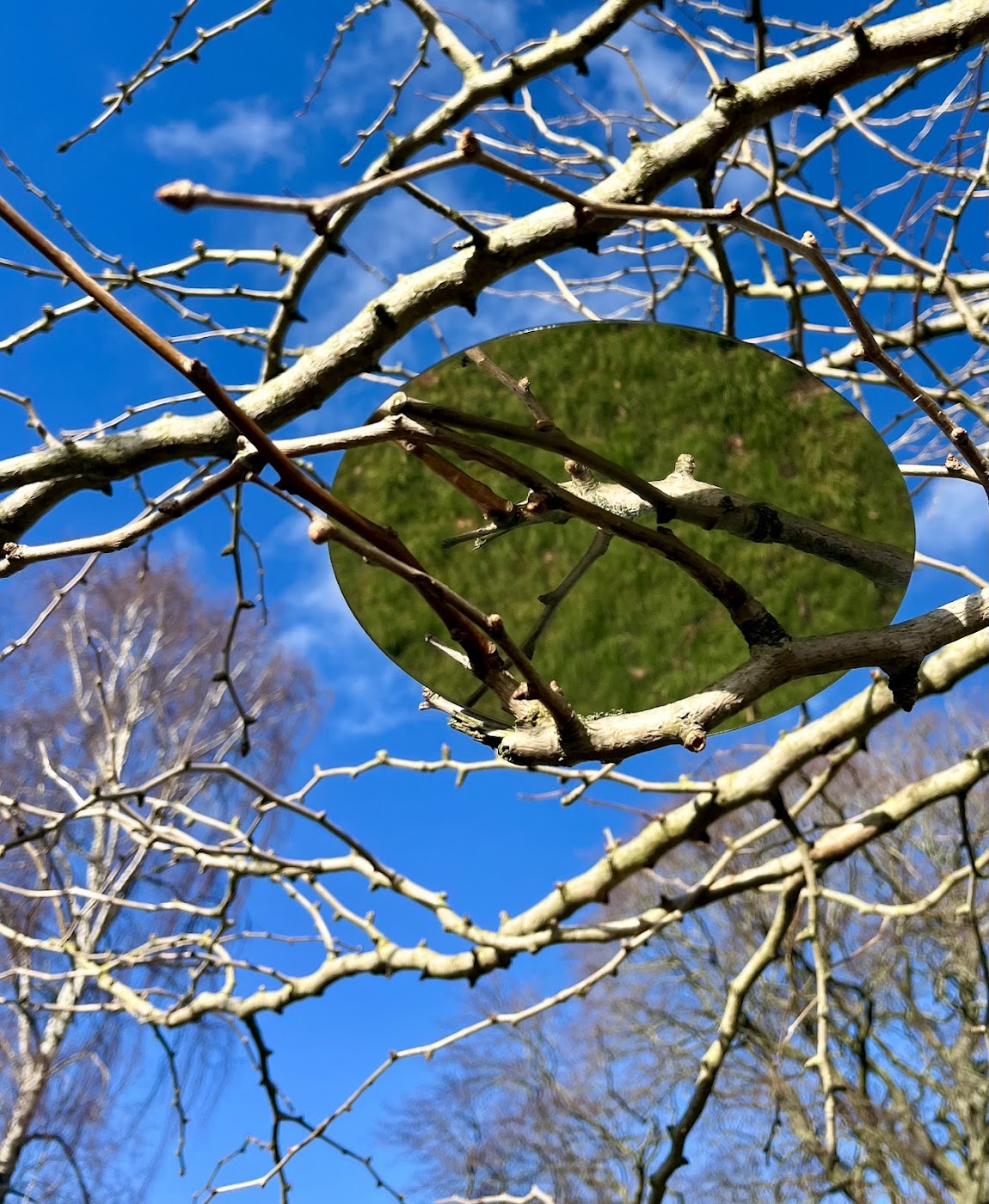
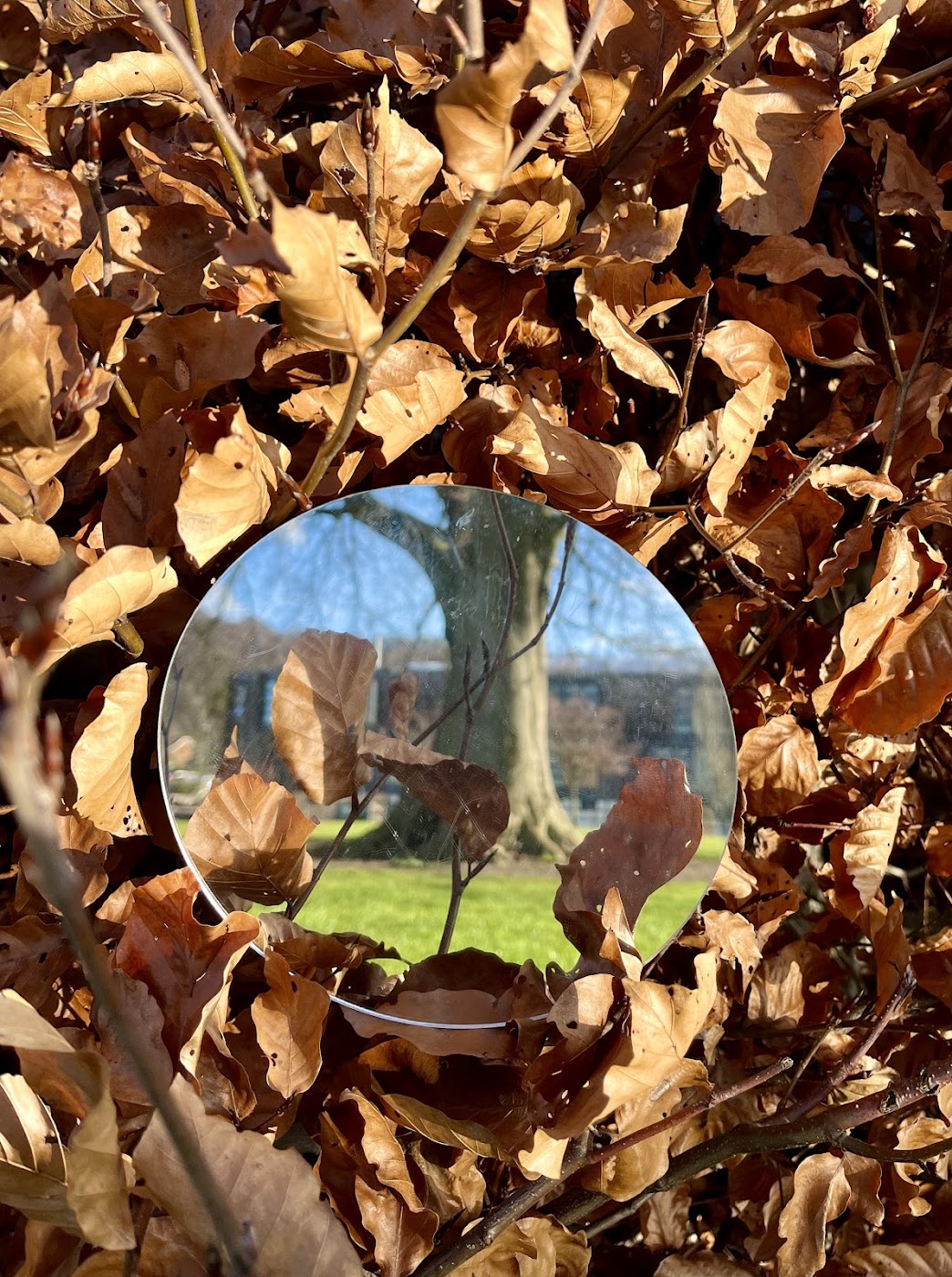
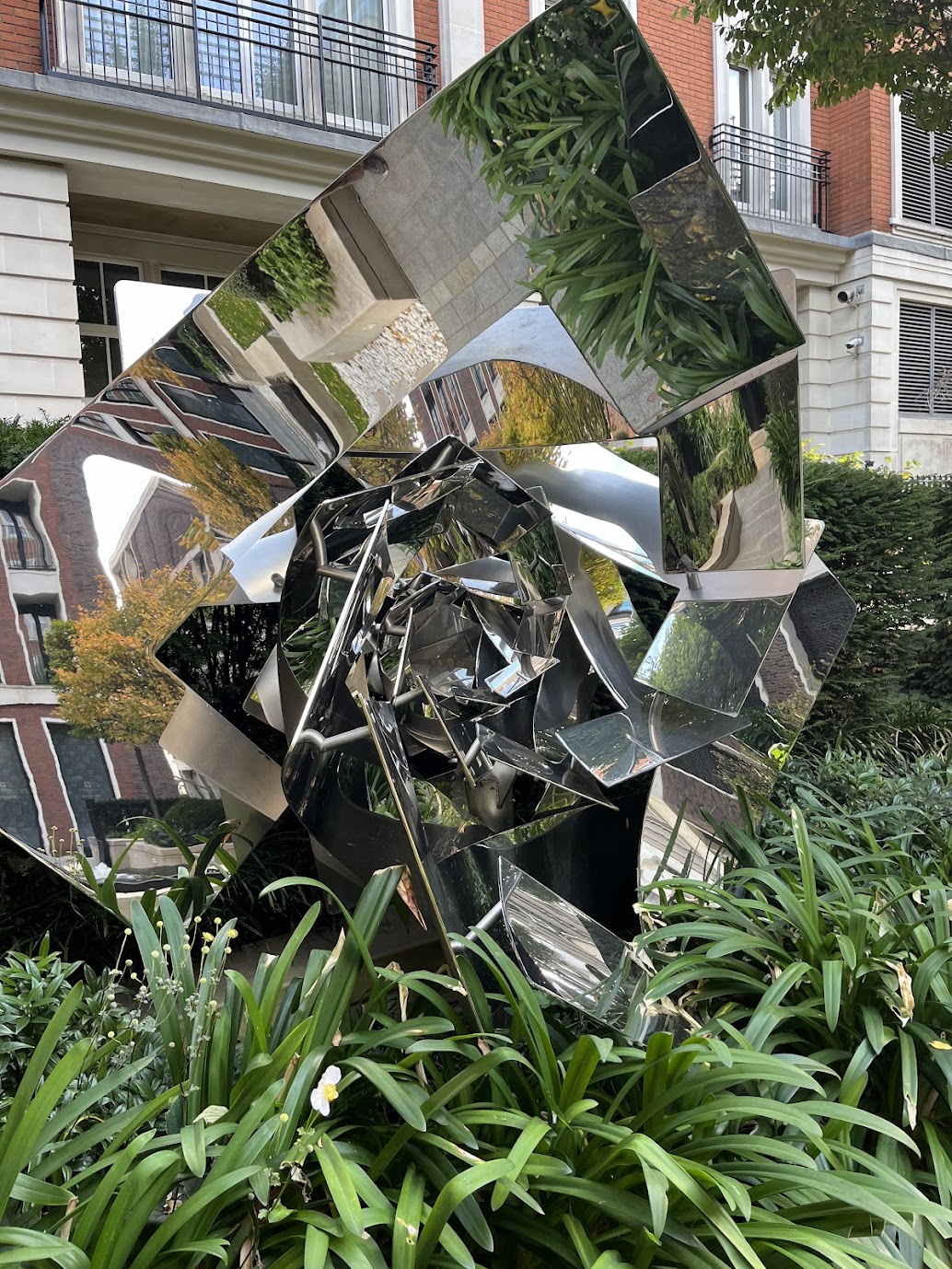
Centre of attention, or chance for reflection? Mirror spiral in London

There’s probably an element of projection here, assuming every adult from every time period will share the adolescents’ lust for money and fame. These are, after all, the same boys who’ve ridiculed me assuming my job is low-paid.

“You’ll never own a Lamborghini, Miss, so what is the point?” 

As for fame, I don’t think these students crave it, but they do like a certain quantity of attention. The Year 10 boys have taken attention-seeking to new depths. They like to watch each other accuse staff of misconduct. 

We squeeze through the crowded corridors to hear a boy shout, “Miss, did you just assault a minor?” One of our longest-serving, high-level TAs walked into a classroom to have a boy ask, grinning, “Didn’t I just see you chuck a pen at a student?” It happens with such frequency, we wondered if it was a TikTok trend. This particular group of boys get such a kick out of joining in to make bizarre claims.

Fame and Money

Attention-seeking is no fault, to my thinking. We all need attention, and I aim to give it to those I love without them needing to seek it. Ideally, we would know the students in our classes, even the ones not technically on the special needs register, well enough to cater to their personal interests and goals. But in a low-set Science class of thirty, many of the students with high need and low focus, while we’re trying to teach the entire GCSE curriculum, we’re mostly running around shushing and confiscating hazards.

Attention-seeking tactics, performances for peers, sometimes choke out opportunities to gain deeper, more constructive attention.

Obviously, when I write I do hope that certain pieces will gain favourable attention. Sometimes, in conversation, I prize making a witty riposte above empathy. Then I regret it after, even if I won a few gratifying laughs. Attention is great, but it’s not my raison d’etre. 

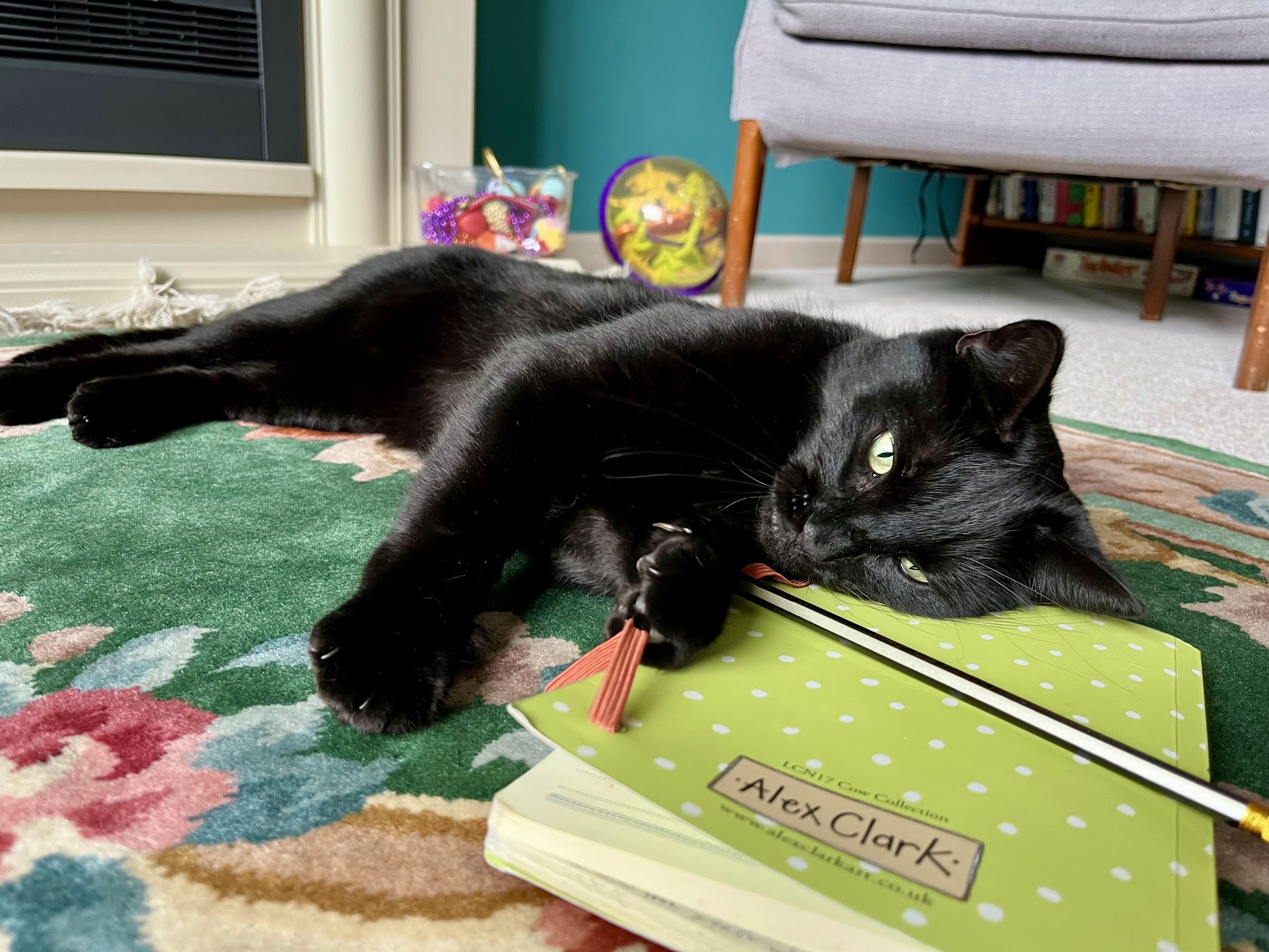
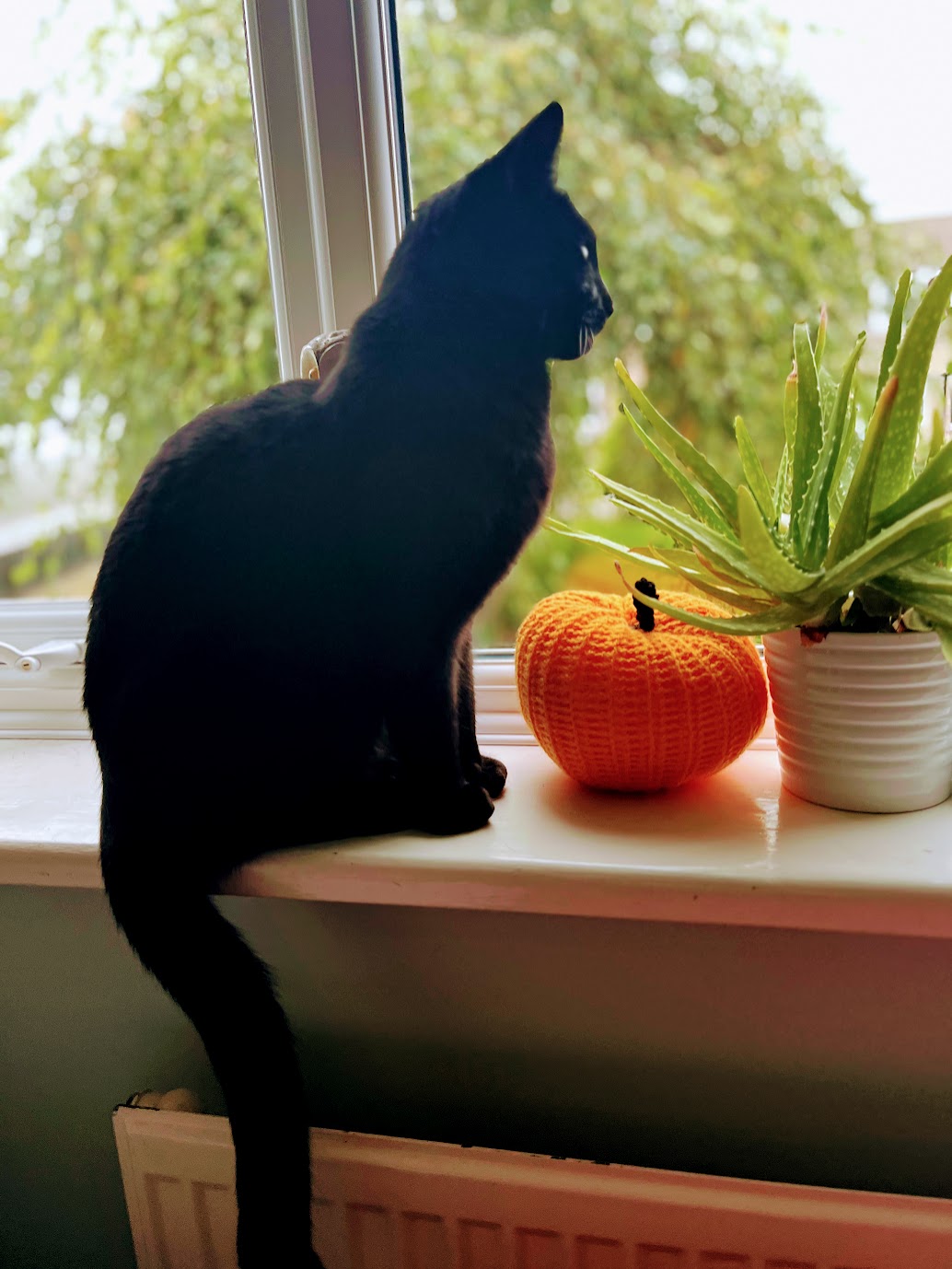
I also put up the harvesty decorations. Here’s Obie looking perfectly autumnal.

My writing jobs in the last fortnight have consisted of preparations to feature as a Showcased Writer on another writer’s blog, and maintaining writing group correspondences and completing critiques, while also adding more to the new novel I’ve been working on. There’s a mix of promoting myself, others, and creating for the fun of it (which will hopefully one day appeal to others too).

Our Women Writers Network on Bluesky also hosted one of our Skychats, inviting other creatives to join in on the hashtag #WomenWritersNet. This month’s topic was the Writing Mindset and it was inspiring to listen to people’s thoughts about what this entails, and hammer out my own idea of it. 

For me, a writing mindset is open to ideas, no matter how mundane the source, and is flexible in switching from gathering mode to the hard work of expanding an idea. My writing mindset is fed by such discussions with other creatives, and by taking in art of all forms–reading, listening to music, walking city streets–and yes, by affirmation. 

Time Well Spent

By far, the most writing I do is in my daily scribbles. For 5.5 years, I’ve written on and about every single day, chronicling interactions and noting ideas. I sometimes worry about the amount of time this takes me, usually at least an hour each day. 

Is the time I spend trying to preserve memories and thoughts distracting from the now? Or do my reflections enhance my present?

A bit of notebook-ogling while waiting at the airport

This week, as I prepare to visit my family in the US the instant half-term break begins, I’ve looked back through my notebooks. There are dozens of them now. I found the ones from each summer visit, and flipped through specifically to find each time we saw my Aunt Laurel, who passed away just weeks ago.

Since I’ll be helping my family in the wake of her loss, it fortified me tremendously to read family stories she told me that I’d recorded in my journal, and little bits of conversation, the ways we made each other laugh, how she’d reach up at least a foot over her head to hug my husband and call him “Sweetie.”

My journal also reminded me of her words: “It takes a lot of disasters to make a grown-up, or even to feel fully human.” That puts all the attention-seeking antics of young people in perspective, doesn’t it?

So, my favourite reason to write is to preserve love. To lay down a thread guiding me back to the best kind of attention, from the people dearest to me. It often works out that those people are the ones who give me strength and inspiration to keep creating.

Do you have people like that to fortify your writing mindset? How do you balance preserving relationships with gaining attention?

My Writingversary

This Week’s Bit of String: Pencils, coughs, and cake

Thirty-three years ago Wednesday, I started properly writing my first book. I was eleven years old, in seventh grade. I hid behind my hair and refused to wear my ugly glasses. When I was forced to speak in front of the class, a classmate hooted, “Turn up your hearing aids, everybody.”

I may not have had much to say, but I had a story to write. I’d planned it for months; drawing up maps and a census, tracing pictures I thought resembled my characters, recording a soundtrack mixtape. I blocked out scenes with my little pencil-people that lived in cardboard tenement blocks, or in drawer compartments above my jeans and sweaters.

Happy autumn, everyone!

And then I finally started writing it. It had taken time to realise I could do more than play-act it in  miniature, I could write it. Preserve it. Do the grown-up thing. 

On the very evening after I’d begun my writing, I received encouragement at the junior high school’s annual Open Evening. My new English teacher praised my classwork extensively to my parents. She was the first to focus on my writing. It felt like an endorsement on behalf of the universe, the timing of her conviction that I could go far. I remember being giddily pleased, while of course trying not to show it.

In the next two months, with pencils, stacks of double-sided lined paper, and my tiny printing (I’ve no idea why they say that’s a symptom of a control freak), I wrote 386 pages. Whilst maintaining my good grades, too. I have never been able to replicate that accomplishment in terms of volume produced. 

Reaching Limits

That draft should have been more than 386 pages. I hadn’t reached the end, even though I knew exactly what should come next. I had thought about it, played reels of it in my mind often enough. I contracted bronchitis and was sick for 3 weeks, then got it again the following month and was sick for longer. 

Not only had I entered my Author Era, I was pioneering what would become my Victorian street urchin-inspired cough. To this day, I’m susceptible to it, and it serves as a homing signal for my family to find me.

Obie, my writing accomplice

I was barely able to do schoolwork, and I stopped writing my story. Throughout the following decade, I simply restarted the same story, standing in new sidekicks as I met new friends, and I never got past 100 pages. The first novel I would ever complete, Artefacts, was a very different story although it had a similar protagonist modeled somewhat inadvertently on myself. But my self-perception had evolved over the years requiring a different plot, because my dream ending shifted from being rescued to self-acceptance.

I finished my first novel in 2015, almost 23 years after my original Writingversary. My first published story, in The Bristol Prize Anthology 2010, came 17.5 years after the Writingversary. 10.5 years after my Writingversary, I completed a degree in Writing and Literature while a single mother working full-time. I’ve had quite a few short stories published now. Not so with my novels yet, but I wonder if my 7th grade teacher, and the many supportive teachers and college instructors that followed, might still be impressed.

Marking Success

It’s a bit staggering to consider that I’ve been putting pencil to paper to write planned projects for more than three decades. Naturally, I wish I had more to show for it. Winning the 2017 Gloucestershire Prose Prize and reading at Cheltenham Literature Festival was a highlight, and my story “Pie a la Mode” won £250 in Amazon vouchers from the Funny Pearls humour website. Enough to fund equipment for a pet cat, and even a new hoover to clean up after our dark feline prince Oberon.

This year’s Writingversary destination

Writing has opened up social opportunities as I’ve made wonderful friends through writing groups, and it’s an integral part of my mental well-being. I don’t feel right if I don’t do it. By building my writing habit over the years, I’ve built resilience as well. I may not have a lucrative career, but I am constantly creating or fine-tuning pieces.

I still sometimes wonder if my bouts of poorliness tend to follow a particularly busy writing stretch. But now, because writing is part of my daily life, I tend to keep working on projects even when a cough strikes, or even flu.

Maybe that’s my best success. Thirty-three years provide many chances to give up, and I didn’t. For this year’s Writingversary, I walked up to the local Garden Centre after work and had a drink in the cafe and a slice of pumpkin cake with maple chai frosting. I scribbled in the golden autumn light. The timing of my Writingversary draws me to this season, and I’m so glad I found a bit of time to celebrate.

Do you remember when you first started writing? How do you celebrate this milestone?

Weighing Ideas

This Week’s Bit of String: Notre Dame towers and a dog called Unity

Last weekend, we were in Paris. It was a wild idea, the trip planned in less than a fortnight. From 3:00 Saturday morning, when we woke up to shower and catch a flight from Bristol to Paris CDG, until 10:15 Sunday night when we fell into bed back in our own home, we walked 54,000 steps. We stayed Saturday night in a tiny hotel room in the 14th Arondissement, but the bed was comfortable, we had climate control, and there was a full Parisian breakfast included.

We had a bittersweet reason for this enjoyable adventure. When my aunt Laurel died a couple weeks ago, one of my cousins already had a trip booked to Paris. Laurel and my cousin were great Francophiles, so the family was inspired to send some of her ashes over and scatter them in the Seine. I couldn’t be at the full funeral in Vermont–busy though the weekend in Paris was, it didn’t shatter me the way a whirlwind cross-Atlantic trip with a minimum of 16 hours travel each way would have done–I could be part of this goodbye without missing work. 

My cousin chose a spot across from Notre Dame’s dome, where we could walk down a cobbled ramp to the river. We found as we approached that as well as a cathedral view, we would be leaving my aunt alongside a weathered wooden statue of a turtle bracketed onto the stone wall, quite fitting as she’d had a beloved pet turtle for decades. 

She loved dogs too, and soon after we’d poured her ashes into the river, a dog came bounding in, bucking jubilantly, snapping at her own splashes. Her French owner told us the dog’s name was Unity, and we did feel a strange synthesis at the resting place. 

I was happy with this sendoff for Laurel, but my heart aches that all the life erupting around her in this location will never know her or her story. I wonder what other remnants of lives we step over all the time, and what unimaginable events will unfold later.

Interlocking Stories

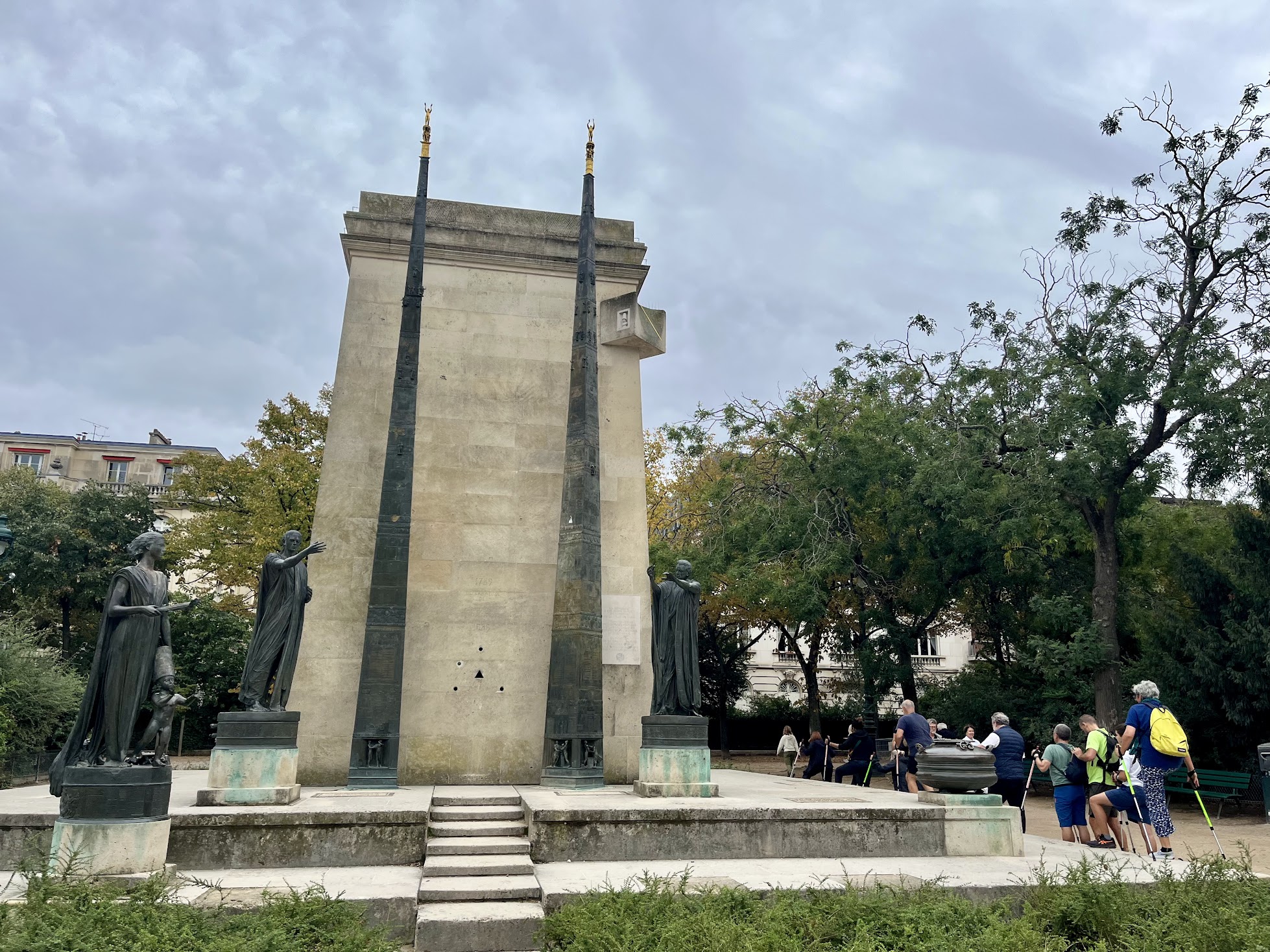
Paris is particularly suited to such wonderings, with its many plaques honouring students and others who were killed in the Resistance against Nazi occupiers, and other signs memorialising Jewish families that were deported. Behind Notre Dame, there’s the Memorial to the Martyrs of the Deportation, which I researched for part of a story I wrote in January. The main character spent time in Paris and met his fiance, changing his life.

I certainly didn’t imagine I’d be visiting Paris later, and scattering my aunt’s ashes across the Seine from the same Memorial. Once again, there’s a strange unity of past and present, fiction and nonfiction. As Julia Ormond says in the 1990s remake of Sabrina, one of my aunt’s “Chicken Soup Movies” which she believed had restorative powers: “Paris is always a good idea.”

Back to the writing work, here’s a picture of the incredible Our Lady of the Workers church in the 14th Arondissement

I’d actually forgotten about the story I wrote in January, with its Paris turning point, until my cousin told me where we’d take our aunt’s ashes. The story needs a lot of work. I wrote it during my January short story binge, when I slapped whatever idea I had onto paper: new ones, old and previously rejected ones, half-dreamed ones. 

Since then, I’ve had a couple short stories I’ve worked hard at polishing, and I’ve started a new novel while still working on the final edits to my book about Eve and Creation. These projects are still keeping me pretty busy alongside my day job and everything else, so the fictional Paris encounter will probably wait a long while.

Ideas to Remember

It’s not possible to remember every idea or story, good or bad. So just because one thing has to wait doesn’t mean it will never get its time. When it comes to assessing our creative choices–and our life choices, really–there are so many possibilities that it seems unfair to judge one as entirely bad or good.

While I’m making up a new novel, I haven’t decided yet whose voice to lead with out of my new characters, and I keep switching. Would 5 points-of-view be too many? Yes, I know. But I decided while making myself write just four days after Laurel’s death, my work-in-progress wasn’t fun enough. So I pried its bars loose, and went back to page 2 to introduce an entirely new character, outside the pages of development I’d explored and planned in the pre-drafting stages. 

Have you ever felt the need to do such a thing? Did it work?

My middle-class protagonists who take themselves somewhat seriously needed a foil, or maybe that was just me. Either way, I’ll see what comes of having someone else in the mix. A story undergoes so much evolution and so many rewrites, most ideas turn out to contribute something worthwhile.

I wouldn’t usually slide in an extra character, but it’s earlyish still, and who’s to stop me? In real life, there are people who appear out of nowhere and brighten everything. 

I wouldn’t usually spend a middle-of-the-term weekend gallivanting around Paris, either. I don’t know if Paris, is, in fact, always a good idea, but it worked for us this time. And there’s a lot more we’d like to see. Strange to think I now have a bit of my aunt on this side of the ocean, over the Channel. Wondrous to imagine the places and people we have yet to be part of.

True Colours

This Week’s Bit of String: Jewelled hedgerows and painted roundabouts

The mini roundabout by Tesco has received fresh stripes. St. George’s red cross is now painted over the white, courtesy of an undoubtedly patriotic local citizen. I don’t think it makes much difference to how anyone drives or feels. Do some British citizens in this fairly homogenous town feel safer because someone spraypainted the emblem of a Roman soldier of Greek descent whose worship started in Palestine? Whatever works for them, I guess.

What surprised me was the title given to this campaign of painting and flying loads of extra English flags. “Raise the colours.” Before I remembered the military and scouting origins of the phrase, I thought it odd. The English flag isn’t spectacularly colourful.

As an immigrant (21 years living in Britain this past week!), I have my own perspective on the UK and its colours. They are sometimes dull grey skies and the stifling black or navy blue of school uniforms that I see at work. But they started for me with red double decker buses and purple cross-country trains, the pulsing bright lights of Student Union discos and the green of grass that grows through the winter.

Every late August, when I return to Gloucestershire from my summer visit to my family in New England, the colours of old England are deep purple berry-black and deceptively soft stinging nettle-green. I forage in the hedgerows and make blackberry-elderberry syrups and jam. 

This year, the hedgerows are particularly festooned with colour. Dark blue sloes and so many little red hawthorn berries, you can barely see the leaves. Apparently, drought can stress trees into making extra fruit in a more desperate bid to pass on their genetic material. Hopefully they don’t feel too downhearted that some of their DNA is going into a crumble. It’s doing all kinds of good!

Full Spectrum

Ask my five and a half year old niece her favourite colour and she will tell you it’s rainbow. I didn’t know that was an option when I was a kid. 

I hope no one nitpicks her and tells her rainbow isn’t one colour, it’s all of them. Of course it is, that’s why people are so enchanted by rainbows. Shining colours melded together more closely than a hedgerow, with far more beautiful range than a red cross on a white background. We all have an innate love of mixture and brightness.

A baby bear and their great aunt Laurel, 23 years ago

In my dining room, next to the spiderplant grown from a student’s gift and a felted leaf garland crafted by another student, a prism hangs. It is no tear-shaped slip of a thing, it’s a weighty diamond capable of pitching a whole swathe of rainbows. 

My aunt Laurel gave it to me when I was struggling as an adolescent. “Sometimes you just need more rainbows in your life,” she told me, her voice catching on her compassion.

Three days ago, Laurel died suddenly of a heart attack in her Vermont home. On that side of the ocean, my family rallies to honour her and to support my cousin. On this side of the ocean, a friend gives me yellow gladioli at work and another drops an orange-papered Tony’s Chocolonely bar through my letterbox. British colours at work again.

Making Rainbows

More vibrant fruit yields can come from jeopardy, and rainbows don’t happen without storms. My aunt Laurel had her share of storms, but she absolutely sparkled for us. 

She loved the lupins that grew in the median strip of Highway 91, she loved candied almonds and jewelry. She gave me my first CD of Les Miserables, and instigated the nerf gun battle that ended in my husband proposing. She invented her own evil twin to blame pranks on, and encouraged all of us to do the same. She was the source of many a thoughtful gift, and constantly opened her home to us, no matter what annoying phase we were going through.

When my baby was born (I mean, they were a baby then…) she was the one with me in the delivery room. Despite the tragedy and horror of the terrorist attacks that day, Laurel always reminded me how she couldn’t stop smiling after the birth. She strove to see the world through the most hopeful prism, and sometimes that’s awfully hard.

Even better than a prism, she’s left us with her wonderful son, my cousin, who will now be even more part of my immediate family. It’s excruciating to know she won’t be there the next time I get back to see my family. But she’s left us so much to be grateful for, especially an undying impression that no person or place is as dull as just two colours.

Wishing you rainbows this week, friends, and hopefully not too many storms.