The Wind-Up and the Pitch

This Week’s Bit of String: Playground tales

My kid had quite a flair for tales with a twist. Only, I don’t think they meant to be suspenseful; stories just developed that way.

Once, after a solo trip to the playground, they weren’t very forthcoming as I asked about what they did. They didn’t get to climb much, or have a kickaround. It took a bit more questioning before they said, “I didn’t have time to do any of those things… because H was holding my head down on the pavement.”

Now, that’s a statement that will hook a parental audience. 

Eventually, my little Bear explained that while they were climbing and swinging, one of their classmates and his big brother H thought Bear said something rude, and the boys tackled them. My kiddo ended up with a rather large local knucklehead sitting on their back.

Why the delayed reveal? Not for melodramatic reasons in this instance, but probably because Bear wasn’t sure what to make of the whole thing, and needed time before they could articulate such a shocking escalation.
Withholding Information

Deep into novel edits and following research into story structure, I’m still thinking about the most engaging way to develop the plot and the character trajectories. I attended an event a few years ago where the speaker said every story must have a twist, and that disconcerted me. I am not a mystery writer.

But this could be a twist of fate, a turn of events. There are so many types of suspense: suspense for the welfare of a beloved character, tension that an innocent may be misunderstood or that a character with baggage will trip themselves up into yet another mistake.

And there are reveals. Using first-person narration for myth retelling, in The Gospel of Eve the plot follows Eve trying to assert herself to her descendants without turning them against her. There are flashbacks interspersed throughout, building to her memories of taking the forbidden fruit, and essentially, losing two sons. I’ve saved the most well-known, pivotal moments for later in the book, hoping to build trust in the narration and suspicion that there’s a lot more to what we’ve been told before.

Twisting round and round

But it’s not just me stalling and building up. Eve isn’t ready to talk about it. It takes generations (people lived a long time back then, according to Genesis) for her to fully revisit what she remembers of Cain killing Abel. As with Marilynne Robinson’s Gilead, or other stories like Elinor Oliphant is Completely Fine, the speaker takes time to face up to things, and often events force them to as darkness comes to light.

Scaling Down

The balance between revelation and suspense becomes more confusing in extra tasks like crafting a pitch. At the start of February, I worked on a new, longer synopsis for a submission. A synopsis fully outlines the plot for agents/ publishers, so they know how it develops. It’s tricky working out which events to include and how to inject character instead of a dry summary.

A pitch is different: it’s shorter and you aren’t supposed to reveal everything. You want to hook an agent’s interest, persuade them to want more. (Why do we use the term “hook?” When a fish gets hooked, I doubt it wants to repeat the experience.)

Anyway, I spent the end of February working on a 100-word pitch. It needs to convey the character’s journey, establish the genre and setting, maybe include other titles for comparison, and preferably should all be done in line with the character’s voice.

Hooked!

Again, rather tricky. Ideas played through my mind, even as I did housework while listening to political podcasts. On an “Offline” episode, Jon Favreau (not the cinema Jon Favreau) talked about crafting difficult speeches for Obama. Sometimes, nothing seemed to work, so they’d rip everything up and restart from: “What are the truths we want to tell? Even if we can’t say it for political reasons, what are the truths?”

So I said to myself, “What do I MOST want to tell people about my book?” It took me a few tries, and it’s probably not totally there yet. But I kind of like it! Here’s the opening:

Fruit, fratricide, and feminism: Eve and her oldest daughter Ana retell the creation myth.
Think parenting is hard? Eve plots maternal interventions when at best, empowering her children could lead them to condemn her. At worst, her children will kill each other.

I’m not revealing anything that isn’t common knowledge. Hopefully I’m giving it fresh relevance, though. The fun thing with any story we start to read or to write is that we can never be sure where it will end up.

Do you have preferences over what gets revealed when?

Balancing the Dark

This Week’s Bit of String: Planet Buoy

On a rainy Saturday morning in St Ives, I’m shepherding 7 teens on a 2-mile walk with a seasoned photographer. We are nearing the end of our school Art residential; I’ve spent half my half-term supporting 3 very different students with autism.

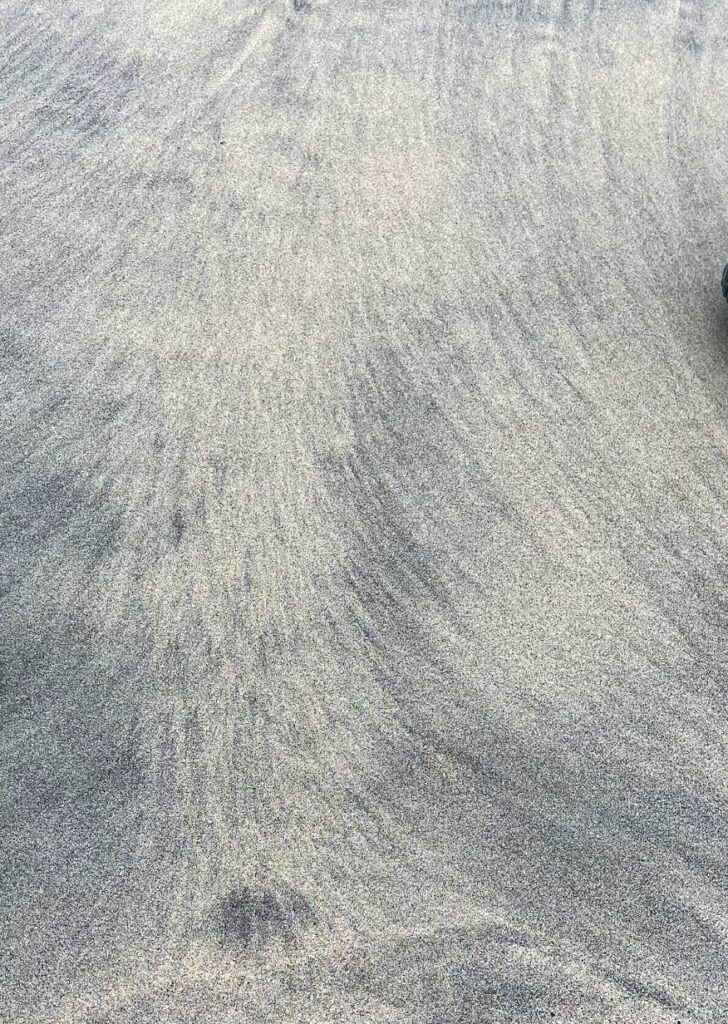
Sand feathering

The youngest one is only 14 and prefers to draw comic stories or animals in pencil, so through most activities, he’s put his headphones on and played games on his phone. That’s what he did through the photographer’s introductory talk.

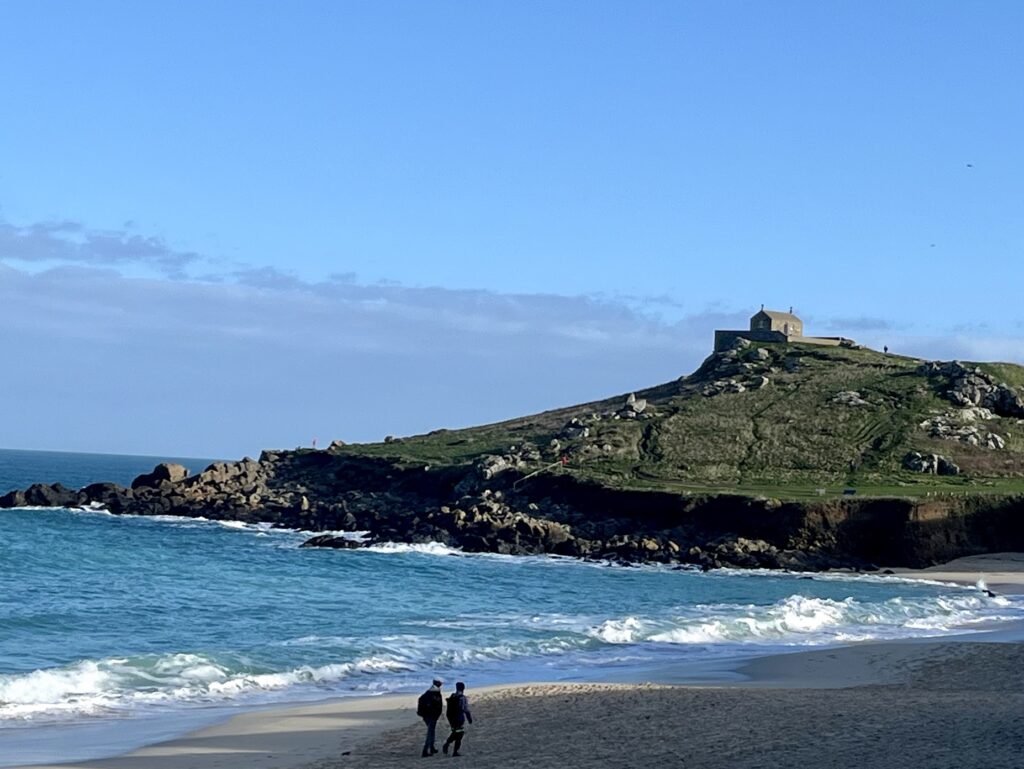
The photographer has worked here in St Ives for 45 years. He says its popularity with artists comes from the “pure, North light.” Standing on a beach he tells me, “The sand in St Ives has a sheerness, and reflects that light.”

Just then, the youngest fellow patters over murmuring, “Miss, I took pictures of the beach.” With his iPhone, he’s captured the effect the photographer talked about. The reflections of the squished-together buildings across the bay appear over the sand in his photo. I compliment him heartily, and he’s off.

He creeps toward gulls, grinning, asking, “Scuse me, can I take your picture?” He aims his phone camera through holes in stone walls that no one else has noticed, sticks it into pier crevices to capture puddle reflections. One of my older students, herself a photographer with autism, is inspired by what he’s finding and so am I.

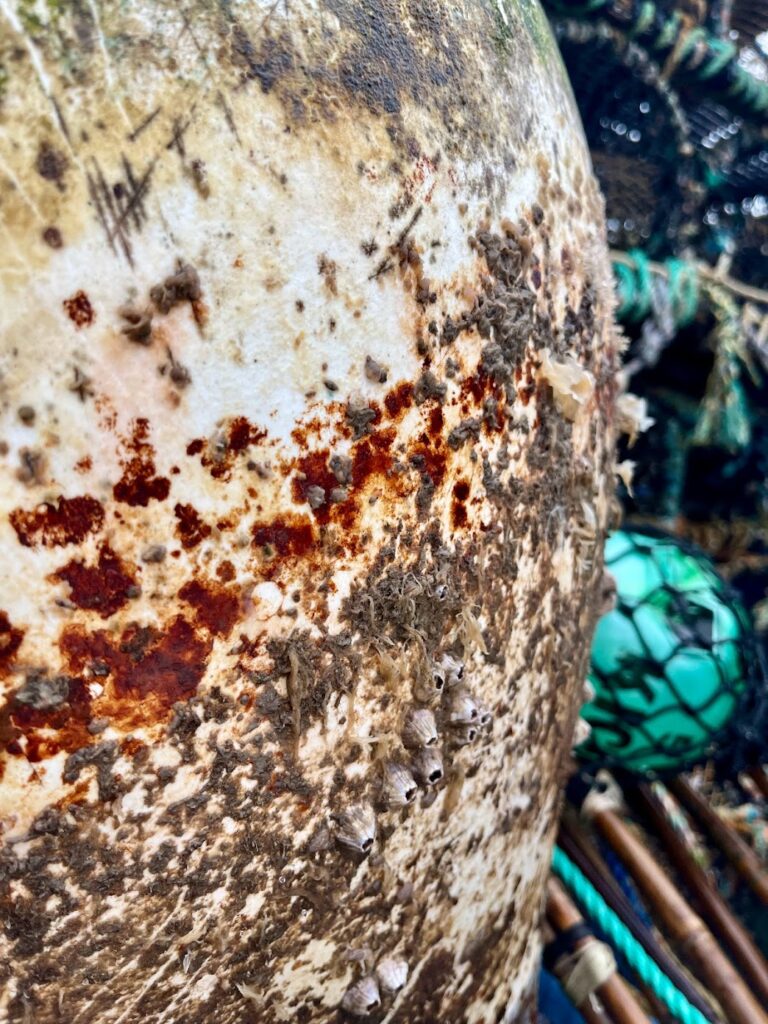
Planet Buoy

He finds a buoy, pulled up and stashed on top of lobster cages. I join him to capture its weathering with my iPhone. It’s like a planet, with rust crops and barnacle mountains. This young artist is showing what I’ve always found, that once we start looking around with a photographer’s eye, we pick up on so much more.

Balance

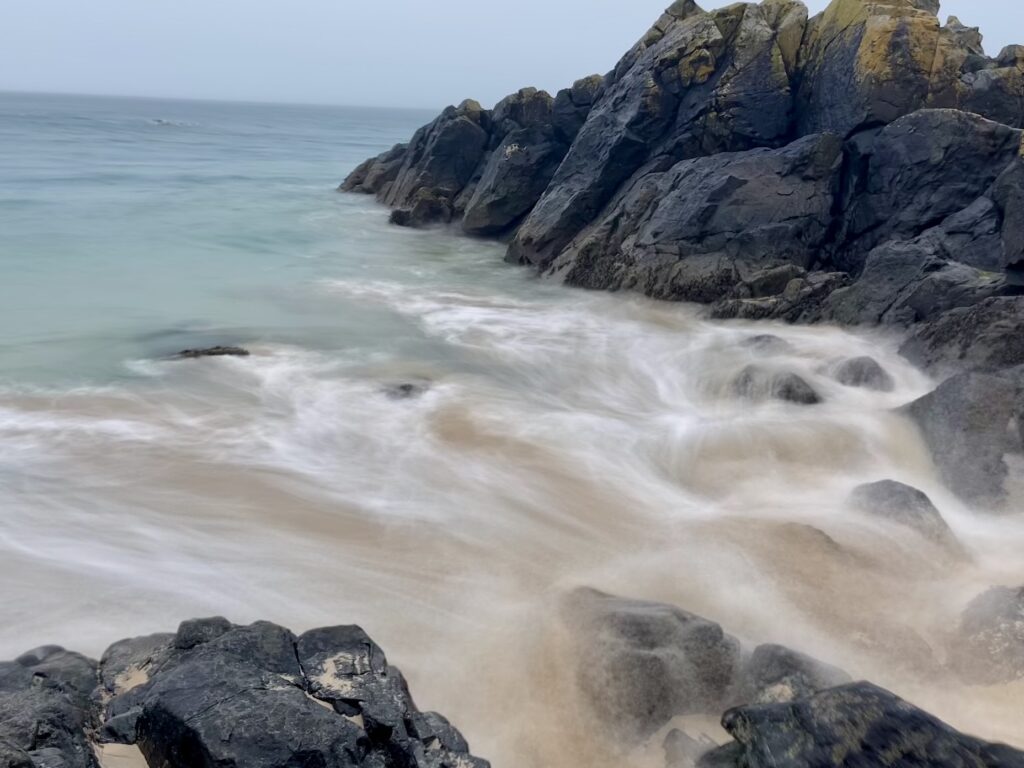
It’s like that with stories sometimes too. If we get into ideas mode, we find them everywhere. When I’m out and about, I take pictures partly to remind myself of strands of description for my journal later. Waves blooming around boulders, rust-fall streaming down the lighthouse, Planet Buoy.

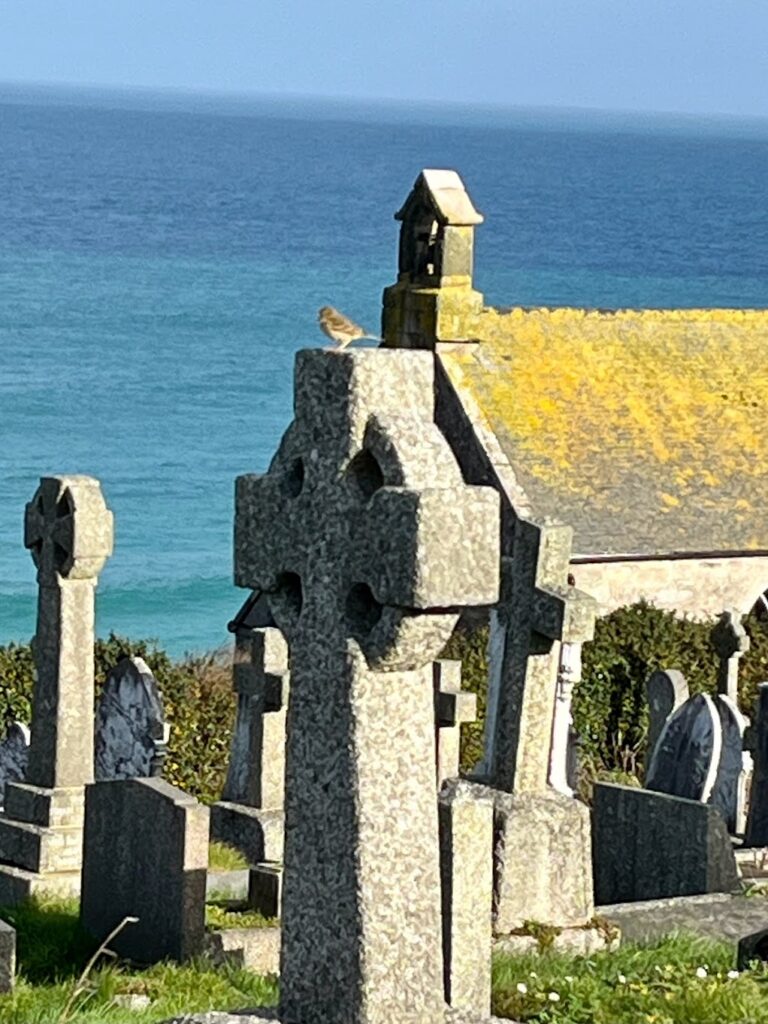
Pure light: View toward Chapel of St Nicholas

The photographer we worked with, Chris Webber, makes me contemplate other similarities or counterpoints between the arts of photography and writing. He tells the students: “Your camera has a lot of dials and buttons, but at its heart, photography is about balancing the light. Don’t be intimidated by the camera. You control it. You decide what to shoot.”

It’s a mixed blessing to remember that amid the vast structures of a story, with so many interplaying elements we’re meant to orchestrate—we are the ones who control the pen (or keyboard). It is, ultimately, up to us.

I also wonder if a story, at its heart, might be as simple as balancing certain elements. Except that a story is balancing the dark. As storytellers we wield light and seek to not obliterate dark (because then a story might be dull or saccharine), but to balance it.

Letting in the Light

I read more about story structure and trajectory before my latest novel edits. John Yorke in Into the Woods frames this as a trajectory of knowledge (which suits my creation story retelling, since Eve allegedly plunged us all into sin by gaining knowledge). A protagonist is awakened to something, they experience doubt, they reluctantly accept, they experiment, it backfires, until ultimately there is a reconciliation of the new knowledge: a reawakening and a total mastery.

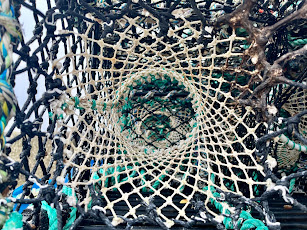
Weaving: lobster nets on Smeatons Pier

None of this happens without light, and the light would be ineffective if dark didn’t precede it. Presumably, God would never have said, “Let there be light,” if They’d already had all the light They wanted. As creators, we first shine light into a character’s situation so they have to recognise the dark they’re living in. They may react by being overwhelmed; they’re not used to this illumination. Ultimately, we mould the light into hope.

Wishing you a torrent of creativity this week.

Depending on the story, we’ll allow a pinpoint or a whole widening arc of light/ hope. Also, depending on the type of writing, we’ll show the whole landscape or do a macro shot. Chris Webber does dawn photo shoots and landscapes but also food shoots, for catering outlets. He showed my students a picture he took of a sorbet scoop: “Sometimes you don’t want your viewer to paddle, you want them to dive in.”

I’ll definitely keep that in mind while editing. Which bits are especially important for readers to plunge into? How do we direct the light while also bringing out the exciting details?

Making Links

This Week’s Bit of String: Snakes and the sublime

“I held a snake!”

A Year 11 student greeted me with this after Christmas, while his classmates discussed gifts and excursions. This student’s family didn’t have money for those. But he found out how snakeskin feels: smooth, cool, strong.

I was supporting the student in his English class, and as an introduction to Wordsworth’s “Prelude,” the teacher sought examples of the sublime.

“What’s the most awe-inspiring place you’ve visited?” she asked the class.

With his classmates describing Alpine ski trips, island volcano walks, or seaside visits, my student felt sidelined. He told me again, “I held a snake!”

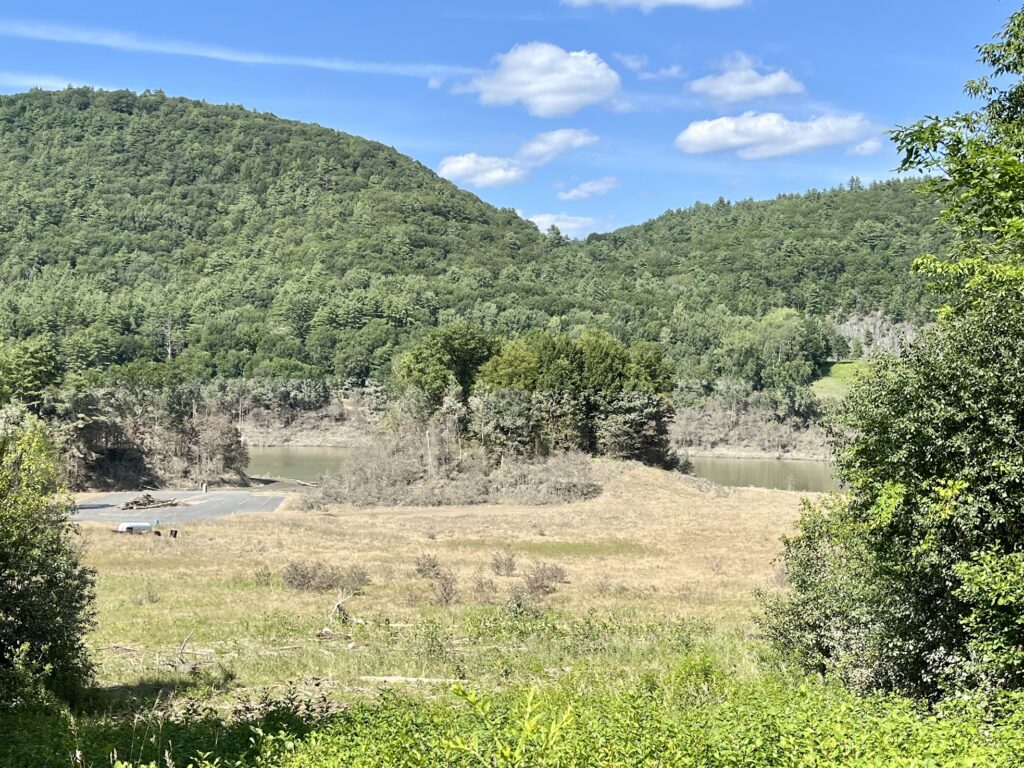
A formidable power: Vermont floodline summer 2023. See how the water swept through halfway up the trees?

After every contribution of wondrous landscapes from the other students, the teacher asked, “Did it scare you?” She established the connection between excitement and fear, the sublime power of nature.

I asked my student if he felt a bit scared holding the snake, and I said his mixed feelings reminded me of the class discussion. The boy’s face lit up and we decided he ought to share his story with the teacher. A snake is part of nature, right?

He held his hand up for several minutes while other students were called on. Reluctantly, the teacher let him speak just as she was closing the topic. 

“I held a snake!” he said.

The whole class laughed. “That’s not what we’re talking about right now,” snapped the teacher.

My student was devastated. He kept asking me, “Why did you say I should tell her?”

Finally I murmured, “Because I would have responded differently.” I don’t like disagreeing with a colleague around a student, but taking the kiddo’s side in this somewhat subtle way calmed him down. 

Essential Bonds

And I was angry, actually. This student can be quite challenging but his Educational Health Care Plan outlines the traumas he’s been through, the difficulties he has with learning, and strategies to help him access the curriculum. Even if a hardworking teacher doesn’t have time to check the documents again and again, surely making children feel included is just common sense.

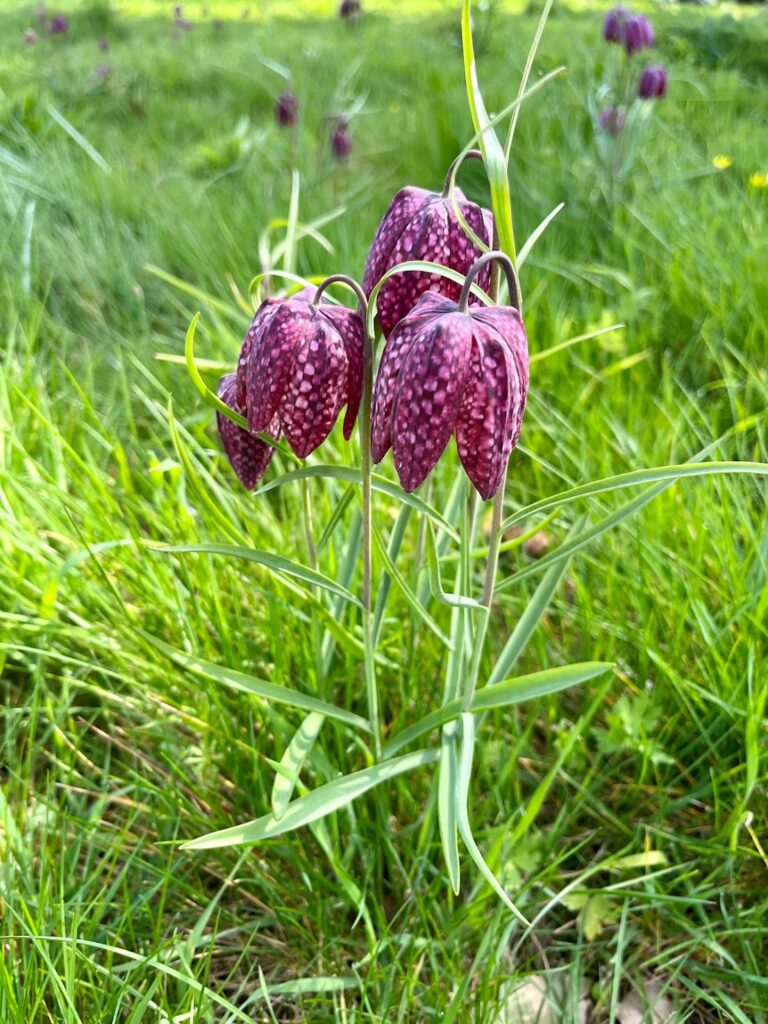
Haven’t got any snake photos, but the pattern on these fritilleries is awesome too

It takes barely a second to say, “Interesting. Thanks for sharing.”  

After all, the English curriculum assesses students on their ability to make connections. Follow literary clues from an extract to deduce the writer’s motivations. Compare how poems show similar themes in different ways. How hard is it to connect the snake, a potentially deadly predator, with formidable but impressive landscapes?

Some connections will be firmer than others. We all make far-fetched ones sometimes, in our natural human tendency to see grand designs behind the events of our lives, hoping to place ourselves in the centre. But the ability to draw these links sets us apart as a species.

When It All Comes Together

One thing I love about writing is teasing out the connections. My first published story took place in Haiti after the 2010 earthquake. In my research I learned the Creole word for earthquake shared its root with the mudpies eaten by the most impoverished people: , like terre, for earth. 

This term linked vast struggles of poverty and disaster with resourcefulness and survival too, and chained them up into a more manageable bundle. But it wouldn’t have worked if I hadn’t looked into the native language, and if I hadn’t already felt a connection to the country, following stories about mudpies and Cite Soleil and the Creole language long before.

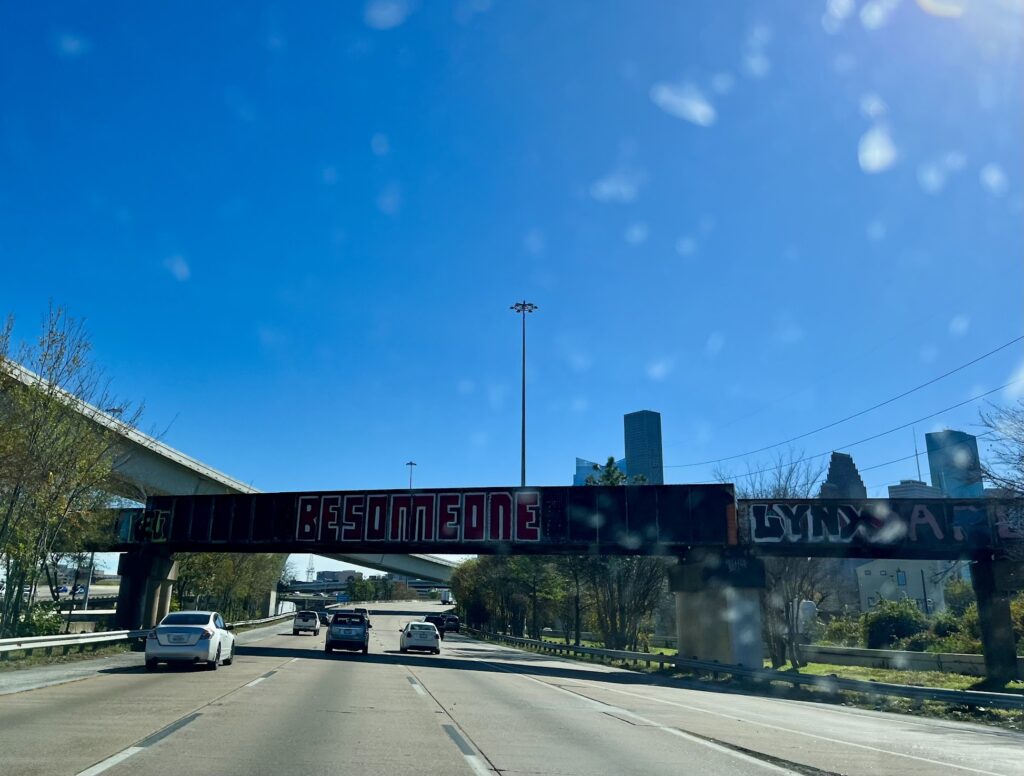
Keeping the sides connected: Houston’s famous Be Someone bridge

Sometimes my threads linking a character’s motivation to their actions aren’t strong enough. Or maybe they’re too coarse and unsophisticatedly blatant. Honing those connections is vital, and enhanced by cultivating connections in our everyday lives–by taking those moments to invite other people to share. Even if they just tell us they got to hold a snake that one time.

My latest story is on the wonderful Funny Pearls website. It takes the perspective of a girl with autism as she considers what connections to make, and how to do so. From building a bridge with Knex to practising facial expressions in the mirror and developing a felicity with the subtle burn, read how Sylvie makes links in “The Late, Great Jimmy Stewart’s Video Guide to Emotions.”

As with any force of nature (or predatory reptile), connecting with others and recognising our many links to the world can be quite frightening. It may mess with our pre-established plans to consider someone else’s challenges and let them in, but the consequences can be pretty awe-inspiring all around, too.

How do you build connections in your work and in your life? And does it sometimes scare you?

Seven Wanders of 2023

Hiking around and seeing new places inspire me as much as reading other writers’ work. I don’t necessarily end up writing new stories about the places I see, but glimpses of the spectacular keep some spark alive inside me when the rest of life seems a great stack of to-do lists.

Feeling like an adventurer in the real world can’t hurt our creative life, right? Here are some of my favourite explorations, why they ignited my imagination, and a smattering of my photos.

See also previous years’ top wanders: 2019, 2020, 2021, and 2022.

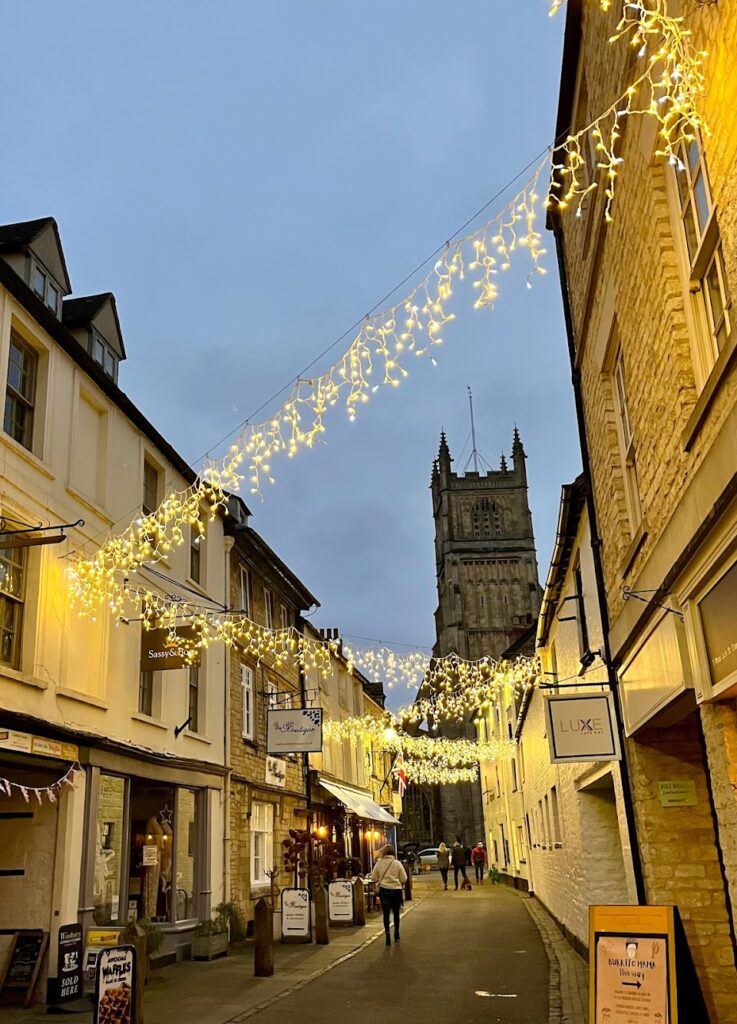
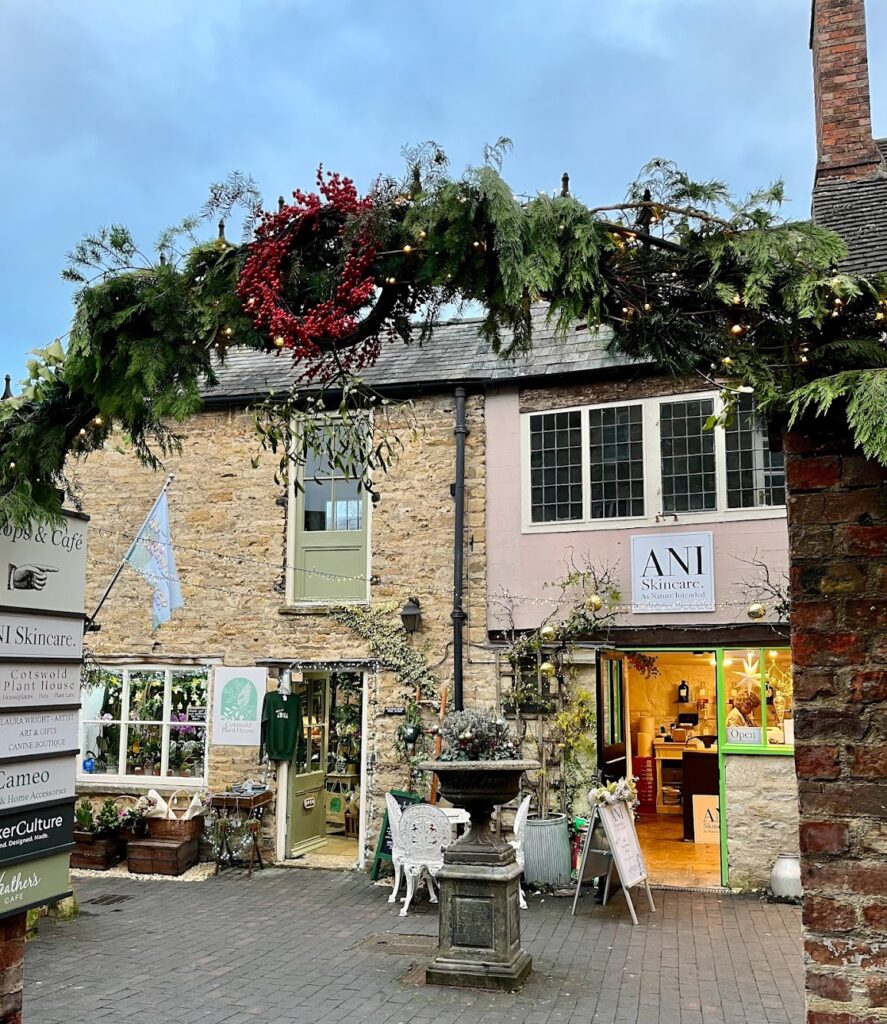
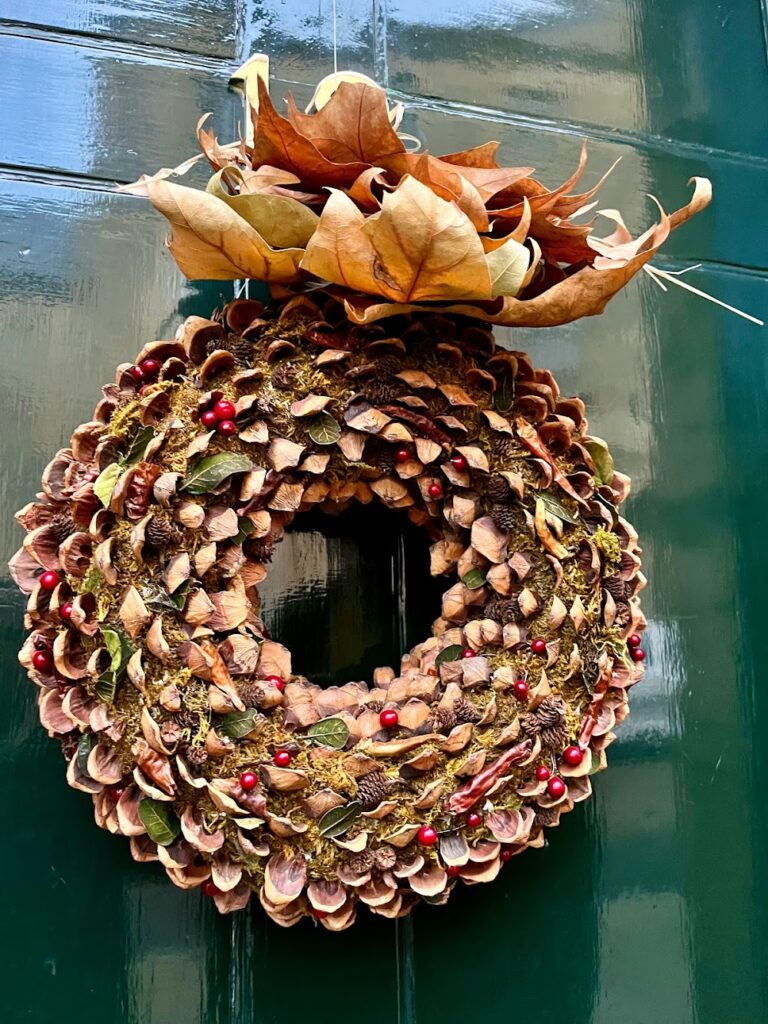
Festive Cirencester, Cotswolds UK 

We gave ourselves a couple hours’ break between getting COVID in December and finishing work and sorting out Christmas and travel preparations. Cirencester is fairly local and its alleys and Cotswolds stone lend themselves well to the festive season. 

A wander, the purchase of a jungly fern from a back alley shop overflowing with plants, and cups of hot chocolate at a specialty chocolatier renewed the season’s sparkle.

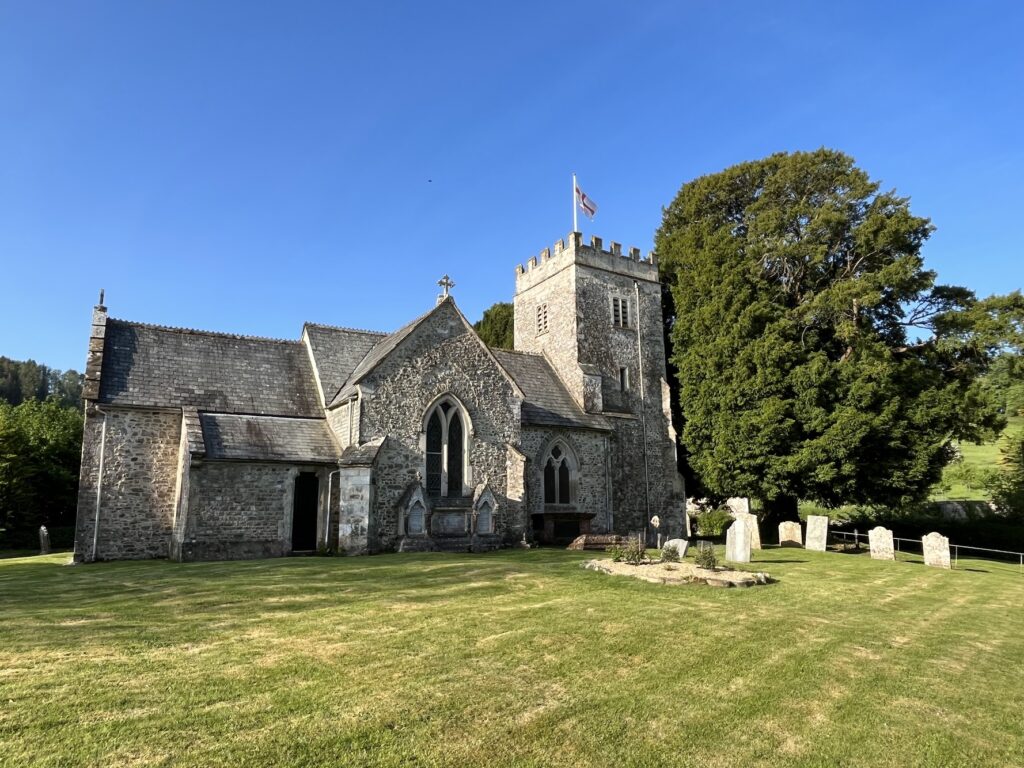
Widworthy Barton, South Devon UK

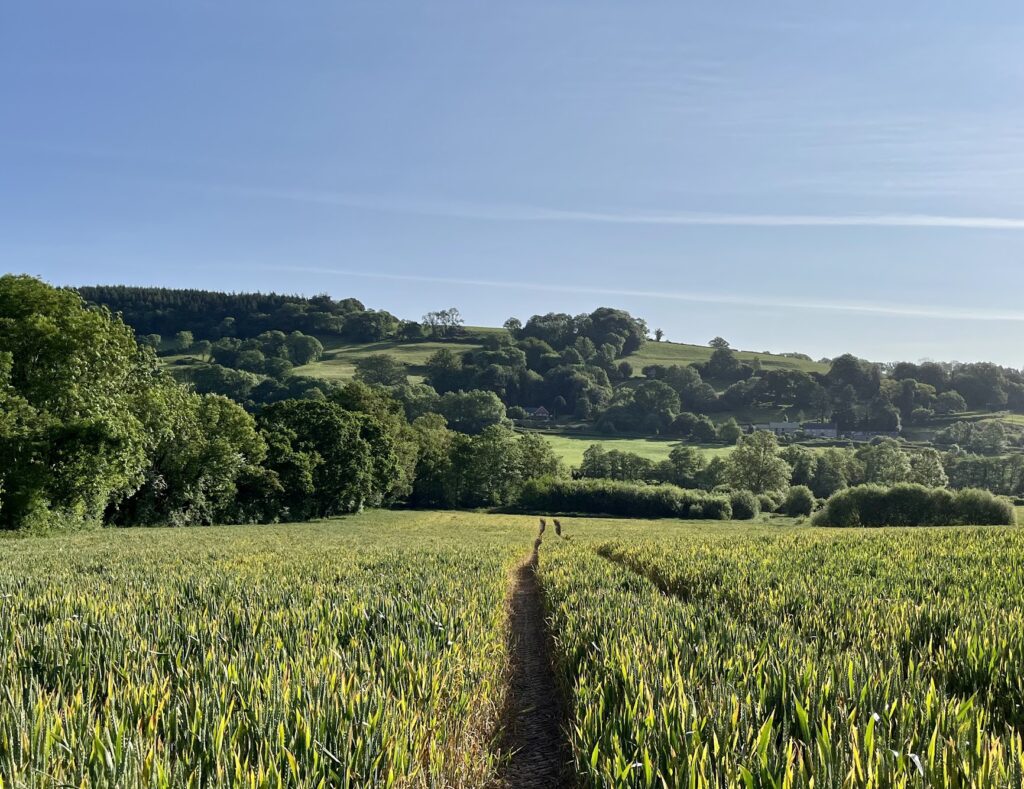
While staying near the Jurassic Coast in Southern England, I went out for exercise and discovered a fascinating little story as well. Uphill from the thatched farmhouse we’d rented, I came across an even smaller hamlet and a square-towered stone church with its graveyard. 

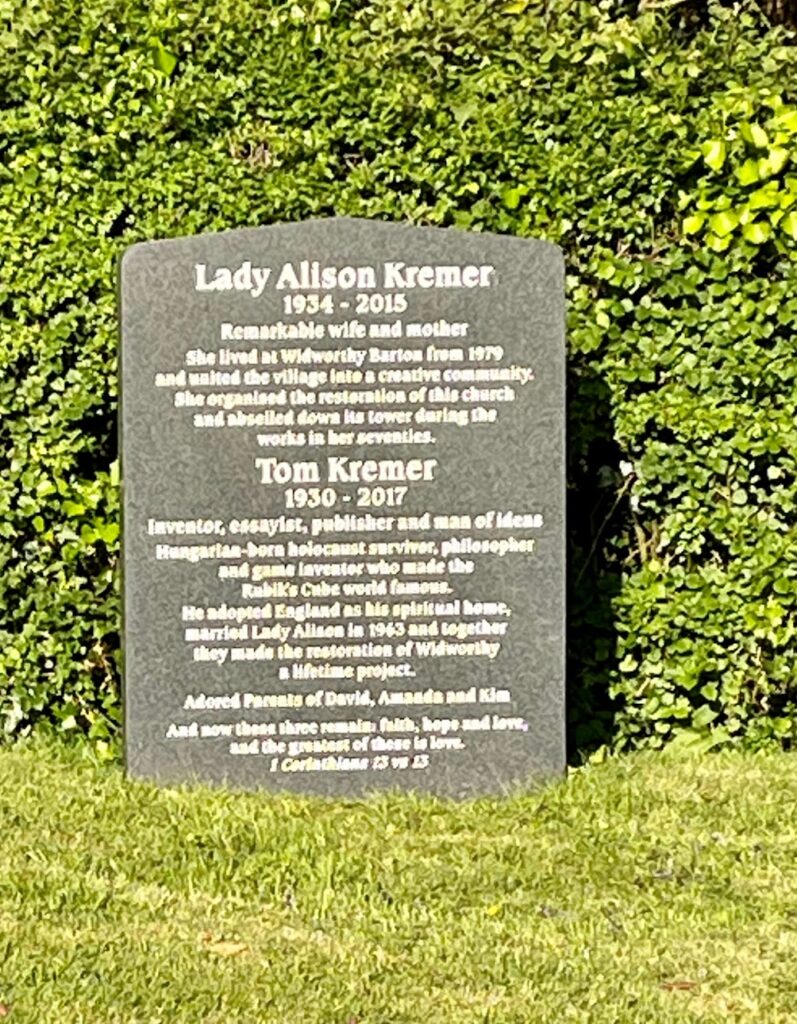
A lustrous black gravestone memorialised the village’s matriarch and her husband. He was a holocaust survivor and popularised the Rubik’s cube, and she bought the local manor house and revitalised the community, abseiling down the church tower in her 70s to raise money for roof repairs.

Dovedale Stepping Stones, Peak District UK

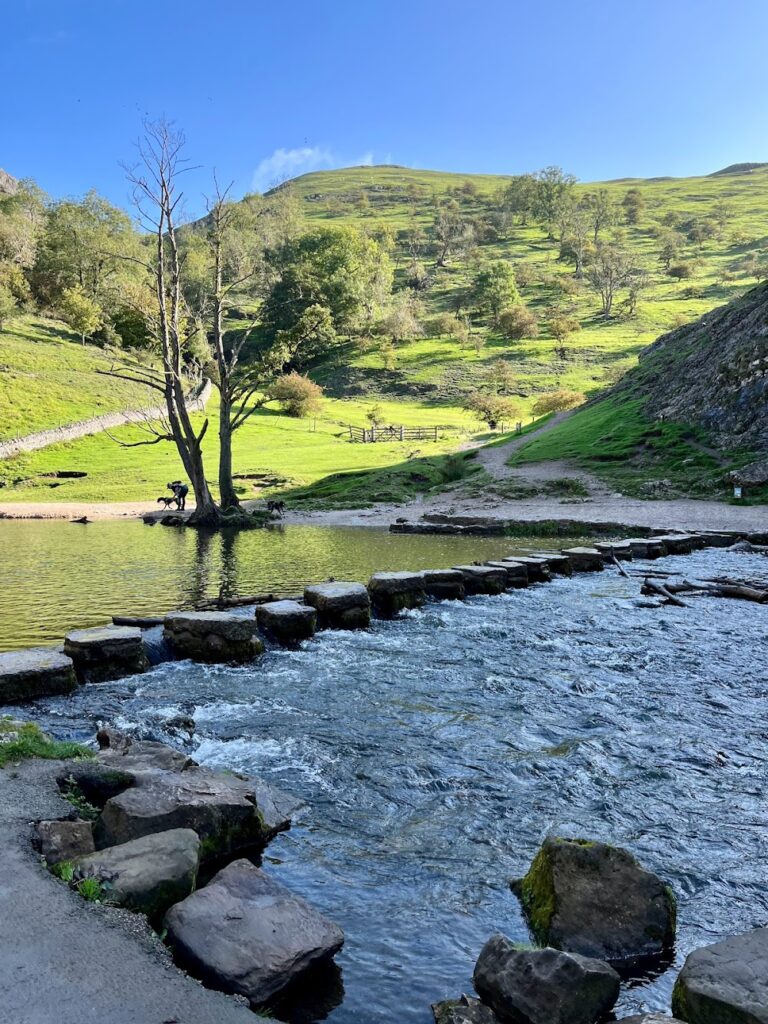
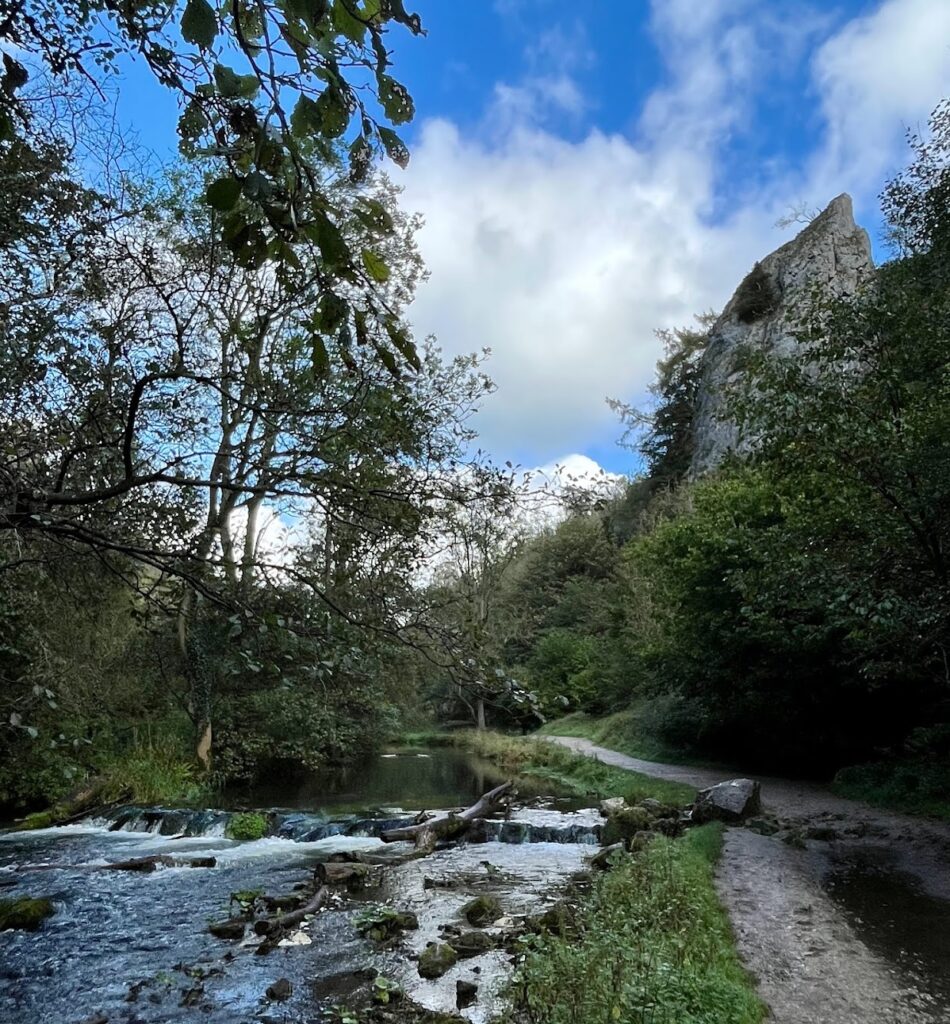
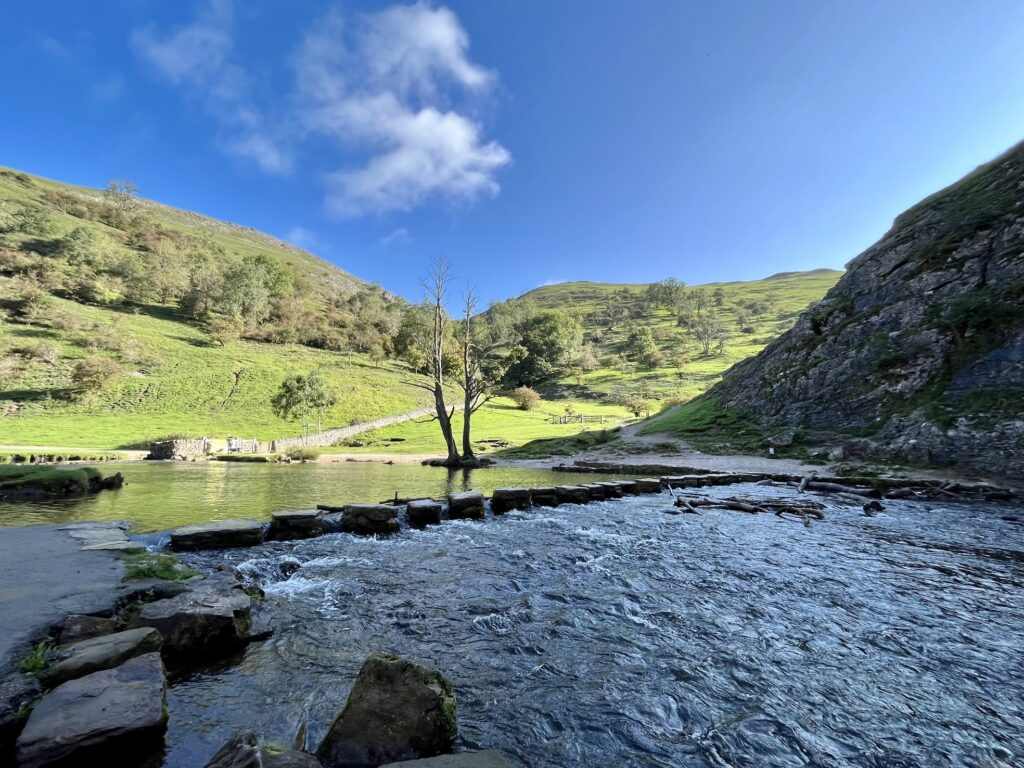
In late September we had a rather cold, frequently wet camping trip and finally explored a Peak District destination I’d wanted to see for some time. We were lucky to have a sunny morning at the Stepping Stones, casting a sharp, bright contrast between peaks. 

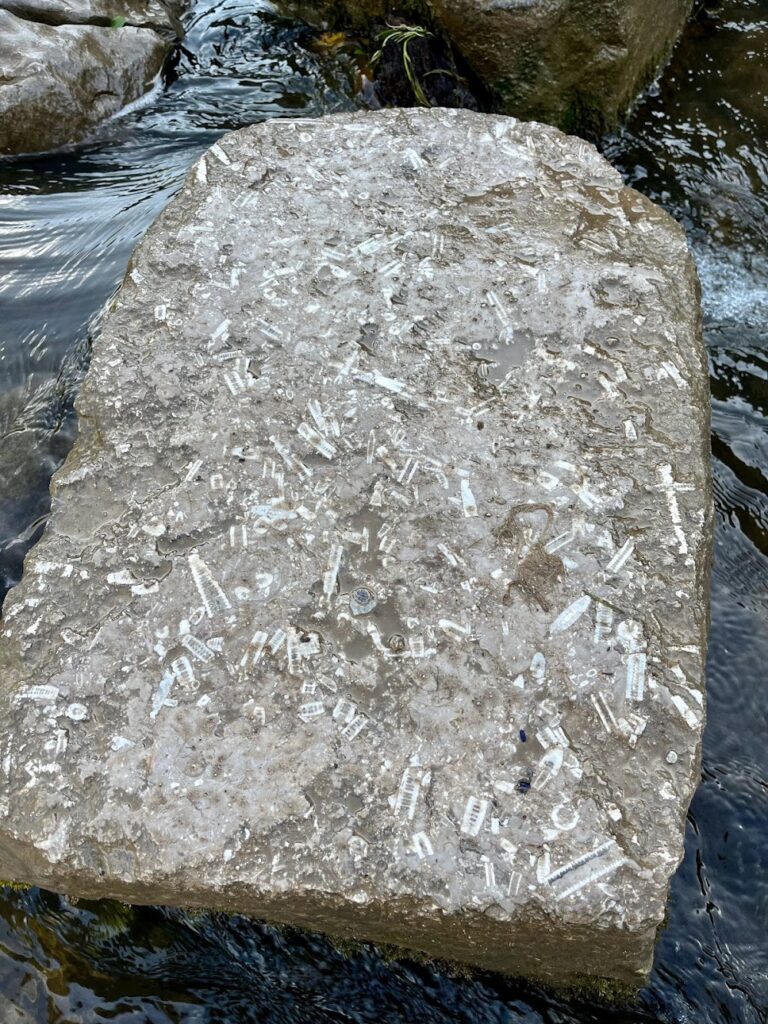
The stones are set firm and flat in the river like molars, and after crossing, we followed the path under trees and past sparkling reflections. There was a good climb up smooth-worn stone steps laid by Italian prisoners of war during WWII, and then a further walk along the river with pale bluffs on our other side, rising up like mighty ship hulls with dark bird barnacles. We later did a longer, more rugged walk to reach the Chee Dale Stepping Stones–those are quite scenic, too.

Newfound Lake, New Hampshire USA

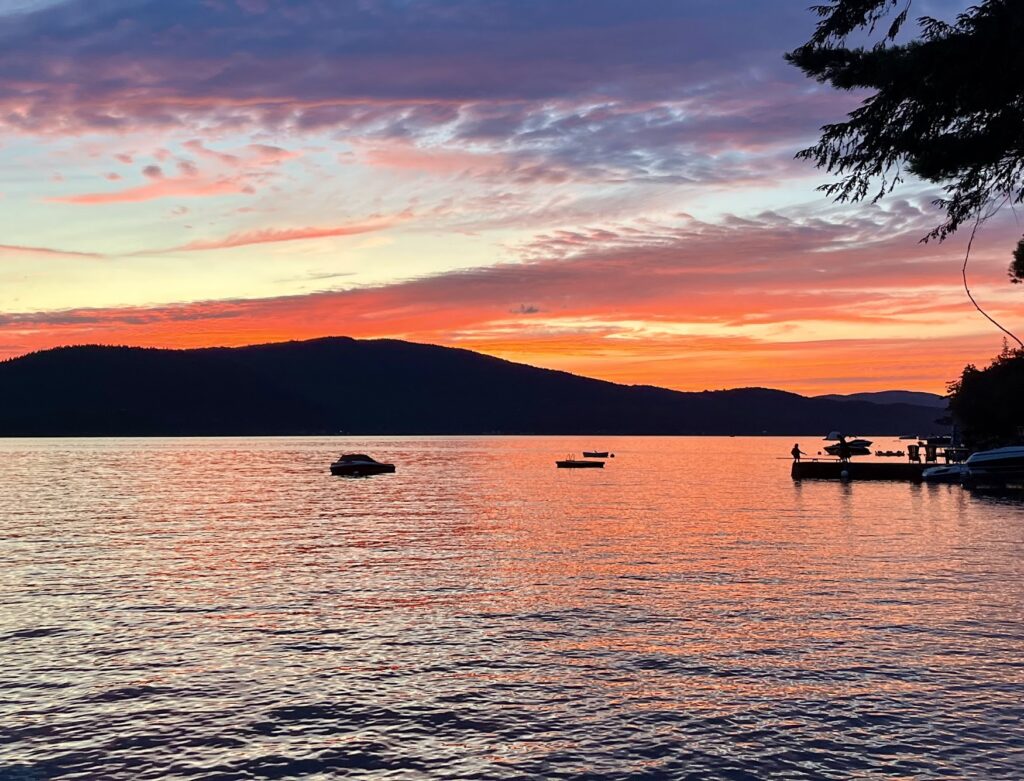
For me, summer is most blissful at a New England lake. This summer we had a few days with the entire family at Newfound Lake. It’s the third biggest lake in the state and the deepest, reaching 183 feet deep. It’s thought to be one of the cleanest in the world, and the sunsets over low-slung mountains off in a corner were spectacular, the reflections pristine.

We had the trilling cry of the loons at night and that cool lake smell in the mornings. Woods of oak and pine separated the holiday houses, but we got a glimpse when we were out on our kayaks. One house even had its own massive inflatable waterslide tower out in the water, with “No trespassing” painted all over its base.

Portobello Road and Notting Hill, London

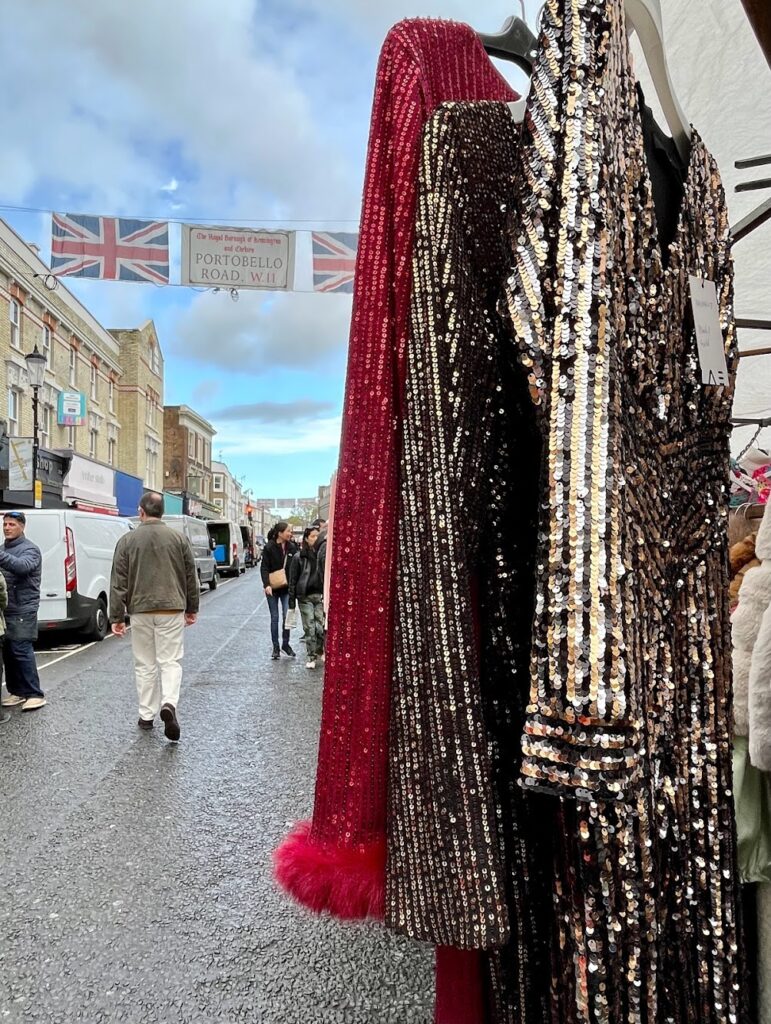
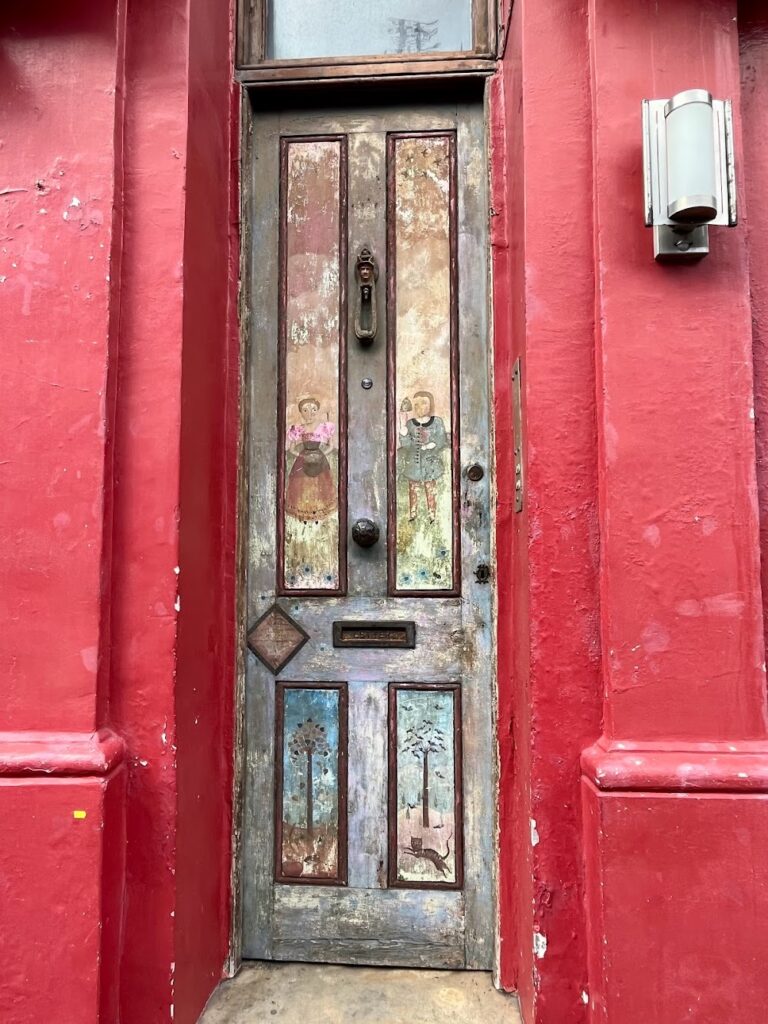
I don’t know if it’s hard for places like this to keep living up to their reputation. Do the streets made famous in Disney songs and late 90s films want a break sometimes, want to drop the facade? Well, we took a good walk along here and enjoyed the mix of shabby and cheesy and pushing the boundaries.

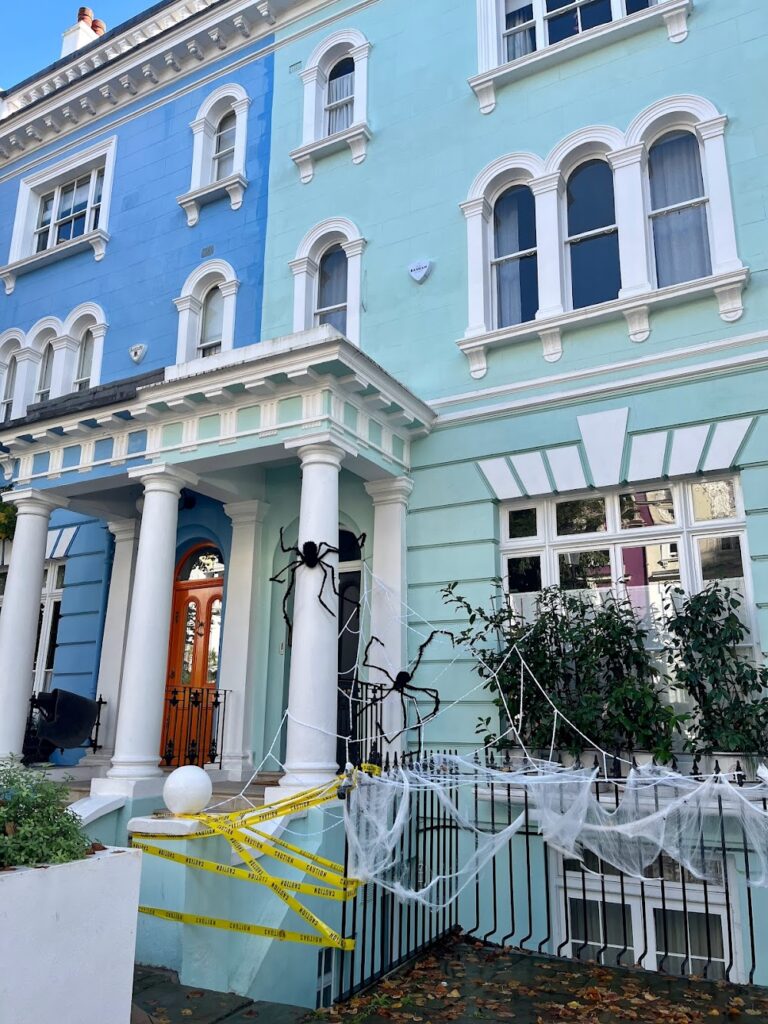
We perused stalls and shops selling everything from wool berets to sequined jackets, to prints made from photos of your iris, to last minute pumpkins for Halloween the next day, and we had lunch at a place called Egg Slut–absolutely delicious. Then we did a further loop through the posh neighbourhoods of Notting Hill, with big, pastel townhouses dripping with gauze webs and jack o’lanterns for the holiday. Imagine trick or treating here!

Brecon Beacons Four Waterfalls Walk, Wales UK

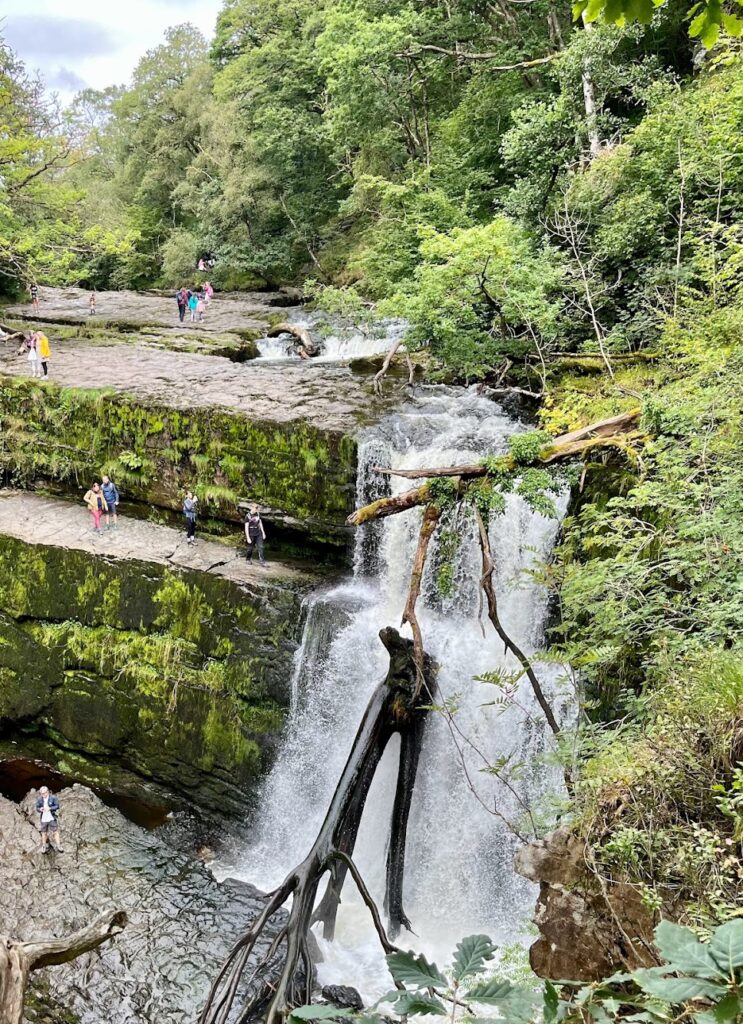
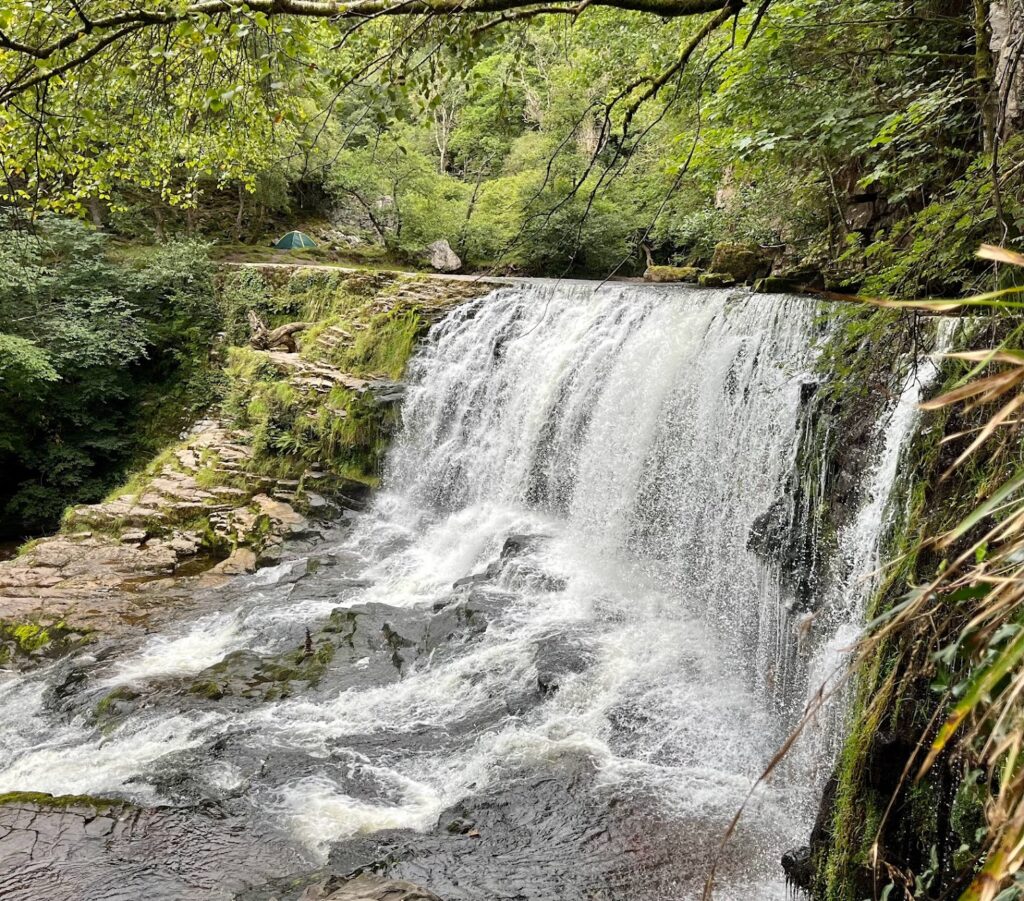
Another hike I’d been sizing up for a few years, this too proved well worth it. It was cloudy, but the falls are still quite spectacular. I guess we can thank the rather wet year for that. 

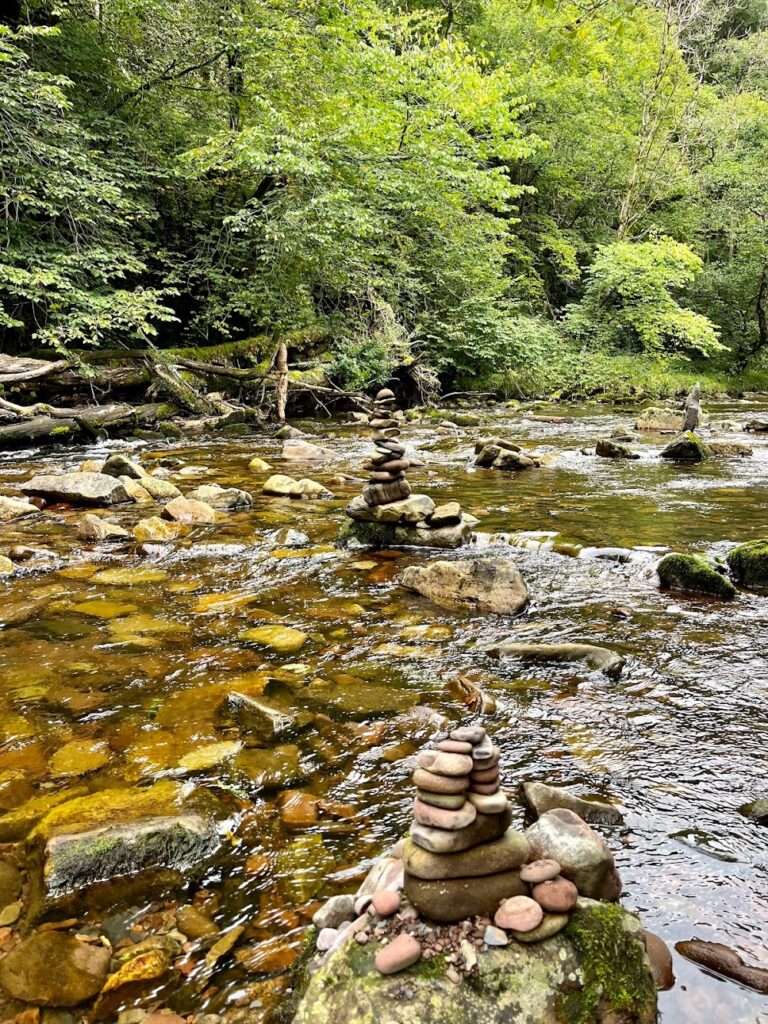
Because it’s quite a popular destination, we couldn’t always get close to the cascades, or behind them. Still, I love seeing how torrents slice through rock, and all the greenery that scales the damp cliff face around and behind the water. One waterfall had dozens if not hundreds of little rock cairns built in the stream below. 

To save backtracking the long, muddy, crowded access path at the last fall, we found a vague trail up the bank and did some rugged scaling. This earned us extra waterfall views from the top and made us feel quite intrepid. 

City Park, New Orleans Museum of Art Sculpture Garden, Esplanade Avenue, and St Louis Cemetery #3–Louisiana, USA

Did something completely different over the Christmas holidays and visited America’s deep South . We met up with our kiddo in Houston, then my husband and I roadtripped along the Gulf of Mexico and the bayou, and spent New Year’s in New Orleans.

Staying in the French Quarter, we had the experience you might hope for: strolling out for morning beignets under wrought-iron balconies trailing ferns, pausing to hear jazz bands in the street. Later, we stopped at City Park, a massive public space half again as big as NYC’s Central Park.

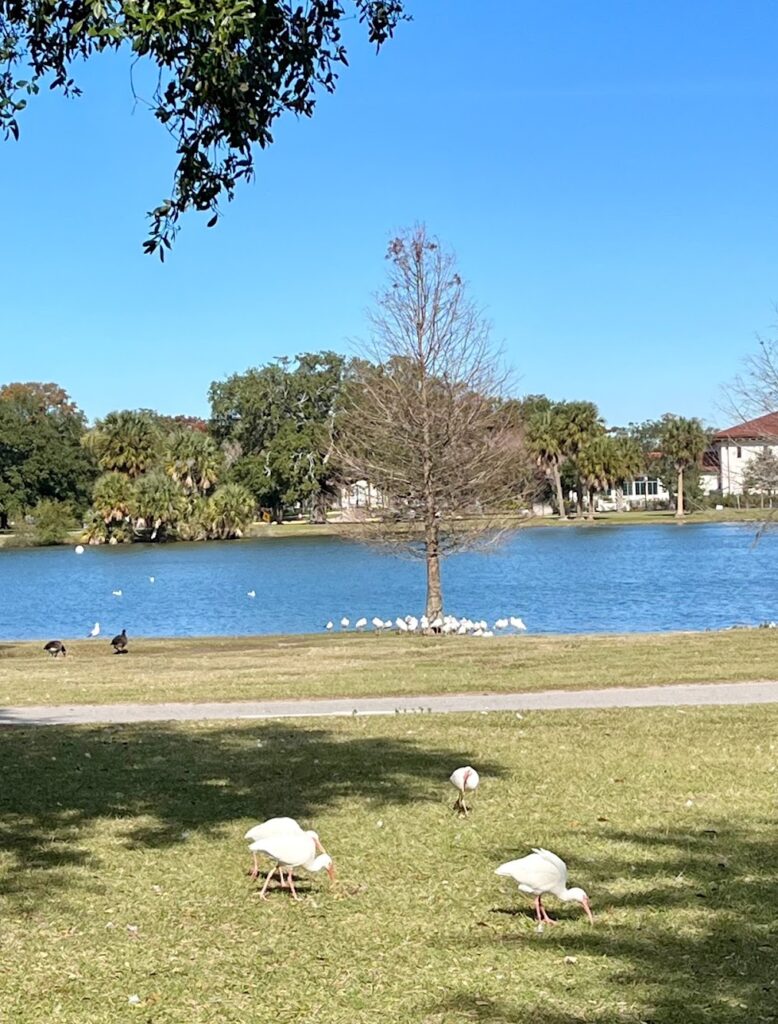
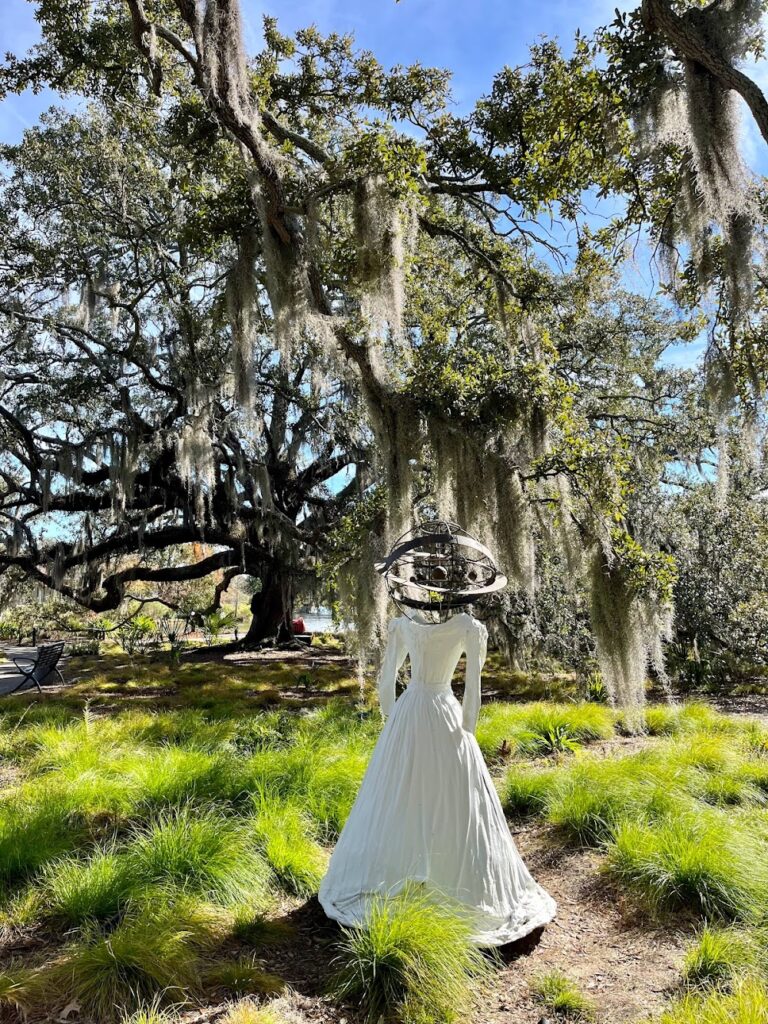
We were greeted by long-beaked ibises when we got out of the hired car, and we ambled through the Besthoff Sculpture Garden beneath live oaks dangling Spanish moss and resurrection ferns (ferns that go grey and curl, allowing themselves to survive losing over 70% of their moisture in dry spells). The statues combined cultural elements of the city’s past: a Rodin, a ghostly dress with a solar system model for a head, a conquistador helmet turned to a snail with a little boy riding its back, a glorious African woman, her garment a series of impeccably formed coils.

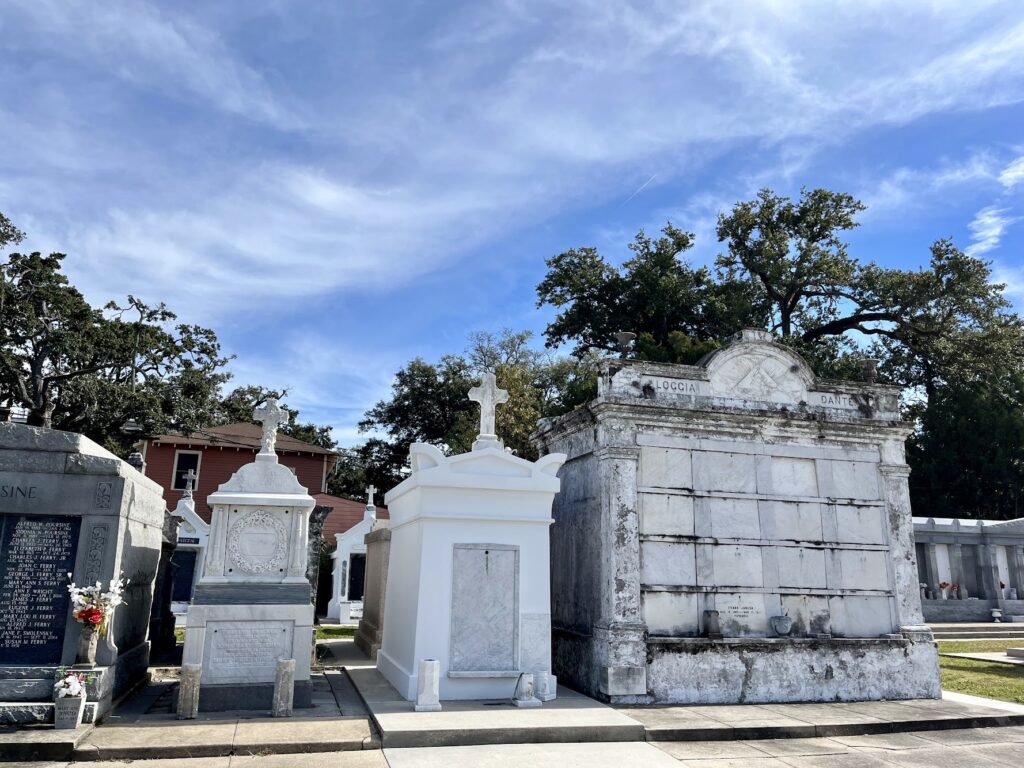
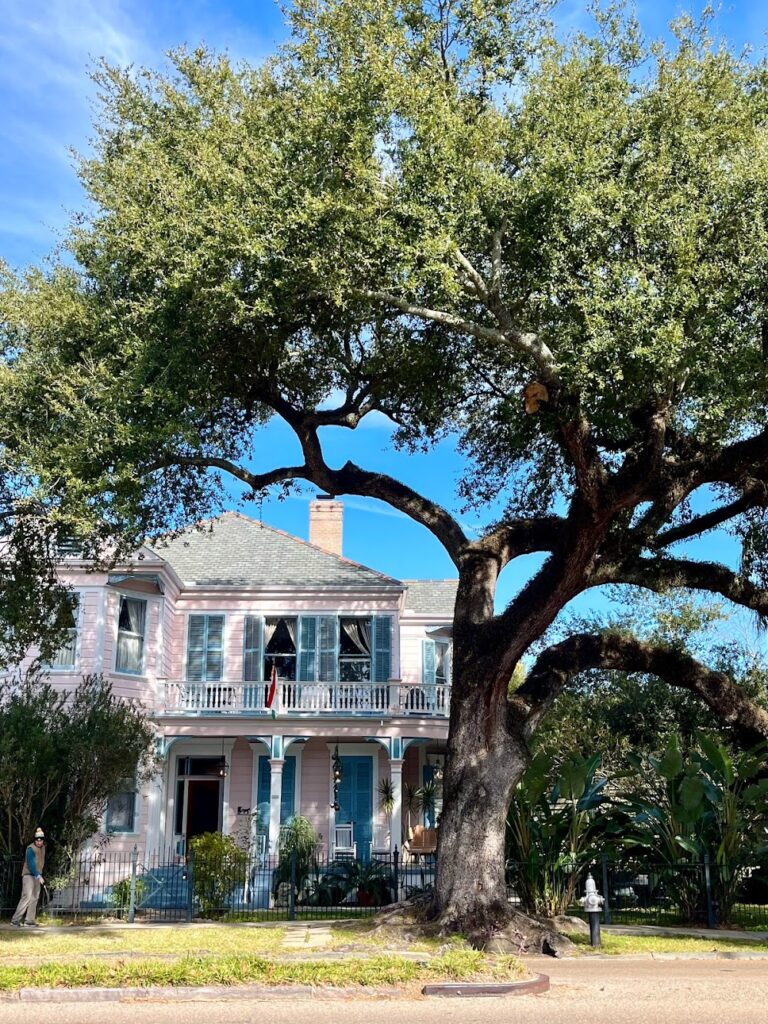
From there we walked down Esplanade Avenue, with pretty pillared houses and more live oaks, the trees so mighty they were busting up sidewalks and weighing down overhead electric cables. We came back through one of New Orleans’s famous cemeteries, with aboveground vaults since you can’t dig graves below sea level. Some vaults have lots of cupboards in them for family remains, and one had a small ornate frame fixed to it with a photo of the occupants behind a convex lens, like a locket, so you could see the faces of the African-American couple who passed away in the 1980s. It seemed a privilege to actually see what they looked like, and I wish that idea might catch on.

What were your favourite visits and meanders this year? How did you keep your spark alight?

Checking the Story

This Week’s Bit of String: Sudden appearances

During a research project on Brazil, my Year 11 student enjoyed quizzing me with each fact he found. We learned it can rain up to 394 inches per year in the Amazon, and that the rainforest covers twice the size of India. He also took a few side quests with Google: the deepest hole in the earth, the biggest airplane.

Then he asked, “You know that Boeing 747 that disappeared?”

“Um… which one? Do you know what year it was, where the flight was from?”

“I don’t know. But they’ve just found it; look! Here’s the plane.”

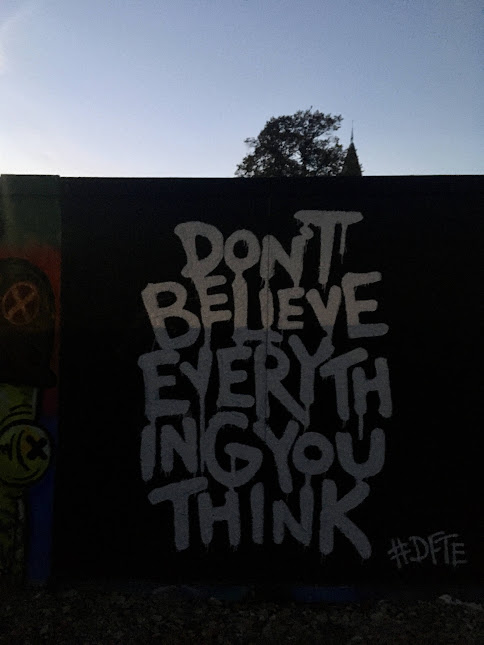
Don’t believe everything you think–street art in Cheltenham

He angled his laptop screen to me. He’d put “Boeing 747 disappeared” into Google and then gone to the images tab. For all I knew, every picture was of a different plane and completely different circumstances and who could say from each photo whether that plane ever had, in fact, disappeared.

I follow political news avidly (it’s a not-particularly-healthy habit of mine) so I hear and worry about the spread of misinformation influencing elections, and about voters being in their own, social media-cultivated bubbles. But what I witnessed here drove it home in an entirely new way.

Suddenly it hit me, anyone can Google, for example, “Joe Biden senile” and the algorithms will present them with exactly what they want to see. And thus the course of human history could be affected.

Refining Terms

When we factor in the literacy struggles which some people have–why search for information to read when a picture will do? The problem is, a picture could depict anything and be from anyone. Someone could Google “Israel terrorists” and I hate to imagine what photos would come up. 

The intent can be ambiguous, too. “Israel terrorists” could mean terror acts against Israeli persons, or terrorist acts committed by them… And viewers of Google images might get both but assume all confirm their viewpoint. Sites label photos with whatever fits their agenda. 

Intent matters… Online algorithms are desperately trying to work out what we want to see, and it’s on us to return the favour by investigating the motives of people who post and share content.

Writers are infamous for spending our time on side research. Sometimes, it’s easier to check what wallpaper would be accurate for a time period than to actually write some plot. I generally don’t have much time to spare, so I keep my search terms precise. This is useful in following current events as well.

Just Asking Questions

Along with honing our queries to ensure we get the right information and checking the reliability of our sources, it’s crucial to interrogate our own motivations. I think we have an instinct to villainise certain people and idolise others. Once we’ve selected someone for those roles, we exclusively seek evidence supporting our decision.

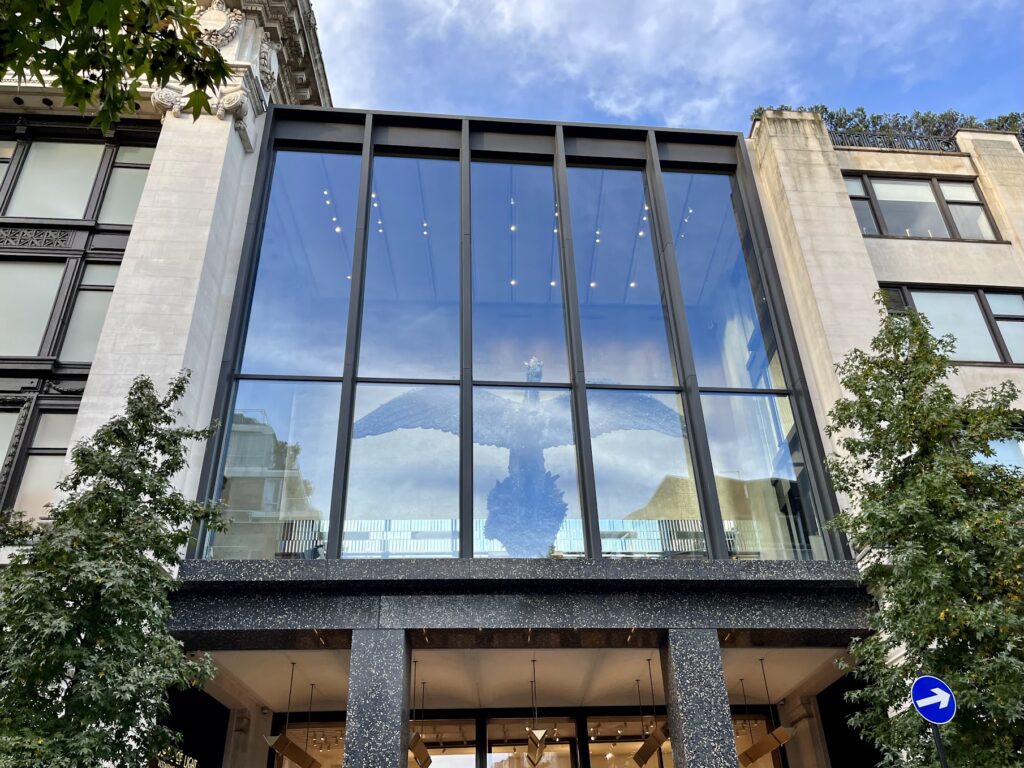
An image is only a confined window from a greater story. Selfridges, London

Last week I had to resolve an altercation between a Year 13 student and a teacher. She calls him Scary Man and she and laughs about it with her friends to cover her fear about his shoutiness, and how it made her cry in one of his lessons.

When I talked to the teacher about her difficulties, he was spectacularly morose. “I don’t want to make children cry,” he kept saying. He knows they call him Scary Man. He tries to be gentle, and when they don’t appreciate this he snaps. They’re each as insecure as each other.

“It’s exciting to rally with our friends against a villain,” I said to my student in our discussion later. “But an inanimate one would be preferable.”

Goodness knows I’ve been guilty of the same thing, not least when I was her age; I signed someone’s yearbook thanking them for hating one of the same girls I did. Not very graceful or empathetic of me, but that too would have come from insecurity and from wanting to form a particular connection.

Humans tend to construct narratives. We like to see an arc of justice, and it’s reassuring when good guys and bad guys are clearly delineated. We love being right so much, we’re perversely happy to sniff out confirmation of our most bitter suspicions. 

Real life doesn’t often fit into these binaries and these smooth tracks, though. If things are lining up too well with what we expect and what we want, it may be worth looking deeper into the story, and looking behind the scenes of the presented picture. 

Pivotally, let’s try to keep sight of what underlying insecurities motivate those who seem like villains. We wouldn’t write a completely un-nuanced character without backstory, would we? We can’t assume real humans are without them.

Enjoy It

This Week’s Bit of String: Underrated qualifications

I’ve been helping one of our special needs students with her personal statement for university. She wants to study Photography and after writing about what she’s already achieved in the field and what specific techniques she wants to learn, she concluded with something like this: “I want to study Photography because it’s something that makes my life more enjoyable.”

This is not a conventional admission in an essay. I feel like we’re encouraged to sell our skills and our work ethic when applying for positions. We’re not supposed to bring up what, well, pleases us. Is it related to some old puritan idea that pleasure is bad? Is it a byproduct of our busy culture: our value increases as the work gets harder and less enjoyable?

Without enjoyment, we could get dragged under. Why is it so hard to admit?

It’s a bit backwards, though. In education, we’ll have an easier ride if a student actually likes our subject. Surely it would be nice for employers and for universities to hear that new recruits might enjoy what they’re expected to do.

Resilience

Maybe there’s the fear that if someone chooses a path because they like it, they’ll quit when the going is rough. But a passion is deeper than an interest, and that’s why we keep going in creative endeavours. 

In our writing, we can’t cope with hard work, administrative tasks, and the inevitable rejection, unless we enjoy aspects of it. Just as it’s important to remember what we like about writing and why, it’s essential to then allow ourselves to enjoy writing.

I get caught up in the busy-boasting of social media sometimes, which results in me thinking of writing more as a quite mentally demanding second job. After all, we can’t just shut off the stories. I’m constantly tinkering with things in my head. And when I get to school on Monday morning for another week of supporting very needy students, I feel as if those 2 critiques passed to fellow writers and the 3 novel chapters edited over the weekend have sapped a substantial portion of my energy.

Sometimes I find my thoughts echoing my husband after a recent trip to London. 3 days, 2 nights, at least 30 miles walked… “What a stupid thing to do,” he said afterwards, half-joking (I think…) “Let’s never do that again!”

The Trappings

I liked it though. Exploring half the city, seeing new people and buildings and discovering unexpected remnants of history… It’s the same with writing. I get tired, but when my brain is jogging ahead toward a new destination (or painstakingly polishing the path to an old one, as when I’m editing), I don’t want to miss out. 

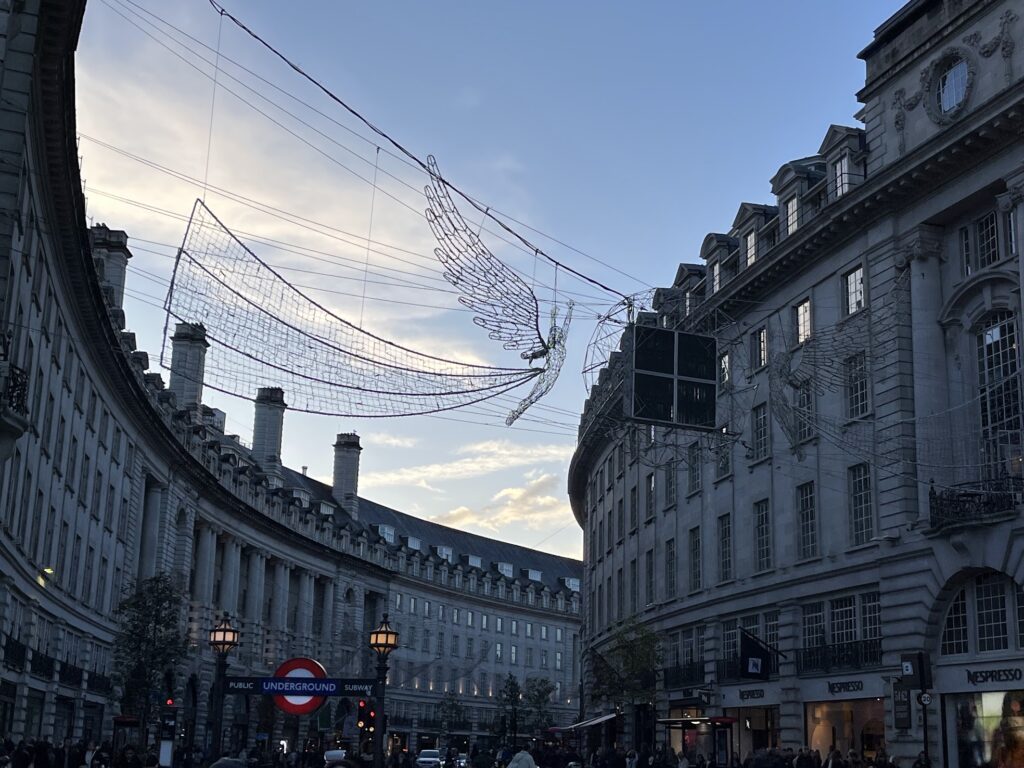
Picadilly Circus, a photo I took while tromping around London and I’m quite proud of it, actually.

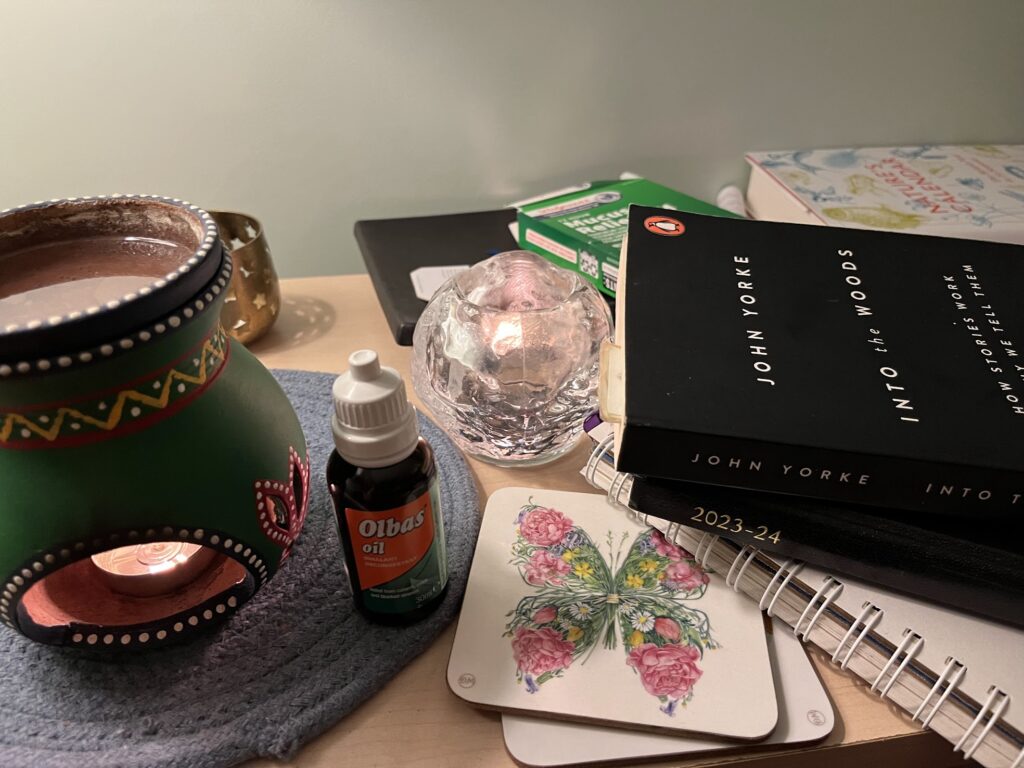
Our identities are wrapped up in writing. Part of it is that addiction to finding out where it takes us. Another part is having fun with what accompanies it. If you can score a quiet house for even just an hour, with a hot drink and some pleasantly burning candles and encouraging tunes playing, then curling up to scribble ruthless notes on your own manuscript doesn’t feel so brutal, or laborious. 

I wonder if a few of us, myself included, would rather tell people we write in a cold garret subsisting on just bread crusts and gruel than confess to cranking some tunes and munching chocolate while we go. Maybe we should normalise admitting that something we devote time to is actually rather nice.

Imagine daring to pitch a writing project with: “I loved writing this story almost as much as I love reading it, and other people will too.” How amazing to get away with that! Wouldn’t it be great if, just now and then, liking something was an acceptable reason to go and do it?

Fever

This Week’s Bit of String: Overheated eyeballs

I have this bad habit of getting coughs. These aren’t misguidedly romantic chest coughs that might have made it into an epic nineteenth century novel or opera, just ugly, scraping hacks. My throat spasms into wretched fits. It carries on for weeks, my ribs get bruised, it’s exhausting.

Often, I’ll briefly get a high temperature with it. The kind of fever that crawls up behind your eyeballs and tenderises your skull. It’s not great for productivity, but does inspire vivid descriptions, if I do say so myself.

It may be a sign that I’ve been doing too much. I feel I should be able to Do All The Things. After all, I eat plenty of fruits and veggies, and get up early for exercise and fresh air. However, I seem to get sick when I’ve been completing a big writing project while also, as always, working full-time and taking care of my family. It’s as if that extra creative endeavour pushes me over the edge.

Hiking during our camping weekend–totally worth it.

At the moment, I’ve just missed a couple days of work for flu-like symptoms, probably a back-to-school virus, so now I’m trying my best to be quiet and not start coughing. This followed a weekend camping trip to the Peaks and copious reading about story structure, plus overtime planning resources for small group interventions at work, doing critiques for other writers, trying to finish a short story and while I haven’t quite begun the next rewrite of my novel, I’m thinking REALLY hard about it, ok?

Health Warning

Can writing affect our health? Is it one thing too much? I definitely am less grouchy when I’ve been able to write, preferably in a quiet setting, unlikely though that last bit is. I think it helps my mental health—but maybe it’s just that I place high standards on myself and I feel better for Getting Things Done, whatever the things may be.

Writing is a passion—and the root of that word is bound up with suffering. It is ‘that which must be endured.’ Hard, necessary work. It is absolutely fun and exciting, too! But it takes a lot of effort and relentless, toiling THOUGHT to make it good. So yes, it probably does impact our health.

I always felt guilty missing work if I picked up a bug while traveling, or if I’d run myself down finishing a novel. Was it wrong of me to let my personal interests impede my contracted employment? I worried I was behaving as selfishly as I perceived people who always called in sick on Mondays because they were still hungover. I’m still not convinced I’m being completely fair to co-workers or to my family in how I expend my energies.

But there are other fevers that make our brains itch. Characters that pummel our skulls from within and ideas that sputter up from deep inside us. We’ve got to write.

Incandescence

Sometimes, I do great work when I’m sick. I wrote a play during an extended bout of flu. It was about a team monitoring a whole city’s worth of subconsciouses, spying on people’s dreams to solve crimes.

I call this one: Still life of a working writer mid-term

Weird, I know. But kinda cool? Anyway, it did get through a competition and we performed it. Someday I might develop it further than a single act, and make a series of it or something.

In the same way that extreme weather or stress sears certain things into our memories and forms indelible creative impressions, health events can crystallise ideas.

From the tuberculosis that ravaged the Bronte family to Stephen King’s childhood ear infections which he writes about in his memoir On Writing, it does seem as if cycles of illness and health sharpen our imaginations. Have you ever found this?

While I was sick this week, my brain came to a screeching halt over work things like differentiating Science vocabulary on independent or dependent variables. But it did present me with a striking novel-related sequence, like a dream Eve or Cain might have. It unfolded before me as I trudged to work (and didn’t stay long). My elevated temperature practically distilled my story’s essence better than my healthy brain could.

What links do you see between your health and your creativity?

Pest Control

This Week’s Bit of String: A pestilence of Shoulds

Do you ever imagine your abstract stresses as actual creatures? I find it makes them more grapple-able.

Lately, the word should is plaguing me. If it came to life, I think it would be a multi-legged trudger, low to the ground with clinging claws. It would blast out barks: Should! Should! and be a right pest.

My mind gets infested by Shoulds, particularly in the summer. During term-time, there’s little question about what I have to do. There’s work, there’s squeezing in chores and writing deadlines and exercise and family commitments around that. But if I get time to myself, I’m overrun with quarrelling Shoulds. The guilt of leaving things undone becomes weightier, because what excuse do I have?

I’m no artist but… I’m thinking stout caterpillar body, claws of a sloth, and stubborn pug face.

You should be writing, a voice in my head says quite frequently. Editing my novel, inventing a whole new book, polishing and submitting short stories, putting effort into a Twitter presence—I should be working on all those things.

But there’s also the cluttered house, and my garden in a riotous bid for attention, and the thought that there’s no time like the present to get extra exercise and stretches in, should I be attempting some sort of social life, and actually, what if I caught up on sleep and reading; shouldn’t that benefit me in the school year?

If I created a word cloud based on my thoughts, the biggest word in it might be should—apart from family member’s names maybe, and definitely the cat and probably, embarrassingly, peanut butter (the latter accompanied by the phrase “should absolutely not eat anymore of it today…”)

‘Tis the Season

For most of my summer, I go to my family overseas. There are wonderful little vacations encased in this, but home time has a serious intensity to it so that I bristle if it’s called a holiday.

Up at sunrise during the summer to seize every moment

As an immigrant, my herd of Shoulds has extra directions to pull me in. And the limits of time give their claws an extra sharpness. It’s super important to me that I help out my parents and siblings and child while I can see them, but that we also make fun memories, and keep my husband entertained since it is, in fact, his vacation, and that I get moments to feast my senses on the mountains and lakes and rivers of home—all while keeping up with writing and exercise. So the Shoulds run rampant.

Without my teaching assistant job playing the alpha role among the Should herd, it’s hard to figure out which Should is in charge. Each seems quite as demanding as the others. Yes, I should dig into writing, but think how bad the weeds will be if I leave the garden any longer. And have I really recovered my strength enough for a new term—maybe I should spend an afternoon lying around reading.

The Long Game

The word should is rooted in debt and guilt. Any argument I come up with against one therefore sounds like an excuse to shirk. Which Shoulds can we allow ourselves to ignore?

Taking my pick.

I’ve tentatively decided one thing. I’m not ready for another deep edit of my Eve novel yet. I’m too frustrated now. I’d have her jumping up and down by the third paragraph shouting “Read me, fools!” like she’s Maleficent or something. I need time to think before the next edit and submission rounds. Maybe I’ll have mulled it enough by next weekend, maybe I’ll leave it for half-term or even next summer.

You know what I ended up spending lots of time on for the end of my break? Foraging. I turned myself into a scrappy little squirrel to combat my scruffy little Should flock. I walked the lanes for hours picking blackberries and elderberries, and cooked them together into jam. With its murky elder depths, I’m hoping it will ward off winter colds. Nothing leaves you helpless at the stubby, plodding feet of a Should herd the way illness does! So maybe I’ve played my priorities right. We’ll see.

What do you do when pestered by Shoulds?

Waiting for Applause

This Week’s Bit of String: Ghosts and earwax

Last Wednesday I went back to summer camp to do story-making activities with 5- to 11-year-olds. “Do we have to write?” some asked as they came in with oversized tie dye shirts and baseball caps.

“We’re just going to have fun.”

I always start them off silly, with Mad Libs, so we can create wacky stories. I brought outrageous hats borrowed from my sister: a plaid fedora full of nouns, a cowboy sheriff hat full of verbs, a blue-haired pointy witch hat with adjectives. Kids carry on with Mad Libs, or sketch their own versions of video or board games, or make comics around the stickers I have on offer—some just plaster anything and everything with stickers. In each group, a few want to work with me to write a story together.

So we end up with adventures about pig princes, and about a cowboy fighting a banana. With one group we based our protagonists on some very cool stickers from my other sister—a red panda in a turquoise tux and an alligator in polka dot shorts. The kids embellished these even further; the alligator has a ghost named Shawn riding on his back, and they find a haunted castle where a ghost king is having a trampoline party.

Hatfuls of ideas

While I wrote this out on a big scroll of rolling paper, I overheard a little boy to my right say to his neighbour, “I don’t want your earwax. Just keep your earwax.”

Right! Into the story with that line. The red panda and the alligator with Shawn offer their earwax as a birthday present to the ghost king but are rejected, because he wants a Pikachu instead.

Keeping It Fun

The small fellow who refused the earwax drew a red-curtained stage on his piece of paper, and wrote in the stage space: Once upon a time. The end. I am waiting for applause.

Then he came round to show it to us, his grin riddled with missing baby teeth. Considering how his story lacked plot, the applause demand was a surprise twist.

Not that I’m about to judge. I didn’t have a lot of time to prepare my workshops this year, once the busy school term was finally over. I ended up just pulling together the same resources and activities we did last year, and hoping these would still inspire.

I kind of got away with it because the kids remember what they like and I remember what works. I offered more specific suggestions to help get them started. Most people are unprepared to be told, “Sit down and write whatever you want.” Heck, even we writers struggle with that.

Hence the stickers, the Mad Libs, and the hats full of prompts. And why not celebrate the shortcuts, the tricks that make things slightly easier? Yes, even the fun things that aren’t proper stories. Let’s applaud ourselves for actually stopping to have fun and explore what we want to once in a while.

A Personal Pirate

In my final session, a tiny girl with a blond ponytail asked me to tape papers together so she had lots of pages. She used Disney princess stickers and drew a sad pirate on a ship in her book called The Love. The pirate gets to the princesses’ castle, and asks Sleeping Beauty if he can be her pirate.

“How do you spell yes?” the little girl asked. She put it in a speech balloon above the princess.

Who wouldn’t want their own pirate to go and fetch treasure? I believe actual royalty have had them before. This princess wasn’t pining for a prince; it was a pirate she wanted! It would be like having a personal shopper, but way cheaper.

Personally, if I had a pirate I’d send them to search here for stories.

When we’re writing, I think we have to remember not to hold out for princes. A single, heroic solution to our plot holes or character conundrums is probably not going to come charging to the rescue on a metaphorical white horse.

We have more need of pirates, I think. Writing requires a bit of plunder, at least sometimes to get us started or re-started. The nice thing about working with kids is that it reminds me of the basics. Keep things fun and don’t be ashamed of keeping them simple. There’s nothing wrong with raiding the classic tropes for inspiration, or even with being a bit shameless in our quest for positive feedback.

What have you learned in your writing journey this summer? Have you found pirate treasure, or that ever-elusive applause?

Capturing Castles

This Week’s Bit of String: A budding writer at the gate

Quite out of breath, I arrived to the gate of my connecting flight to see my family. The airline was, as ever, playing dicey with delays, and I’d almost resigned myself to being stuck in Dublin yet again. But I’d made it through the airport against the odds, and I waited for the imminent boarding a few chairs from a girl and her father.

The girl couldn’t have been more than ten years old. She wore a massive University Roma hoodie, and rainbow-splodged Crocs imitating a tie-dye effect. Giggling, she pointed out to her dad that across and along from us, four men in a row sat the exact same way, right leg crossed over left.

Airport inspiration in all varieties: this “Rocket Man” piano is at Birmingham Airport.

She was right, and justifiably giddy with pride at catching this detail. Then she picked up a magazine and started reading an article about the author Andy Weir, her mouth meticulously forming each word. I felt I was watching a junior author myself, someone who knew that to be one, she needed to take notice of her surroundings, and read up on other writers.

For me, the airport is great for people-watching and inspiration. I wrote down this anecdote immediately, sitting in the gate. Because I scribble every day, and I had many hours of travel to get through, I wasn’t pressuring myself to watch and record everything—just a few key observations.

Places for Writing

Apart from scribbling in my notebook, I spent a lot of time reading while in transit. I’d taken out Dodie Smith’s I Capture the Castle from the library at work, and enjoyed it tremendously. It opens with the young, hungrily observant narrator sitting with her feet in the kitchen sink, starting her diary by the last daylight.

Okay, this isn’t exactly an original suggestion, but I would love to sit journalling on the front porch.

She writes, “I have found that sitting in a place where you have never sat before can be inspiring.”

I love that line on page one. I want to try that this summer: going out of my way to sit in new places and crack open my notebook. Would anyone else like to join me? I may create a writing sampler at the end of the fleeting six weeks, featuring my favourite observations and inspirations.

Now I just need to find some unique places and move out of my comfort zone, which at the moment is the reclining end of my parents’ sofa, in front of a fan. It is challenging how in order to find inspiration, we first have to come up with an original way to put ourselves in its path.

Memories Versus Inspiration

As usual, I planned this post in my head during a morning walk. I was crossing a bridge just downriver from a ruined mill. I stopped and watched a tall grey heron standing perfectly still on a rock. There’s been a lot of rain here in New England, and this river is rushing but not too high.

I remembered that for 11th grade Biology, we were supposed to find a spot outside and visit it regularly throughout the year to record natural changes. I chose the river, coming to the foundation blocks of an old house that once sat high on the bank by the railroad tracks. I stowed a composition notebook and some sketching materials in a plastic bag between the blocks. I sat there and noted which trees changed colour first. But later in the year, severe storms swept my things away. Writing in new places can be quite an adventure.

Aforementioned heron. He did not wish to commune.

I considered climbing up and sticking my feet in the kitchen sink here, at the house my parents have lived in more than 30 years. Just thinking about it, memories spout like the tap’s turned on: stowing my kiddo under my arm after each meal, piloting them over to the sink and splashing off the baby food, then carrying them through to the breezeway to play with the wind chimes hanging there. “Bell” became one of their first words.

Or there’s the bathroom sink. The bathroom has a built-in storage unit, with a deep countertop separating us from the mirror, so we used to climb up on it to get a good look. And just because we could. My sister and I would be on and off the counter quite a bit while we brushed our teeth, until Dad got fed up of us thumping down from it and came in to show us how to set ourselves down lightly, “being dignified.” He climbed up himself and disembarked, making dramatically prissy faces for us all the while.

I’m taking care to include memories like this in my daily scribbles, since we can’t assume we’ll keep them forever. But I don’t want to get lost in them either. My New Writing Place Summer Challenge is about noticing the unexpected and finding new ideas. I don’t know if it will work, but I do intend to shake things up a little.

What writing locations can you try? Do you think it makes a difference?